6 Ways Eating Out Causes Overeating (And How To Stop It)

by | Apr 22, 2013

Photo by Sebastian Fritzon

Among my health conscious friends, we unanimously agree that eating out is the biggest barrier to weight loss.

San Francisco residents are fortunate that local, high-quality ingredients are the standard in almost every dining establishment (same is true for NYC, LA and other US foodie cities). We have gastropubs serving up grass-fed beef burgers, street carts offering sustainable fish tacos and small neighborhood spots dishing up heirloom vegetables and artisan ingredients.

I know, we’re spoiled rotten. But there’s a downside to all these wonderful options.

Ironically, the problem is that everything tastes amazing and is relatively healthy. Also, the menus tend to change regularly (often daily) depending on what is in season. So there’s no guarantee that you’ll ever be able to enjoy a particular dish more than once.

These things make it really easy to justify overeating.

There are many factors that cause us to overeat when we’re out. Here are the most common, and what to do about them.

6 Ways Eating Out Causes Overeating (And How To Stop It)

1. Huge portions

Problem: Even at the best SF restaurants, portions are still usually way too large for any one person (though few people realize this). Most of us could eat 75% of what we’re served and still have eaten more than we needed to be satisfied. That’s too much food even if you don’t fall victim to any of the pitfalls below.

Solutions:

  • Share. It feels unnatural at first, but you’ll quickly realize that even men can share most dishes and still get plenty of food. If you really want your own entree, chances are you don’t need anything else on the menu.
  • Stop. As one of my very slender friends recently explained to me, “People just need to get over the guilt of leaving food on their plate when they’re no longer hungry.” We are naturally wired to finish our plates, no matter how big. Training yourself to stop when full is the only way around this problem when you don’t control portion sizes. If you’re still riddled with guilt, make friends with the to-go box.

2. Multiple courses

Problem: Feel obligated to try everything? Variety may be the spice of life, but it’s also a great way to eat more than you should.

Solution: Order less. Ask your server how much food is appropriate for your party, and assume that’s at least 20% more than you need (i.e. drop a small plate). Make the tough decision and only order as much as you’re comfortable finishing. Otherwise, make sure you’ve mastered the “stop eating” rule above. (hint: it’s easier to have restraint briefly and order less than to try and hold yourself back once the food is in front of you).

Rarely do we regret ordering too little.

3. Free bread

Problem: Pre-meal bread is the worst. Not only is it some of the most useless calories in the human diet, it tortures and taunts you while you’re waiting for the food you’ve already decided is worth your time and calories.

Solution: Skip it all together. If you can’t handle the basket sitting on the table, explain to the server that you don’t need bread. If you’re trapped because everyone else at the table is having a dinner roll feeding frenzy, distract yourself by ordering a good drink and striking up conversation.

4. Dessert menus

Problem: Dessert is tasty and ubiquitous.

Solutions:

  • Choose your battles. No one on earth should be eating dessert daily. Sugar accelerates aging, causes heart disease, diabetes and pretty much all the diseases of civilization. It doesn’t matter if you’re fat or thin, sugar is bad for you. So you should only welcome the dessert menu if this meal is a truly special occasion.
  • Count your bites. Even if you do decide to indulge, you shouldn’t pretend that 10 bites is the same as 4. Desserts typically run 25-75 calories PER BITE (think about that), and extras really do matter.

5. Excessive alcohol

Problem: Drinking is fun and can lead to excess in many ways. Sugary drinks, beer and even wine can contribute significant sugar calories to your daily intake. Alcohol also puts you at greater risk of making poor decisions, like that late night burrito at El Farolito (yeah, I’ve been there).

Solutions:

  • Water. Alternate between alcoholic drinks and water. This will both prolong your evening stamina as well as temper tomorrow’s hangover pain.
  • Drink less. A good friend in the restaurant business recently introduced me to the “half cocktail,” which is basically half the size (and sugar/alcohol content) of a regular cocktail. The half cocktail is brilliant because you get to try more drinks without paying for it the next day. This might not be an official option at the bar, but it is certainly an option at home or if you’re out with a close friend.
  • Go weak. If drinking less is really hard for you, start by ordering drinks with less alcohol and sugar. French wines tend to have less alcohol than big California wines. Likewise, there are plenty of amazing cocktails that don’t require added sugar. Talk to your bartender to find the best options for you.

6. Tasty dishes

Problem: Food is tasty and you want to keep eating it.

Solution: Stop thinking with your tongue and start using your brain. I know food is good, but the research has shown that people enjoy the first bite more than any other. Start with the best things on your plate and leave the worst for last. It’s easier to walk away if you’re sure you’ve already had your best bite.

How do you eat healthy while eating out?

Originally published April 4, 2011.

Tags: , , , , , , , , ,

How To Break A Sugar Addiction

by | Feb 18, 2013
Photo by joe.oconnell

Photo by joe.oconnell

“I eat way too much sugar and have constant cravings for it that make me feel like I am addicted … do you have any suggestions for cutting back?”

There is still a debate over whether or not sugar is an addictive substance. From the data I’ve seen and people I’ve talked to, I’d guess it probably is.

But whatever the answer, the important question for most of us is how to kill the cravings that have us eating so much sugar in the first place.

Cravings exist in both the body and the mind, and you will have the best luck overcoming them if you address both simultaneously.

The first step is good nutrition. A nourished body is a happy body, and permanently kicking a sugar habit requires healthy food.

Eating balanced, delicious meals is essential for getting real satisfaction from what you eat and leaving cravings behind. For most people this means approximately 50% of your meal being vegetables and the rest split between protein, intact grains and/or legumes (beans or lentils) and a bit of oil or other fat. However, everyone is a little different and you should experiment to find what works best for you.

Healthy eating will not squelch cravings overnight, but it is essential for permanently cutting sugar because it ensures your body has everything it needs. Once your muscles and organs are taken care of, you can address the cravings in your brain.

The first step in breaking a sugar addiction is making the decision to stop eating it completely for at least 4-7 days (the longer the better), and sticking to it. While I usually recommend making dietary changes gradually, sugar has the unique ability to inspire cravings which are refueled every time you give into them.

The only way to break the cycle is to stop feeding the fire.

Once your sugar tolerance has normalized you can reintroduce it in small amounts, so long as you are sure you are eating for pleasure and not from habit.

Quitting sugar cold turkey is not entirely easy, however, even if you know the break is temporary. Cravings can be incredibly intense and make sticking to your resolution very difficult. If you hope to get through it, you must have a strategy for diverting yourself from temptation.

Start by removing all sweets (especially your weakness) from the house. Do a full sweep, no secret stashes can stay. If you do not want to throw things out, try giving them away at work or even sealing them up and putting them somewhere you can’t get to them. Making it impossible to cheat will greatly increase your probability of success. Don’t rely on willpower.

Once you have removed your most likely pitfalls you need a strategy for dealing with cravings. For this it is important to understand clearly why you want to avoid sugar, what you are making the effort for.

If you aren’t sure why limiting sugar is necessary I recommend spending some time educating yourself on the subject. If you’re a visual learner, check out the first part of this video about the potential dangers of sugar and the theories of Dr. Lustig and Gary Taubes.

Being completely convinced you want to change your habits makes following through on your resolution much easier.

The next step is deciding on alternative behaviors to divert yourself from cravings—they will pass eventually so all you need to do is distract yourself for a bit while they are strongest.

What works for you will depend a lot on your own personality and needs. For many people, sugar snacking is triggered by certain environmental cues such as location or time of day. In these situations, diversions should be planned in advance to avoid slipping into habitual behavior.

Planned distractions from habitual eating can include taking different routes between locations (to avoid walking by that bakery), substituting behaviors (there are no cookies at the gym) or choosing different foods or beverages during certain activities (mint tea instead of ice cream?).

Experiment with different alternatives and figure out what works best for you. Foods with oil and protein tend to be satisfying and quench cravings, if hunger is a problem for you. Exercise is the golden ticket for others. For me personally, sugar cravings are best satisfied by fresh fruit, especially those with a lot of fiber like apples and oranges.

Make sure your alternative foods and activities are things you enjoy. If they aren’t you will eventually abandon them for your old habits. Ideally these avoidance behaviors will completely replace your sugar habit and become your new healthstyle.

As you cut sugar out of your diet, also be sure to avoid hidden sugar sources. Stay away from sauces and condiments that are really desserts in disguise, e.g. honey mustard, teriyaki, etc. Added sugar is very common in restaurant sauces (especially mid-range chain restaurants), so you might want to avoid eating out all together for a few days if you can swing it. You should also avoid sugar substitutes.

When you have completed your four day sugar fast (go a week if you can), your cravings should have subsided substantially (the first 2 days are the worst). Continue to keep sugar minimal and actively avoid situations that cue you to eat sweets. Integrate your new behaviors into your healthstyle until the new habits replace the old ones. This process takes 6-8 weeks.

During this time get in the practice of asking yourself why you are eating sugar before you put it into your mouth. Are you eating from habit? Because of circumstance? For a special occasion? Because everyone else is?

The purpose of this exericse is not necessarily to stop yourself from eating, but to understand the reasons behind your behavior. The goal is to find a way to allow sugar into your life as a treat and not a necessity.

As you ween yourself off sugar, your tastes can change dramatically. All my life I had a sweet tooth, but over the past several years my taste for sugar has diminished and most drinks and desserts are now far too sweet for me. Consequently limiting sugar is not something I need to think much about, except during holidays and special occasions. Even then I don’t give it much thought, it happens naturally.

Besides eating whole unprocessed foods, cutting your sugar intake way down is probably the single best thing you can do to improve your health. If sugar is a problem for you, eating less of it should be one of your highest priorities.

Have you had success cutting back on sugar?

Tags: , , , , , , , , , , , ,

For The Love Of Food

by | Nov 9, 2012

For The Love of Food

Welcome to Friday’s For The Love of Food, Summer Tomato’s weekly link roundup.

This week sitting goes out of style, mindful eating competes with nutritionists, and we learn the truth about boxers vs briefs.

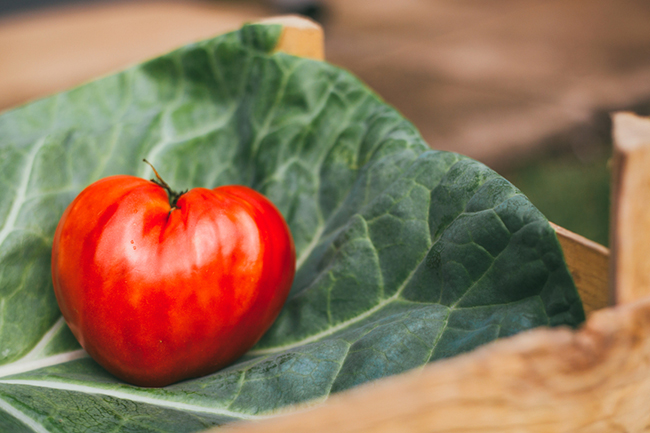
Want to see all my favorite links? Be sure to follow me on on Delicious. I also share links on Twitter @summertomato,  Google+ and the Summer Tomato Facebook page. I’m very active on all these sites and would love to connect with you. (And yes, I took that pepper heart pic myself).
Links of the week

What inspired you this week?

Tags: , , , , , , , , , ,

10 Simple Substitutions to Make Restaurant Meals Healthier

by | Aug 1, 2012

Photo by basheertome

I pity the fool who puts health over pleasure every time they enter a restaurant, but if you eat out often all those French fries could get the better of you.

When nothing on the menu perfectly fits my preferences (particularly at low to mid-range places more tailored to the Standard American Diet crowd), I don’t hesitate to swap out whatever I don’t want with something better.

Whether it’s to get avoid processed foods or simply add vibrance and color to my plate, here are 10 simple swaps to make the most of your restaurant meals.

10 Simple Substitutions to Make Restaurant Meals Healthier

1. Mixed greens instead of ice burg or romaine lettuce

I enjoy cobb salads, but for some reason they’re usually served with boring industrial lettuce. Most places these days carry mixed greens or spinach as well, and are usually happy to make the switch.

2. Fruit instead of toast

I’m not sure why breakfast spots think you need two giant pieces of toast on top of your potatoes, eggs and pancakes, but if you don’t want it they’ll often offer you fruit instead. This is one of the best upgrades you can get away with.

3. Salad instead of potatoes

Speaking of potatoes, while they are real food and have their place in a healthy diet, they’re so often fried in rancid industrial oils that it’s best to skip them. Swapping them out for salad or cooked greens is rarely a problem.

4. Avocado instead of mayo

Real mayonnaise, the kind made from egg yolks and olive oil is perfectly healthy (and delicious). Unfortunately that isn’t what most places are putting on your sandwich. Instead commercial mayos are typically made with soybean or canola oils, AKA hyper-processed industrial oils. It may cost a little extra, but avocado is a fantastic alternative to gooey up your lunch.

5. Cheese plate instead of dessert

One of the things I love about France is that it’s perfectly acceptable to have cheese after dinner instead of sugar. If everyone is ordering crème brûlée and you don’t want to be a party pooper, get the cheese plate instead. Good cheese is healthy.

6. Brown rice instead of white

I don’t mind white rice in small quantities, but if I’m stuck eating somewhere I know the food isn’t very healthy I swap out my white rice for brown (and order as many vegetables as possible) if the option is available.

7. Drink wine instead of cocktails

Dinner often starts with a drink selection. While wine certainly has calories, cocktails usually have hundreds more thanks to the liqueurs and syrups typically used. Mixed drinks have their place, but if you’ll also be eating  a few hundred calories then wine is a better choice.

8. Beans instead of rice

If I see beans or lentils anywhere on the menu I’ll often ask if the kitchen can use them instead of one of the faster digesting starches on my plate. Your waiter may be confused, but he’ll usually do it if you ask.

9. Olive oil and vinegar instead of sugary dressing

At some point in the past 20 years salad dressings started being made with ridiculous amounts of sugar and salt, probably to cover up the completely flavorless vegetables from the industrial food chain. Good ol’ fashioned olive oil and vinegar is a better choice, and most kitchens have them.

10. Anything instead of American cheese

Have you ever looked at the ingredients for American cheese? Besides water, the first ingredient is usually trans fat. The second is cornstarch. All the way at the bottom it says, “Contains: Milk.” Replacing it with real cheddar, gruyere, provolone, or even nothing would be healthier.

What are your favorite restaurant substitution tricks?

Tags: , , , , , , , , , , , , , , , ,

How Mindful Eating Can Help You Eat Less

by | Aug 8, 2011
Red Flame Grapes

Red Flame Grapes

Today’s guest post is by Jyoti Mishra Ramanathan, a fellow UCSF neuroscientist who studies attention and distraction in the human mind. In her article Jyoti reveals how attention impacts our experience of food and how we can harness this power to help us eat less without feeling deprived.

Learning to be a mindful eater will permanently change your relationship with food and is essential for upgrading your healthstyle.

Mindful Eating and Portion Control

by Jyoti Mishra Ramanathan

I grew up in India where life revolves around food. One wakes up to plan breakfast and as soon as that is over plans lunch, then immediately prepares for a typical 3-4 course dinner. When I visit aunts or my grandma, I’m barraged with food at every moment: eat this, eat that! Oh! You aren’t eating enough! Oh! Do you not like my dishes?

If you don’t accept all or any food that comes your way, it is seen as a sign of disrespect. And if this isn’t enough to make you over-eat, remember too that food is sacred in India. How could one waste the grains on one’s plate when there are millions around us suffering from hunger? Consequently, I grew up believing it is normal to forever be bursting at my seams–to eat to the point where taking another bite might even make me sick.

But a few years ago my eating habits changed.

I was at a meditation workshop and one evening we were told we’d be given one grape for dinner. This sounded impossible. However, I obediently sat cross-legged with the other attendees and was handed my single juicy purple grape.

As I popped it in my mouth, I was told to shut my eyes and sense the grape in its totality: I rolled my tongue around it becoming aware of the soft and smooth exterior of the tiny fruit, I imagined its rich purple color, and then as I slowly bit into it, I savored every trickle of juice that I could extract from the grape.

The process took me a full five minutes and never in my life have I remembered eating such a delicious grape, although it was from no extraordinary vine. Miraculously, I felt full as well.

Try the grape exercise. I do not promise the satisfaction of a full meal, but it is a beautiful exemplar of mindful eating that consequently taught me portion control.

4 Simple mindful eating tips

1. Never eat distracted, i.e. while watching TV or running to catch the bus. Observe the deliciousness on the plate, the colors, textures, flavors and smells, savoring each bite. As the meal makes its way to the stomach, start to notice the fullness in your tummy. I found that there is an initial satiation simply from this sensory overload of observant eating.

One could stop here, but this is not enough nourishment and hunger tugs again relatively soon. But as you slowly chew on your food and enjoy each bite, you experience a real fullness that completely satisfies your hunger. This sensation precedes the contentment of the taste buds, which may still desire a few extra bites of that rich chocolate cake. But as I learned to identify the hunger satiety point at each meal, I found I could also control the desires of my taste buds.

2. Do not visit a restaurant starving. It is harder to control how much you eat when faced with novel delicacies at a restaurant, especially when you get there on an empty stomach. My best defense against this is to eat a small snack right before. My favorite is a quick salad.

At home I always keep miscellaneous salad ingredients on hand: mixed greens, cheese, raisins, walnuts, candied almonds, grains like quinoa, blueberries, avocado, sundried or cherry tomatoes, baby carrots, figs, grilled chicken strips, smoked salmon, etc. Mix-and-match any of these in varying proportions and add some homemade dressing. Each time you will have a novel salad that never gets boring. After a light snack it is much easier to have restraint while ordering and eating, keeping both waistline and budget in check.

3. Share a meal. My husband and I more often than not share an appetizer, entrée and dessert at a restaurant. This is not because we can’t afford more. We simply enjoy sharing–describing the new tastes to each other, immersing ourselves in the experience and appreciating new food. In these happy moments satiety emerges effortlessly.

Try this even when out with a group of friends: order for 3 with a group of 4 and share. If there is still food left over and there are no pets or family at home, I offer my extras to the homeless. I just gave away a carrot cake a couple of nights ago and the delight in those eyes was like someone who had just found a treasure!

4. Don’t aim for 100% full. Hara Hachi Bu is Japanese for eating until 80% full. Okinawan islanders practice this and are known to be one of the longest living people on the planet. Their longevity is attributed to this moderate calorie restriction in combination with consuming plenty of fruits and vegetables, which protect against free radicals that damage your body’s cells.

Conclusion

In summary, there are many benefits to portion control: feeling better right after a meal, long-term health, weight management, saving cash by eating less and perhaps even living longer.

Practice mindful eating to make portion control a reality for you.

How do you control your portion sizes?

Originally published September 2, 2009.

Tags: , , , , , , , , , , ,