Sign up

You deserve to feel great, look great & LOVE your body

Enter your email for your FREE starter kit to get healthy & lose weight without dieting:

  • This field is for validation purposes and should be left unchanged.

Healthy Snacks For After Your Workout

by | Nov 5, 2012
Delicious Nuts

Delicious Nuts

“When I work out at the gym, I am there for a couple of hours and by the end of the first hour, I am still energized but start getting hungry. I read your article on packing food for lunch but wanted to specifically ask if you recommend any specific store bought bars.”

I frequently get questions about different nutrition and energy bars. Generally I think they are a bad idea, since they are usually just processed food with added vitamins and/or other trendy diet ingredients—a hallmark of food from the Matrix.

Energy and meal replacement bars serve only one purpose: convenience. Some may be better than others (check the ingredients to be sure), but don’t fool yourself into thinking these are health foods.

That said, I understand that quick calories can be incredibly useful, particularly when intense workouts are a regular part of your day. If you get hungry and don’t have anything around to eat, the chances of you breaking down and eating something you’ll really regret increase substantially. But I think there are better things to carry around than energy bars.

My quick snack of choice is nuts or trail mix. I always have a small stash of nuts hidden somewhere in my gym bag (which comes with me everywhere). My personal favorites are almonds, pistachios, cashews and macadamia nuts. When I’m feeling ambitious I’ll combine a few different kinds together in a plastic zipper bag along with some dried fruit, just to mix things up.

One of the only drawbacks of snacking on nuts is if you are really hungry it is easy to eat too many and ruin your appetite for dinner. Too many nuts can also be difficult to digest. To avoid this I recommend getting into the habit of counting the nuts you eat, drinking water and waiting 20 minutes before eating more. The protein and fat in nuts can be very satisfying, but it takes awhile for the satiety signals to reach your brain.

For almonds, cashews and macadamia nuts 10 is a good number to start with. For shelled pistachios and peanuts, 15-20 nuts is more realistic. You are aiming for a single serving size of 1/4 cup. After some practice, eating the proper amount will come naturally to you. But at the beginning you should either count the nuts or measure them out in advance so it is easier to make good decisions.

There are a few other easily transportable foods that can serve as good substitutes for energy bars. Fruit is a great option, particularly filling fruits with lots of fiber like apples and oranges. Be careful with soft fruits, however, or you may end up with a gym bag filled with goo. Yes, I’m speaking from experience.

(Read: How to transport soft fruits and vegetables)

Another option that I don’t often use but am not opposed to is jerky. Beef and turkey jerky are generally high in protein and very satisfying. Just be careful about the teriyaki flavor that is often high in added sugar.

As a final thought, I wonder if you are maybe spending too much time in the gym? For weight loss and fat burning, more than an hour is really overkill and may actually work against you. If you are training for a specific athletic event, you’ve gotta do what you gotta do. But for the rest of us mortals one hour in the gym is more than enough to accomplish our goals. Maybe your hunger is a signal to you that it’s time to shower up and head home?

One of the most essential aspects of a great healthstyle is planning for moments of hunger throughout your day, but processed foods are hardly ever the answer, no matter how convenient.

What are your favorite post-workout snacks?

Originally published November 16, 2009.

Tags: , , , , , , , , , , , , ,

Healthy Dessert Recipe: Sautéed Bosc Pears With Toasted Walnuts & Balsamic Reduction

by | Oct 31, 2012
Bosc Pear With Toasted Walnuts and Balsamic Reduction

Bosc Pear With Toasted Walnuts and Balsamic Reduction

“Darya, my biggest problem is…I have a sweet tooth. Are there any recipes or desserts you suggest?”

One of the hardest things about transitioning to a healthy diet is cutting down on sugar. I definitely remember this from my own experience.

Luckily this difficulty is temporary.

The longer you go without sugar, the less you want it. In fact it has taken me awhile to reply to this question because I have not been motivated to make dessert in such a long time.

I eat sweets on occasion, but almost always these situations are circumstantial: a friend’s birthday, a favorite restaurant or other special occasion. And I am only excited about the experience if the dessert in question is profoundly exquisite. (In San Francisco, this is way more common than it is in most places.)

What this all means is I rarely find reason to seek out and/or make dessert.

But after creating this recipe, I may reconsider. This dessert is incredibly delicious, and not unhealthy at all. I thinly sliced some bosc pears and briefly sautéed them in butter with cinnamon. I reduced some balsamic vinegar for a semi-sweet topping, but otherwise did not add any sugar. I garnished the pears with toasted walnuts and shredded basil.

This recipe also works with other firm fruits such as apples, peaches and strawberries, all of which are available this time of year at the farmers market.

Sauteed Bosc Pears With Toasted Walnuts, Balsamic Reduction and Basil

Ingredients:

Bosc Pear

Bosc Pear

  • One bosc pear, cored and sliced into 1/4 inch slices
  • 2 tsp butter
  • Cinnamon to taste
  • 1/4 c. walnuts
  • 1/4 c. balsamic vinegar
  • 5 basil leaves, chiffonade into strips

Preheat oven to 350 degrees, core and cut bosc pear into 1/4 inch slices.

Place balsamic vinegar in small sauce pan and gently heat until simmering. Allow to reduce, swirling occasionally until reduced to 25-30% volume, about 10 minutes. Reduction should be dark and thickened. Test by seeing if it coats the back of a spoon (and tastes good). Do not over reduce.

While vinegar is reducing, place walnuts on a cookie sheet and put in oven. Toast walnuts, turning once or twice for 6-7 minutes. Do yourself a favor and set a timer. It is very easy to burn toasting nuts. I set the time for 3 minutes, toss the nuts, then reset for another 3 minutes. Remove nuts from oven, allow to cool, then coarsely chop.

Heat butter in a pan on medium heat until it begins to foam. Add pear slices and sprinkle with cinnamon. Cook gently until slightly tender, about 3 minutes on each side. Turn with a thin spatula.

Place pears on a plate and drizzle with balsamic reduction. Sprinkle on chopped walnuts and basil. I didn’t try it, but I bet this would be awesome with gorgonzola and port (or other dessert wine).

Try it and let me know what you think!

Do you ever cook fruits for dessert?

Originally published October 12, 2009.

Tags: , , , , , , ,

Farmers Market Update: Minneapolis

by | Oct 7, 2012
Mills City Farmers Market

Mills City Farmers Market

Bruce Bradley is a former processed food marketer turned food advocate and author. After working at some of the world’s largest food companies, Bruce now blogs about the tricks, traps, and tools big food marketers use to get you eating more and more processed food.

His first book, FAT PROFITS, has just been published. It’s a thriller about a corrupt food company that will stop at nothing to fatten its profits and become a Wall Street darling. Who knew food could be so dangerous? To learn more about Bruce Bradley you can visit his blog, follow him on Twitter @authorbruce, or check him out on Facebook.

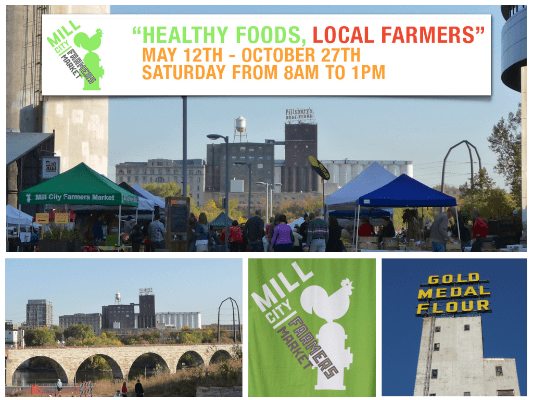
Farmers Market Update: Mill City Farmers Market in Minneapolis, Minnesota

On the shores of the mighty Mississippi wedged between the Mill City Museum, the historic Stone Arch Bridge, and Minneapolis’ Guthrie Theatre, something amazing pops up every Saturday from mid-May until the last weekend in October: the Mill City Farmers Market. Although it’s not the largest farmers market in the Twin Cities, it’s definitely one of the best. With an inspiring mission “to support local, sustainable and organic agriculture, increasing economic opportunities for farmers, urban youth, small businesses and food artisans,” a visit to the Mill City Farmers Market makes you feel better about the world you live in.

German Band

Entertainment abounds at the Mill City Farmers Market. Each week there’s a different theme, live music, and product demos. This week’s theme was Oktoberfest and featured a beer garden serving a variety of Lift Bridge beers and a German band playing some bierhaus classics.

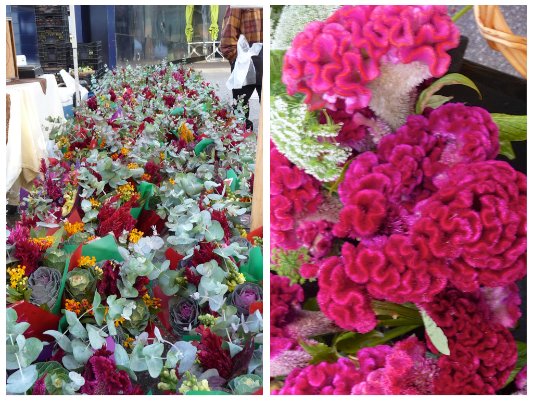
Flowers

Adding brilliant, jewel-like colors to the market, flower bouquets and cockscomb filled one vendor’s booth. If you haven’t been to a farmers market in a while, you definitely need to give it a try. It’s not just about produce anymore.

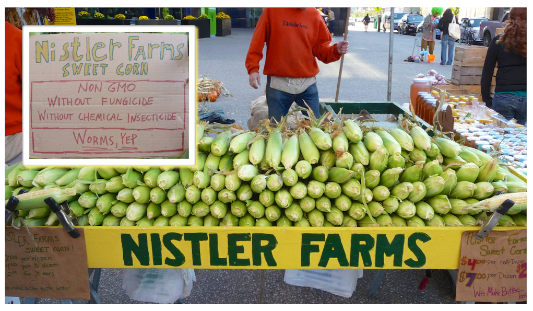
Corn

Of course it’s always good to see some of the classics like corn. There’s nothing better than fresh corn on the cob, and it’s one of my son’s favorites. I especially enjoyed the sign on Nistler’s corn stand: no GMOs, no fungicides, and “worms, yep.” I’ll gladly take a little worm damage to the tip of the cob (which can easily be cut off) in exchange for GMO-free, pesticide-free corn. And I found it refreshing how honest and upfront all the vendors were about their products. In contrast to many of the big food companies that peddle their processed foods in grocery stores, these folks had nothing to hide.

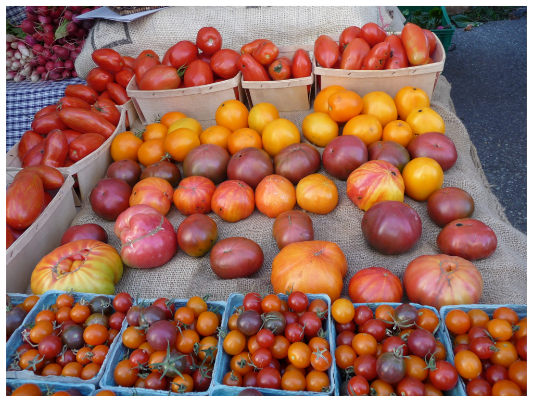
Tomatoes

A tomato is just a tomato, right? NO! I spotted over twelve different varieties during my visit. One vendor was sampling a tomato that was so juicy that I dripped it all over my pants. Oh, well. It was definitely worth the taste. With fall temperatures already getting below freezing in some parts of Minnesota, these beauties won’t last long, so I grabbed several.

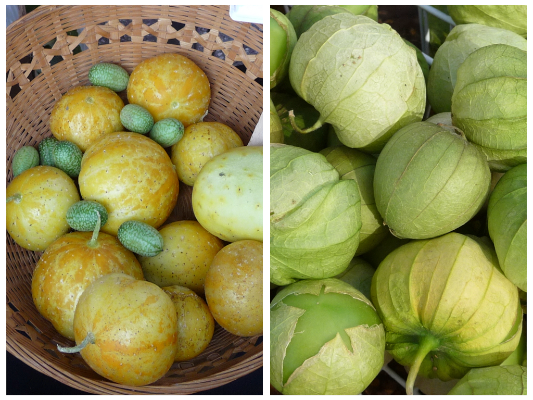
Cukes

It’s always fun to discover new treasures, and the Mill City Farmers Market had several. Although sour lemon cucumbers and tomatillos have been in my kitchen many times, this was my first time trying a Mexican sour gherkin cucumber. These little guys are the size of a grape tomato but look like a tiny watermelon and pack a sour punch. Mmm, mmm, delicious!

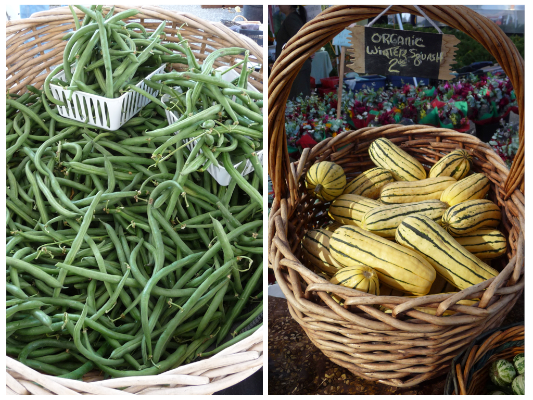
Beans and Delicata

Two more favorites in my family are classic green beans and delicata squash. These organic veggies were just picked yesterday. You just can’t beat this kind of freshness.

Winter Squash

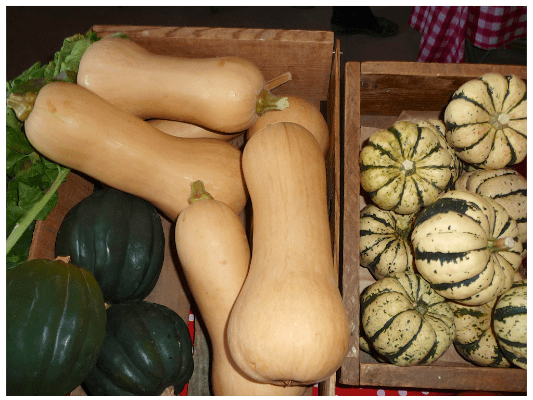
I love squashes of all kinds, and the butternut, sweet dumpling, and carnival varieties are on my go-to list in the fall. Butternut squash soup is a personal favorite, and carnival squash makes an easy and delicious side dish. Just split them down the middle and bake with a touch of butter, maple syrup and a grind of fresh pepper.

Taters and Carrots

Beautiful root vegetables were all over the market as well. One vendor was sampling their carrots and they were amazingly sweet and crunchy. Despite wanting to buy some, I passed since I still have plenty of potatoes and carrots leftover from my summer CSA share.

Apples

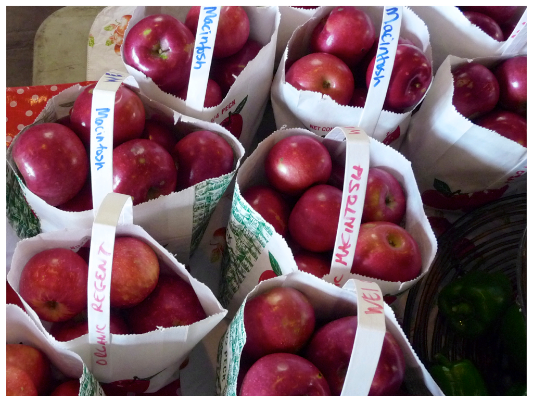
Probably one of my favorite parts of fall is apple picking. I grew up in Florida, and apple picking just wasn’t an option (although we did have some amazing orange, key lime, and lemon trees in our yard). My family hasn’t had a chance to make it out to the orchards yet, so I enjoyed sampling a couple different varieties. It’s hard to beat the crisp, juicy white flesh of macintosh apples, so I picked up a bag. There’s nothing like the perfection of an apple for a great, portable snack.

Pumpkin

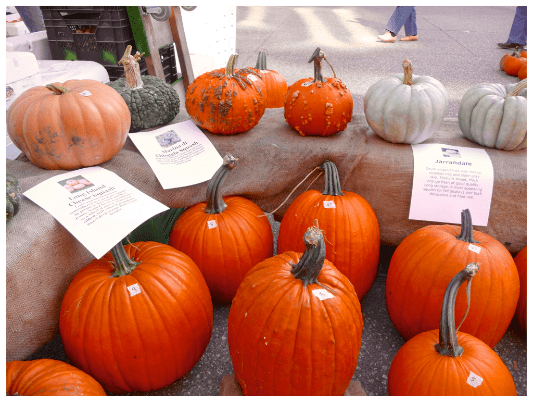
With October here, ’tis the season for pumpkins and squashes. I loved how this booth not only featured the classic pumpkin, but also shared some great information about varieties of squash you might ordinarily be afraid to try. With my bag already pretty full, I opted for a smaller pie pumpkin. Not only will it add some fall color to our home, but it will make some wonderful pumpkin bread or cookies.


Mushroom Kit

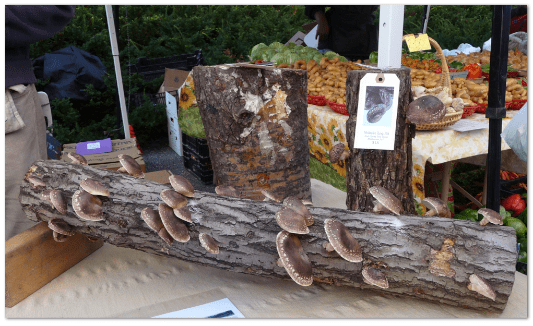
Beyond the traditional fare, The Mill City Farmers Market has some very cool surprises that you don’t find at most farmers markets. This mushroom kit was one of them. Sold by Cherry Tree House Mushrooms, each kit includes an fungi innoculated piece of wood that will grow fresh mushrooms for you right in your backyard. I enjoyed learning all about the process but wasn’t quite up to the adventure that day. Fear not, if you’re not up for growing your own, Cherry Tree House also has fresh and dried mushrooms available for sale.

Buffalo

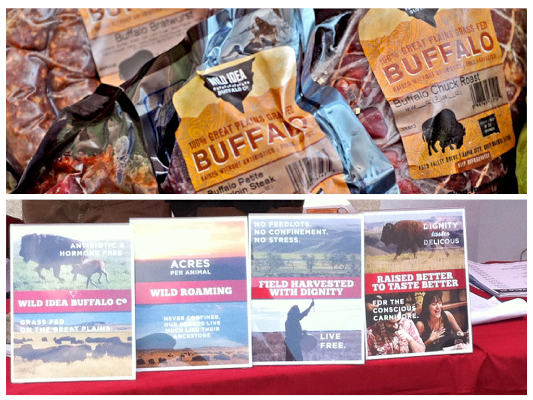
Wild Idea Buffalo also had a booth at the market. I’ve had a chance to try their products before, and they are delicious—a lot like beef but with a little sweeter, earthier flavor. 100% grass-fed and American Humane Certified, Wild Idea Buffalo roam free on over 100,000 acres in South Dakota, just as nature intended. Lower in fat and cholesterol than boneless skinless chicken, and high in omega-3’s like salmon, Wild Idea Buffalo proves that if you choose to eat meat, there are alternatives out there you can feel good about.

Purchases

And here’s what I bought (mostly pictured above):

What did you find today at the market?

Tags: , , , , ,

How To Eat Healthy Without A Local Farmers Market

by | Oct 1, 2012

Photo by rick

“I don’t live in California and don’t have access to year-round amazing produce like you do. How am I supposed to eat healthy without a local farmers market?”

Not everyone is blessed with the kind of produce we have here in California, but that shouldn’t prevent you from eating healthy, delicious food year round. Although the local food movement is awesome and doing a tremendous amount to help people make better food choices, it isn’t a requirement for healthy eating.

Good produce can still be found in the winter. Here are 13 tips for eating healthy even if you don’t have a local farmers market.

How To Eat Healthy Without A Local Farmers Market

1. Shop in season, even if it’s from CA, FL or TX.

Though local food can taste amazing, it’s not the only place delicious food can come from. Buying foods that are in season but shipped from somewhere a little farther from home will taste better and be cheaper than food shipped from another hemisphere. Follow the seasons and let your local grocery store surprise you.

2. Learn to cook

Good produce will only get you so far if you don’t know how to prepare it. Follow food blogs, buy a cookbook from your favorite celebrity chef and get your hands dirty in the kitchen. The learning curve is short and the skills (and pleasures) will last you a lifetime.

3. Find dedicated produce marts

Big grocery stores and farmers markets are not the only options for fruits and vegetables. Look around town for smaller, dedicated produce marts. These will often have better selections than what’s offered at the local chain store.

4. Find natural stores

I used to avoid natural food stores because I always assumed they were too expensive and filled with weird, hippy foods. Though these things can sometimes be true, natural food stores are a great source of high-quality organic produce and other healthy foods.

5. Find ethnic grocers

Asian and Latino markets are fantastic resources for interesting, tasty and often very inexpensive produce. Everything they carry might not be organic, but healthwise it’s more important to eat a variety of produce than to be rigid about organic standards.

6. Buy vegetables

Vegetables are the basis of any healthy diet. If you can find any at all, you should buy and eat them.

7. Buy fruits

Citrus fruits from Florida and California are amazing in the winter, and ship well to almost anywhere. You should also be able to find some good pears and apples. Eat fruit, it’s nature’s candy.

8. Buy fish

One advantage of large grocery stores is they have the resources to ship fish safely from almost anywhere. Whole Foods in particular has an excellent seafood section, if you have one in your town.

Vegetables are not the only health food and fish is some of the highest quality protein and fat you can eat. Keep your eye out for wild fish varieties and try to avoid tuna and swordfish, which are high in mercury.

Read more on How to choose fish and seafood.

9. Buy legumes

Legumes (beans and lentils) are easy to store, easy to cook, taste delicious and are available everywhere year round. I recommend experimenting with dry beans and using a pressure cooker to prepare them. Check the bulk bins for the best deals.

10. Buy bulk grains

Oats, barley, brown rice, farro and quinoa are all relatively easy to find, particularly in the bulk sections of natural and regular grocery stores, and there’s a good chance you’ll find a lot more. Intact grains are filled with essential vitamins, minerals and fiber, and are effective at curbing sugar cravings.

11. Buy nuts

Local nuts are tasty, but only a bonus in a healthy foodie’s arsenal. Feel free to stock up on almonds, cashews, peanuts and pistachios no matter where they come from. Nuts are healthy and great for both cooking and snacking.

12. Survey the crisper case for interesting ingredients

Even in big chain supermarkets I’m often surprised at the variety of ingredients I find in the vegetable crisper. Pay close attention in this aisle and look for fresh herbs and ingredients like ginger. I’ve even found more exotic items like lemongrass and specialty mushrooms. Herbs and spices go a long way in making even non-local vegetables taste amazing.

13. Find the ethnic food sections and browse ingredients

Take your cooking to the next level by browsing the ethnic food sections for interesting ingredients. Most grocery stores have at least a small section specializing in Mexican, Chinese, Japanese, Thai, Indian and other ethnic foods. These are a great resource for new flavors and can give you inspiration for cooking the fabulous veggies you pick up from around town.

What are your tips for finding healthy foods without a local farmers market?

Originally published October 25, 2010.

Tags: , , , , , , , , , ,

How To Make Your Own Muesli – It’s Stupid Easy

by | Sep 26, 2012

I’ve explained before that muesli is my favorite alternative to traditional breakfast cereal. It’s minimally processed, has no added sugar and when made properly is quite tasty. The only problem is that these are features that food companies hate, because most people won’t buy it. This makes it difficult to find muesli, particularly a high-quality version at a reasonable price.

Luckily it’s stupid easy to make your own muesli. Doing it yourself is also a lot cheaper and lets you customize your mix to your preferences. All you need is some rolled grains (oats or a mixed cereal like I use here) and an assortment of nuts and dried fruits of your choosing—you don’t need a real recipe.

In the mix above I chose a 5 grain cereal that I found at my local market. I picked up a simple nut mix of roasted and lightly salted nuts, some extra hazelnuts (because I love them), some golden raisins and some dried currants. It turned out AWESOME, way better than the expensive stuff I normally buy.

I used to always eat my muesli mixed with a little plain yogurt, but these days I’ve preferred to just pour a little in a bowl, add some water and microwave it for 2 minutes. It comes out like the tastiest oatmeal you’ve ever had. I sprinkle a little cinnamon on top, and maybe add a splash of almond milk and it is amazing. If you’re still acclimating to the lack of sugar in muesli, you can try stirring in a spoonful of peanut butter, low sugar jam or a drizzle of honey.

Lastly, I love these POP containers by OXO. They come in a bunch of different sizes and shapes, and do a great job of keeping foods fresh. I use them to store all my beans, lentils, grains, dried chilies and other pantry items.

Thanks to Kevin Rose and Glenn McElhose for help with filming and editing.

Tags: , , , , , , , ,

Taste Psychology: Learning To Love Foods You Don’t Like

by | Sep 10, 2012
Roasted Beets With Fresh Mint and Chevre (click for recipe)

Roasted Beets With Fresh Mint and Chevre (click for recipe)

Chances are there are foods you love now that you hated as a kid. But how many foods do you still avoid just because you think you don’t like them?

Young palates struggle with things like mustard, onions and asparagus, and instead prefer more bland, less intense flavors. But as adults we sometimes cling to these preferences without ever stopping to question the value or meaning of our opinions.

But in reality, what joy is there in being a picky eater?

While it’s true that taste is subjective, I’ve never heard a convincing argument that it’s better to dislike a food than to like one. It is certainly more fun to like things, and it is often far more convenient. Just try getting a serious chef to make a signature dish without onions. It isn’t easy.

But is it possible to learn to like a food if you don’t like the taste?

It turns out that most of the time we decide what we like before we bother to experience it, and this prejudice clouds our perception of what we actually encounter. This effect of perception bias has been demonstrated repeatedly in psychology experiments where food color and taste have been manipulated. To see this for yourself, use food coloring to alter the appearance of several bowls of lemon Jell-O and have your friends guess what flavors they are tasting. Very few will say they taste lemon unless the color is still yellow.

The psychology of taste is further complicated by our natural aversion to things that are new or different from what we are expecting. Foods with unique textures such as mushrooms and okra often fall victim to this bias. In these cases the unfamiliarity and strangeness of the texture makes us slightly uncomfortable, and we interpret this feeling as a personal dislike. However, this reaction reflects the food’s uniqueness rather than its true character.

Our tendency to dislike and often hate things that extend beyond our perceptual comfort zones is explored in Malcolm Gladwell’s book, Blink: The Power of Thinking Without Thinking. He argues that we make snap judgments about everything we encounter based on prior experience. And while this ability can sometimes help us make wise decisions, it can also explain why pilot testing can’t predict the success of new concept T.V. shows like Seinfeld.

In other words, sometimes our first impressions are wrong.

Knowing about this bias can help you overcome aversions to foods you think you don’t like, and even learn to love them. The first step is deciding that there is value in enjoying a food you currently do not enjoy. I’m not saying you should develop an appreciation for frozen pasta, but most fresh, natural whole foods are worth rediscovering for both taste and culture.

The second step is dedicating yourself to keep trying the rejected food until you find it prepared in a way you like. This is not as bad as it sounds, since there is a good chance that the reason you do not like a food in the first place is because what you were served as a child was either canned, frozen or of industrial (low) quality. Since peaches and plums taste completely different when you get them at the farmers market, doesn’t it stand to reason that the same is true for green beans, broccoli and beets? Also, with each venture your taste will become more acclimated to the flavor and your aversion will dissipate.

Fine dining represents another great opportunity to explore foods you haven’t enjoyed in the past. I was finally won over on brussels sprouts after a spectacular meal in San Francisco, and now consider them one of my favorite autumn ingredients.

Even if a certain food doesn’t end up on your favorites list, learning to at least enjoy it in a casual way will enrich your life and help you develop an appreciation for new and unique experiences. The Chinese culture pays particular reverence to textures in food, and this attitude allows them to enjoy a far more diverse and interesting range of ingredients than any Western culture.

The key word here is “enjoy.” Eating vegetables is undeniably healthy, but the best reason to eat broccoli is that you absolutely love it.

What foods do you hate? Are you ready to get over it?

Originally published October 5, 2009.

Tags: , , , , , , , , , ,

Is Organic Food Really The Same As Conventional?

by | Sep 5, 2012

Organic Golden Beets

On Monday a study from scientists at Stanford made headlines by concluding that there isn’t much health value in choosing organic food over conventional food. The headline didn’t surprise me in the least, I’ve seen similar ones at least a dozen times before, but there is still so much confusion among the general public around this topic that it’s worth revisiting in the wake of this new data.

Despite what organic zealots are telling you, this wasn’t a bad study. It was a meta-analysis that examined a number of relevant health measures comparing organic versus conventionally grown foods over the last several decades. They excluded processed foods from their analysis (this is a good thing), and looked at nutrient levels as well as pesticide contamination and antibiotic resistance in both produce and animal products. They were also careful about which organic standards were included in the study. Though the analysis has plenty of limitations (all meta-analyses do), their statistics were sound and the researchers were honest about their findings. What’s really annoying is how their results were interpreted by the media.

One problem is that the word “organic” is a huge umbrella that includes sustainable, biodynamic farming practices as well as huge-scale industrial operations that barely squeeze under the “certified organic” labeling standards. As a result there is a tremendous amount of heterogeneity (a scientific word for a wide range of differences) between the organic foods being tested, as well as the types of studies that are performed. As a result, it is difficult to measure consistent differences (aka statistical significance) between organic and conventional foods in this kind of study. Unfortunately, this doesn’t do much to further our understanding of how growing practices affect health.

The huge variance among farming practices that fit under the organic umbrella is not trivial. By far the largest segment of organic products on the market could be considered industrial organic, and the farms are closer to traditional industrial farms than most of us realize. Large organic farms are typically monoculture fields just like large conventional farms, though more crop rotation is required. Industrial organic poultry and beef farms also look oddly similar to conventional industrial feedlots, even if the animals are eating organic feed. In fact, both organic and conventional industrial farms are often owned by the same mega-corporations, and share the same bottom line of profit. There’s no reason to suspect that these industrial organic foods would be markedly more nutritious than conventionally grown foods.

In contrast, smaller biodynamic farms have extensive practices designed to build soil, improve robustness of crops and ensure bio and nutrient diversity. Instead of monocultures, these farms grow huge arrays of different vegetables and fruits. If a biodynamic farm raises animals they are given their natural, preferred diet of grass (for cows) or bugs and seeds (for birds). The animals are treated well and fed well, and are healthier as a result. If you want to learn more about the differences between conventional agriculture, big organic agriculture and biodynamic farming I highly recommend Michael Pollan’s excellent book, The Omnivore’s Dilemma, and Joel Salatin’s latest book, Folks, This Ain’t Normal.

Interestingly, despite the wide range in the quality of foods that qualify as organic, the Stanford study did find some significant differences. Organic produce contained significantly more phenols, the cancer fighting chemicals found in red wine, green tea, chocolate and many fruits and vegetables. However, this finding was glossed over in favor of the non-significant differences found between vitamin C, betacarotene and vitamin E levels in organic versus conventional foods.

It is reasonable to hypothesize that organic agriculture (at least in some cases) would be more nutritious because the soil standards for organics are much higher than for the depleted, synthetically fertilized conventional fields. Soil quality and weather (the raw ingredients) are by far the biggest factors in the nutrient levels of produce, with freshness and storage methods being next in line. Indeed, organic agriculture typically has more minerals and the Stanford team confirmed they contain significantly more phosphorus. But there is so much variety among plants, and from season to season, that you shouldn’t necessarily expect large, consistent differences in the levels of common vitamins like C and E from genetically identical plants.

That the Stanford team found measurable differences in total phenol content is pretty impressive. There are dozens of phenolic compounds that could benefit health in different and subtle ways. Nutrition science still can’t explain the benefits of all these nutrients, but having more of them certainly seems like a good thing.

Still lack of pesticides, not better nutrition, is the most commonly cited reason for buying organic over conventional foods. Pesticides are designed to kill things, and have been shown repeatedly to be dangerous for farm workers and other wildlife. They also accumulate more in the bodies of people who eat conventional produce compared to those who eat organic, and susceptible populations such as children, pregnant and nursing women, and the elderly are at particular risk. The Stanford study confirms organic agriculture has substantially fewer pesticide contaminations, but for some reason this finding was also glossed over since the conventional produce levels “didn’t exceed maximum allowed limits.” Logically, however, if limiting pesticide exposure is important to you (as it should be) organic produce is the better option.

The animal studies were even more encouraging. Small but significant improvements in fatty acid profiles were found for organic milk and chickens, which contained more healthy omega-3 fatty acids. More importantly, antibiotic resistant bacteria, the kind that are becoming more common (and deadly) in our own hospitals, were 33% more likely to be found on conventional meat products than on organic meat. Antibiotic resistant bacteria being created on industrial farms is one of the scariest threats to human health in modern history, and any measures that limit their proliferation should be seriously considered.

From this study it seems reasonable to conclude that organics, even industrial organics, are superior to conventional foods in some ways. Organic farms cannot use synthetic fertilizers or pesticides, sewage sludge (yes, human sewage is used on conventional food), irradiation or genetically modified organisms (GMOs), and must help maintain or improve soil quality. These practices are much better for the environment, significantly limit the amount of pesticides you are exposed to, reduce the proliferation of dangerous pathogens and may be more nutritious.

Organic agriculture certainly sounds like it has some advantages over conventional ag to me.

Do you buy organic? Why?

Tags: , , , , , , , , , , ,

Better Than Pasta Subtitutes: Summer Squash Noodle Recipe and Video

by | Aug 27, 2012
Squash Pasta

Squash Pasta

Recently a reader asked:

“Any tips on pasta substitutes? (I did read your post about how whole grain/whole wheat pasta isn’t really a whole lot better than regular pasta).”

Pasta and noodles can be tricky if you’re trying to lose weight and get healthy. Though some people consider Italian pasta (made from semolina flour) to be a low glycemic index food, in my experience frequent pasta consumption will start the scale moving slowly upward.

I love pasta, but eat it sparingly.

Luckily I have found a noodle substitute that I absolutely adore, and it’s even faster than boiling water.

Although I was shocked at how delicious this turned out, I was even more amazed at how easy it was to prepare. All you need is some summer squash, a vegetable peeler and a bowl (optional). Cook the noodles by quickly sautéing them with a little olive oil and Kosher salt.

You can use any sauce you like. I modified the simple tomato sauce recipe from Cook’s Illustrated.

Summer Squash Pasta & Simple Tomato Sauce

Ingredients:

  • 2-4 summer squash such as zucchini
  • 1 14 oz. can diced tomatoes
  • 1 medium fresh tomato
  • 2 cloves of garlic
  • ~10 leaves fresh basil
  • extra virgin olive oil
  • salt

First run your garlic through a garlic press and place into a small bowl or cup. Add 1 tbsp warm water to the garlic, stir and set aside.

Next drain your tomatoes and reserve the liquid. Dice your fresh tomato into half inch cubes.

Chop your basil. Leaves such as mint and basil are easiest to cut if you chiffonade them by stacking the leaves on top of each other and rolling them lengthwise like a cigarette. From there they are easy to cut into thin strips.

In a pan heat 2 tbsp of olive oil and add the garlic. Cook until fragrant but not brown, about one minute. Add the canned tomatoes and simmer until sauce starts to thicken, about 8 minutes.

While the sauce is simmering, peel squash as shown in the video. Saute the squash ribbons in olive oil on medium heat. Sprinkle with salt and sauté for no more than 2 minutes. Do not allow them to brown or soften. Noodles should be brightly colored and al dente. Remove from pan and set aside.

When sauce starts to thicken, add fresh tomatoes and basil. Add some reserved tomato liquid if it becomes too thick to work with. Cook sauce another 3 minutes or so and salt to taste.

Toss your sauce with squash noodles and serve immediately.

How else do you like to eat squash pasta?

This post and video are pretty old, but this is still one of my all-time favorite recipes. Originally published July 29, 2009.

Tags: , , , , , , , , , ,

Farmers Market Update: Tucson

by | Aug 26, 2012
Two-Tone Crook Neck Squash

Zephyr Squash

My name is Ashley Mason, and I’m a graduate student who lived in Tucson for five years while working on my PhD. My husband Evan works in tech. We love to play scrabble, frequent farmers markets, drink wine while cooking, and eat dark chocolate while watching The Daily Show. We’ve been novice weight lifters for about four years. We are leaving our treasured Tucson to move to Palo Alto in just two weeks’ time for his work and my residency.

Farmers Market Update: Tucson

by Ashley Mason

When people hear “Tucson,” they often think, “hot, unbearable heat” and “dry, cactus-filled desert.” Indeed, these are both true, but a whole lot of wonderful produce grows here, and there is quite a bit of pasture on which to raise animals. Tucson is a relatively small town, and home to a variety of small farmers markets.

The good news is that no matter where one lives, there is a market nearby. Here, though, one has to come to market early, or risk missing some of the best picks—to other people, or to the heat, whichever arrives first. My husband and I generally like to purchase our eggs, vegetables, cheeses, beef, fruits, and bacon at the markets, so we generally cover two markets each weekend. This was our last weekend venture to these markets before our move to California.

Goat Cheeses

Goat Cheeses

The Philips Plaza Tucson farmers market, located north of Tucson proper, is a Tucson gem. One can find a variety of eggs (duck, quail, peacock, or chicken), local cheeses (especially goat cheeses), breads, and of course, fruits and vegetables. The market this August was brimming with peaches and squash. This week I hosted a brunch for several friends who love spicy food and wanted to make a quiche, so I was particularly after eggs and anything I could incorporate into the quiche or as a side.

The Fiore de Capra sells goat’s milk cheeses that are just to die for. From spreads to solid cheeses for slicing, they have quite the variety. Their cheeses are tangy and have a fabulous texture, not a bit grainy. One of the best things is that the marinades that the cheeses are packed in (olive oil and various peppers, peppercorns, etc.) makes a wonderful marinade for chicken or other vegetables long after the cheese is gone. I opted for a baked goat brie wedge and a goat cheese marinated in a mixture of olive oil and jabanero peppers. Who doesn’t want to wake up to a goat cheese quiche?

Fiore de Capra Cheeses

Fiore de Capra Cheeses

The Village Bakehouse is a famous-to-Tucson local bakery that specializes in breads. At this booth if you ask for olive bread, whichever baker is working will likely ask you what type of olives you prefer. They also make excellent pecan rolls. My husband has a soft spot for these, so we picked one up.

Pastries

Pastries

Maria of Durazo’s Poco Loco Specialty Salsas has something for everyone. Our favorite? Her chunky pico de gallo, made with home-roasted local chiles. Although one might think of tomatoes as the primary ingredient here, Maria focuses heavily on the natural oils in the chiles when she describes each of her offerings. She also makes wonderful fruit salsas with peaches and mangos. Evan actually plops this salsa in the pan with his eggs every morning, and the smell of roasted green chiles floods our apartment.

Maria

Maria

Right by Durazo’s is Tortilla Arevalo, which sells mesquite flour tortillas, corn tortillas, tamales, and homemade chips deep fried in olive oil. These are a real treat.

Arevalo

Arevalo

Grammy’s Garden, located in Wilcox Arizona, always has wonderful produce. The sweet potatoes are awesome, especially when roasted with a mixture of coconut oil, paprika, and cinnamon. They also grow a variety of tomatoes and other well-known vegetable varieties. I picked up a few sweet potatoes and started dreaming up a curried sweet potato hash side dish.

Grammys Garden

Grammy's Garden

These cherry tomatoes were delicious—flavorful, sweet, and perfect for roasting or simply eating drizzled with balsamic and olive oil. We decided these would make a lovely roasted tomato side dish. We picked up a couple of pints of cherry tomatoes.

Tomatoes

Tomatoes

George and his grandmother oversee the production of a variety of pickled and preserved vegetables, as well as jams and jellies.

Grammys Jars

Grammys Jars

My husband and I normally buy a lot of yellow squash, and frequently make Darya’s “pasta” recipe by using a peeler to create large fettuccine noodles, but this week we held out for some different squashes that are not as frequently available. Larry’s Veggies is an excellent place for all things squash. They always have a variety of shapes, colors, and sizes of squash, and this week I was in the mood for something different.

Larry's Summer Squash

Larry's Summer Squash

Crook-neck squash and large summer squashes are excellent both cooked and raw. The smaller crook neck squashes are actually on the sweet side this year, and when sliced, make excellent “chips” for salsa or guacamole dipping. We like to thinly slice the larger squash and layer the slices with goat cheese and homemade marinara sauce, and bake it into a sort of “lasagna.”

Two-Tone Squash

Two-Tone Squash

Larry’s also has eggs from their small flock of chickens, and the yolks are almost the color of a florida navel orange. I picked up a variety of squashes and the last dozen of eggs, along with a hefty bag of baby lettuces and a couple cloves of garlic.

Larry's Veggies

Larry's Veggies

I’d already gotten cherry tomatoes, but these looked good too!

Garlic and Cherry Tomatoes

Garlic and Cherry Tomatoes

We picked up several squash from Leo Big D Farms. The purple okra looked beautiful, too.

Leo Big D

Leo Big D

Wilcox peaches, which are actually cling peaches, are a must if you can find them in August in Tucson. They are the most delicious peaches I’ve ever had. They are small, but the flavor is intense. Delicious (and a sticky mess) in the car on the way home, but also when sliced and mixed with fresh blueberries. I purchased a few pounds from Grammy’s Farm. We cite these peaches for our complete disinterest in store-bought peaches.

Peaches

Peaches

It would not be a Tucson market without some chili offerings. These jalapeños were on the cusp of becoming the hottest that they ever will. A lone jalapeño was the first to start to turn color. We chose a very small one to mince for the quiche.

Jalapeno

Jalapeno

Since we knew we would need a good deal of eggs, and had some hopes for bacon and homemade beef breakfast sausage, we had also driven 10 minutes north to the Oro Valley farmers market the previous day (Saturday), just outside of Tucson city limits, to get some eggs and meats.

The grassfed beef from Sombrero Butte Beef company is unbelievable. Laurie, the ranch owner, and her husband, raise the cattle and slaughter approximately two per month. For over a year, Laurie set aside tenderloin roasts for me, and we used them at our wedding this past June in Chicago. The TSA at the airport got to know me as “the beef lady” as I carted frozen beef to Chicago four times over the course of the year! Laurie also occasionally has local bacon—a real treat. We picked up a couple pounds of ground beef to make into beef sausage patties, along with a couple pounds of bacon. Earlier in the week, I’d gotten some spices from Penzeys that I use to make “sausage.”

Laurie

Laurie

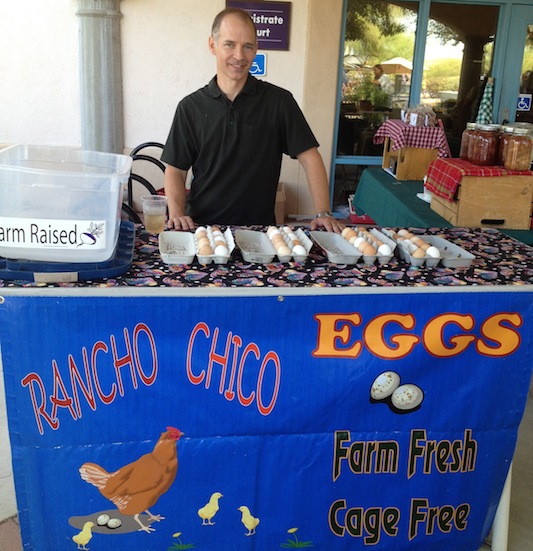
This family runs the Rancho Chico Eggs, which specializes in a variety of eggs, from chicken eggs to peacock eggs. The couple who run this booth are engineers who also have a knack for raising chickens and other birds, and bring their five children with them every week.

Rancho Chico

Rancho Chico

The children are often over by Laurie’s beef stand, snacking on whatever she’s cooked up to sample, but always come back to greet customers. I average two hugs per visit from the little girls. We picked up a dozen chicken eggs here.

Rancho kids

Rancho kids

In total, we had wonderful ingredients for the brunch. We made a goat cheese quiche with baby greens and pico de gallo, curried sweet potato hash, bacon, grass-fed beef sausages, roasted cherry tomatoes with balsamic vinegar, and sliced peaches. Everything was a hit, not a leftover in sight! Later that week, we made the above-mentioned “lasagna,” also delicious.

The Loot

The Loot

Purchases:

  • 2 pounds grass fed ground beef from Sombrero Butte Beef Company
  • 2 pounds local bacon from Sombrero Butte Beef Company
  • 3 pounds Wilcox (cling) peaches from Grammy’s Garden
  • 1 pint mild pico de gallo salsa from Durazo’s Poco Loco Specialty Salsas
  • 1 spaghetti squash from Sleeping Frogs Farms
  • 1 bag mixed lettuces from Larry’s Veggies
  • 1 tiny jalapeno from Leo Big D Farms
  • 1 dozen eggs from Larry’s Veggies
  • 1 dozen eggs from Rancho Chico Eggs
  • 1 package goat cheese marinated in jabanero peppers and olive oil
  • 1 baked goat cheese brie wedge from Fiore de Capra cheeses
  • 3 large sweet potatoes from Grammy’s Garden
  • Several two-tone squash from Leo Big D Farms
  • Several summer squash from Larry’s Veggies
  • 2 pints cherry tomatoes from Grammy’s Garden
  • 1 pecan roll from The Village Bakehouse (didn’t make it home! Devoured in the car.)

What was at your farmers market this week?

Tags: , , , , ,

Back To School: Healthy Packed Lunch Ideas

by | Aug 20, 2012
by Savannah Grandfather

by Savannah Grandfather

“Over the summer, my family has adopted some new eating habits.  We are avoiding processed foods and sugar.  Trying for a lot more whole foods and I wanted to see if you have some ideas for school lunches.  The new school year is coming up and I don’t want to fall into old habits with sugary yogurts, chips and cookies.”

Habits are the essence of healthstyle. Good ones can make health and weight loss easy, bad ones can derail your most sincere dieting attempts. While habits are hard to break, once they’re formed they’re easy to keep around.

But here’s the thing about building habits:

If the healthy choices aren’t as easy and appetizing as the unhealthy ones, you probably aren’t going to stick with them.

So whatever you try, make sure it’s something you’re willing to continue doing for the entire year.

Though I do not have children and have not spent much time with them, I have been a student for the past 26 years and know a few things about toting lunch around. If you do have kids, feel free to chime in.

Healthy School Lunch Ideas

Fruits and vegetables. Make these as easy and fun to eat as possible. If your kids are resistant to fresh produce, my recommendation is to have them participate in the buying process. Make your weekly farmers market trip a family outing and explain to kids what it means for something to be in season. Show them how sweet and flavorful foods can taste when they’re at their peak and let them pick their favorites. Eating a carrot is much more satisfying when you’ve picked it out yourself. Pro tip: This trick works on adults too.

Here are some ideas for produce that can be cut, bagged and stored until lunch time: carrots, celery, cucumber, cherry tomatoes, sweet red pepper, sugar snap peas, apples, blueberries, grapes and melon.

Homemade granola. Store bought granola is usually more like dessert than a healthy snack, but you can make your own with less sugar and it is still delicious. Don’t worry about using butter if it is called for, especially for growing children. Granola can be made in big batches, is easy to store, easy to transport and is based on intact grains that are both healthy and satisfying. Put a serving into a small zip bag and enjoy.

Hummus. Hummus is a Mediterranean dip made from chickpeas that is delicious and easy to make. A small tupper of hummus is a perfect accompaniment to cut up vegetables, whole grain breads and crackers. It is also convenient because it can be made in huge batches and frozen in smaller containers. Here is my favorite homemade hummus recipe.

Cheese. In reasonable quantities cheese can be a satisfying snack. Some wonderful artisan cheeses can even be bought for reasonable prices. American cheddar is a perfect example. Just stay away from the really processed stuff at the grocery store–check the ingredients label and avoid long, scientific sounding words.

Peanut butter. Like hummus, peanut (or any nut) butter can be a wonderful dip for fruits and veggies. I know that many parents these days are hysterical about nuts, but if the idea doesn’t bother you too much it can be a very healthy snack.

The consistency of natural nut butters can take some getting used to, but I strongly recommend these over the homogenized processed kinds. Natural nut butters that have no added sugar, no added trans fat, are full of healthy fats (this is good) and must be stored in the refrigerator (real foods don’t have preservatives). If you’re new to nut butters, almond butter is a great place to start.

Trail mix. Similar to nut butters trail mix can be scary for parents worried about nut allergies, but if your child can tolerate nuts then trail mix is a fun and nutritious snack. Try different combinations of nuts and dried fruits. I’ve recently discovered the amazing dried Bing cherries at my favorite farmers market. For a special treat you can add a few small chocolate chunks, which is a better indulgence than cookies or chips.

Sandwiches. I’m not a big fan of bread (even “whole grain” bread), but sandwiches are a reasonable option on occasion. When choosing bread, look for artisan brands with few ingredients and no preservatives. This kind of bread is often found in paper bags and costs less than the fake-healthy soft stuff in plastic. You can cut up loaves and store bread in zipper bags in the freezer. To thaw, heat for a few minutes at 325 F or move to the refrigerator the night before.

Healthy sandwich choices include: hummus, avocado, peanut/almond butter, soft fruit, canned Alaskan salmon, cheese, roasted chicken or turkey, egg salad, mixed veggies, etc. Try not to choose deli meats as your standard choice, since they are highly processed and have been tied to all sorts of health problems. Likewise, limit canned tuna to once per month (especially for children) because of the high mercury content. Mercury can damage developing nervous systems and has been tied to lower IQ scores.

Popcorn. For a crunchy, salty alternative to chips you can try popcorn. Though the instant kind can be hit or miss in terms of health, natural popcorn is relatively healthy and can be very easy to make. Explore different spices and flavor toppings such as cheese, cinnamon, cumin, black pepper, garlic salt and other spices. You can make this a weekend project and let the kids choose their own flavors, store it in air-tight containers and use it during the week.

Please share your favorite tips in the comments

Updated August 22, 2011.

Tags: , , , , , , ,