Sign up

You deserve to feel great, look great & LOVE your body

Enter your email for your FREE starter kit to get healthy & lose weight without dieting:

  • This field is for validation purposes and should be left unchanged.

Simple Eggs Recipe: Spanish Tortilla With Chipotle-Lime Vinaigrette

by | Sep 30, 2009
spanish-tortilla1

Spanish Tortilla

I’m super excited to announce that Danny Jauregui is sharing one of his recipes today at Summer Tomato.

Danny is a Los Angeles based food blogger. You can read his recipes on Over The Hill And On A Roll, and his food photography and blogging tips on Food Bloggers Unite!

Definitely visit Danny’s blogs and check out his incredible food photography, you’ll be blown away.

I’ve always wanted to learn how to make a Spanish tortilla and had no idea it was this easy. But now I seriously want to get that cast-iron skillet I’ve had my eye on….

Spanish Tortilla With Chipotle-Lime Vinaigrette

by Danny Jauregui

Spanish tortillas are my go-to dinner when I’ve had a rough workday. I love that you can take two healthy ingredients and easily create a mouth-watering dish. A Spanish tortilla is a bit like an omelette, only much easier to make. Thinly sliced potatoes are sautéed with onions at which point eggs are added and cooked until done.

Sliced like a pie, the Spanish eat a tortilla at room temperature with a light salad, which is my preferred way of enjoying it. I also like to serve it for brunch parties, just for a touch of variety.

In this version, I add Mexican flavors by including chopped cilantro and a Chipotle-Lime vinaigrette. Filled with nutrients and bursting with familiar flavors, I think you’ll really enjoy it!

Simple Potato and Egg Spanish Tortilla

spanish-tortilla2Ingredients:

6 Eggs

1 Large Potato, thinly sliced

½ Large Yellow Onion, thinly sliced into rings

1 ½ Tablespoons Olive Oil

½ Teaspoon Salt

¼ Teaspoon Pepper

¼ Cup Chopped Cilantro

Directions

Slice potato and onions into thin slices. The exact size is not important. Heat the olive oil in a heavy bottom pan or preferably a cast-iron skillet. Wait for olive oil to almost begin smoking and add the onions and potatoes. Sprinkle them with salt and pepper. With a wooden spoon stir potatoes and onions to coat in oil, lower the heat to medium and cook until they are soft, stirring occasionally, for a total cooking time of 5 minutes.

While potatoes are cooking combine the eggs and cilantro in a bowl and lightly whisk together. When potatoes are done, make sure they are lying as flat as possible in the pan and add the egg mixture. Cook on medium heat for 5 minutes or until most of the egg on the bottom is thoroughly cooked. The top of the tortilla will not be cooked and should look runny.

Turn the broiler of your oven on, remove pan from burner and carefully place under broiler for 2 minutes, or until the top is slightly golden brown. Eggs cook fast, so keep your eye on the broiler. (If you don’t have a broiler simply place a cover on the pan and continue cooking on medium heat until top is solid and not runny).

Once top is brown, remove from broiler and let cool for 10 minutes. At this point you can slice it straight out of the pan, or flip it like I did. To flip, run a knife around the edge of the tortilla to loosen, place a plate upside down on top of the pan and flip the whole thing over. The tortilla should release easily.

Add some sliced avocado and your favorite salsa to really spruce this meal up, or make this Chipotle-Lime vinaigrette like I did.

The Chipotle Lime Vinaigrette adds a nice smoky and acidic note to the boldness of the potato and egg. Delish!

Chipotle-Lime Vinaigrette

4 Tablespoons Olive Oil

2 Tablespoons Adobo Sauce from a Chipotle Pepper Can

2 1/2 Tablespoons Lime Juice

¼ Teaspoon Salt

Adobo sauce is the smoky sauce that is included in Chipotle peppers. If you want a bit of spice, take half a Chipotle pepper and chop it super fine and add to vinaigrette.

Place all ingredients in a bowl and whisk to combine. Drizzle vinaigrette onto sliced tortilla.

What flavors do you pair with a Spanish tortilla?

Tags: , , , , , , , , ,

Simple Gourmet: Roasted Beets With Fresh Mint and Chèvre

by | May 27, 2009
Roasted Beets With Fresh Mint and Chevre

Roasted Beets With Fresh Mint and Chèvre

I am very proud to share this recipe with you since it came by special request from my dad–a self-professed beet hater. I won him over with these beets several years ago and he is still talking about them! The same recipe stole my heart back when I thought I hated beets too.

Are you convinced?

Roasted Beets with fresh mint and chèvre is an elegant, impressive dish that hardly requires any cooking skills. If you are still worried you will not like the flavor of beets, you can look for the milder and less messy golden or candy-striped beets. Whenever possible I like to use a few different beet varieties to mix up the colors and flavors, but today I’m sticking with the common red garden beet.

Mint Leaves

Mint Leaves

To begin you must eliminate all thoughts of substituting canned beets for the fresh ones in this recipe. Fresh roasted beets have a rich, sweet and earthy flavor that is completely unlike the flaccid purple slivers that come in a can.

You will also need fresh mint leaves. Most grocery stores and farmers markets will have fresh mint this time of year. Dried leaves really don’t cut it in this recipe.

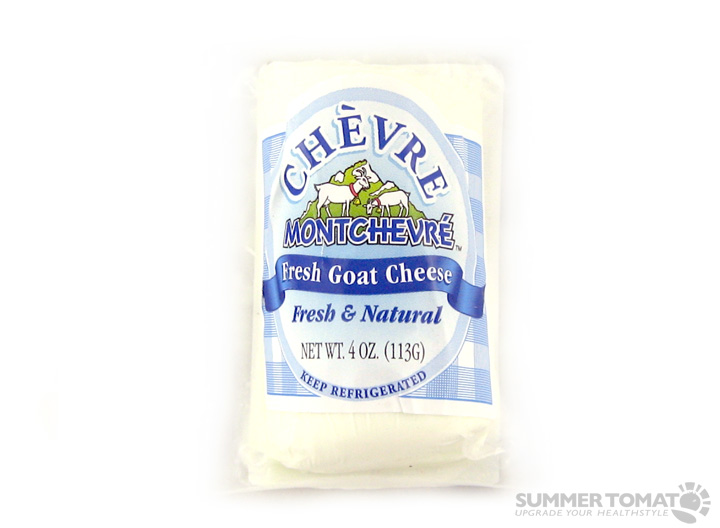
Chèvre is a soft goat cheese that a close friend of mine describes as “like cream cheese only better.” A little bit goes a very long way, so I always buy the smallest amount possible (this time it cost me $2.89).

Chevre

Chèvre

Be careful not to add the cheese directly to hot beets or it will melt and form an unattractive pink slime. It still tastes good, but it’s better to avoid this problem by cooling the beets beforehand. An hour in the refrigerator works well, but if you are in a hurry you can get away with 10-15 minutes in the freezer.

This dish is very easy to scale for large batches, making it ideal for parties and potlucks.

Roasted Beets With Fresh Mint and Chèvre

Ingredients:

  • 1 bunch of beets (3 large), any garden variety
  • 1/2 cup fresh mint leaves, loosely packed
  • 1/4 oz. chèvre, crumbled
  • Olive oil
  • Sea salt or kosher salt

Preheat oven to 375.

If the leaves are still on your beets, twist them off leaving enough stem to use as a handle for peeling. If your beet greens are still fresh and springy I recommend cleaning them and cooking them up with some onions and garlic (cook them like spinach). Beet greens are so full of potassium that they are salty to the taste, so be careful with your seasonings because they are easy to over-salt. Both beets and beet greens are extremely good for people with high blood pressure.

Peel your beets using a vegetable peeler (I recommend this one) and chop evenly into bite-sized cubes. Discard stems. Cubes should be approximately 3/4 to 1 inch on each side. Keep in mind that the larger your pieces the longer they will take to cook.

Add 1-2 tbsp olive oil to beets and toss to coat. Sprinkle beets with salt and place in a single layer in a large Pyrex baking pan. Place in oven on middle rack and roast until beets are tender and have a glazed-like appearance, stirring every 8-10 minutes. Roasting takes approximately 35 minutes.

When beets are finished roasting, transfer them to a large bowl, cover with plastic wrap and place in the refrigerator. Chill for at least 30 min, but 45 min to 1 hr is preferable.

5 minutes before the beets are done chilling, stack mint leaves on top of each other and chiffonade them by rolling lengthwise like a cigarette and slicing into thin ribbons. I like to cut the ribbons in half once by making a single cut through the middle of the pile along the vein of the leaves. Discard the stems.

Using a fork, crumble a small amount of chèvre into a small bowl or plate and set aside.

Sprinkle mint onto the beets and stir, leaving a few ribbons for garnish. Adjust salt to taste. Transfer beets and mint to a serving bowl and sprinkle with chèvre and remaining mint. Serve immediately.

Do you love beets? Hate beets? Interested in having pink urine?

Tags: , , , , , , , , , , , , , ,

Quick Fix: Mexican-style Quinoa Salad

by | May 18, 2009
Mexican-style Quinoa Salad

Mexican-style Quinoa Salad

Cinco de Mayo is one of my absolute favorite holidays. Half my family is Mexican, so I have memories of tacos and Coronas by the pool while basking in the first hints of summer sun. Good times!

Unfortunately this year I was too busy to even go out with friends for some real Mexican food (or at least San Francisco’s version of it). Instead I made a quick, healthy quinoa salad using Mexican herbs and spices to help me feel like I didn’t completely neglect my heritage.

You can find all these ingredients at your regular grocery store. I used arugula, but you can substitute spinach if you prefer. I also recommend being creative with your spices (jalepeño or cumin come to mind). If you have fresh salsa or pico de gallo around you can stir in a spoonful or two at the end to accentuate the Mexican flavor.

I recommend making extra so you have leftovers for lunch the next day!

Mexican-style Quinoa Salad

(serves 2-3)

Ingredients:

  • 1 cup dry quinoa
  • Half bag of arugula or baby spinach
  • 1 avocado, diced
  • 1/2 cup grape tomatoes, halved
  • 1/2 cup chopped red pepper
  • 1 spring onion or shallot
  • 1 clove garlic, minced
  • 1/2 cup cilantro leaves, stems removed
  • Cayenne pepper
  • Lime
  • Tapatio or favorite Mexican hot sauce

Rinse and cook quinoa. Crush and mince your garlic. While your quinoa is boiling, halve your tomatoes and dice your onion and pepper. If using a spring onion, save some of the green onion slices for garnish. Remove the stems from your cilantro. Dice your avocado and sprinkle it with salt.

When your quinoa is finished cooking, heat a frying pan on medium high heat and add 2 tbsp olive oil. Add onions and red peppers and cook on medium high heat until caramelized, about 10 minutes. Add garlic and cook until fragrant, about 30 seconds. Turn off heat and add quinoa, stirring to mix. Fold in arugula or spinach and season with salt and cayenne pepper to taste.

Transfer quinoa mixture to a large serving bowl and add avocado, tomatoes and cilantro. Squeeze in juice of half a lime and add a few dashes of Tapatio or Tabasco to taste. Gently stir, being careful not to mash the avocado chunks.

Adjust salt and spices. Garnish with green onion slices, extra cilantro leaves and a wedge of lime.

Do you try to recreate nostalgic moments with certain spices and flavors?

Tags: , , , , , , , , , , ,

Quick Fix: Collards, Carrots and French Green Lentils

by | Apr 24, 2009
Collards, Carrots and Lentils

Collards, Carrots and Lentils

Last week I wrote about the perfect balanced meal and featured a picture of my dinner the previous night: collard greens, carrots and French green lentils. Since then I have had more than a few requests for the recipe and am happy to provide an encore to the How To Get Started Eating Healthy book.

Lentils are incredibly nutritious and easier to cook than dried beans. They also have the third highest protein content of any plant. A single serving of lentils contains 18 g of protein, 63% of your daily fiber and 37% of your iron in only 230 calories!

That’s more iron than 1,123 calories of prime rib. Remember when I said every plant could be considered a superfood? Well, lentils are no exception.

Lentils and other legumes are also great for weight loss and are a fabulous alternative to grains for individuals who are insulin resistant or diabetic, since they have minimal impact on blood sugar.

For a pan cooked dish, you want lentils that are fairly robust and maintain their shape after cooking. I prefer French green lentils, but standard brown lentils also hold up pretty well. Simply boil them in excess water with a pinch of salt for 20 minutes or so until tender (do not overcook). Strain, then toss them in with your vegetables at the end of cooking just to coat with flavor and heat through. Lentils freeze well, but can be kept fresh in the refrigerator 3-5 days.

In this recipe, kale or chard can easily substitute for the collards. If you want to use spinach, add it last after the lentils. Fold it in and allow it to wilt into the dish.

Collards, Carrots and French Green Lentils

Ingredients:

  • 4-5 collard leaves
  • 4-5 medium carrots
  • 1/2 cup French green lentils, cooked
  • 1 small leek
  • 1 clove garlic
  • olive oil
  • sea salt
  • lemon juice (optional)
  • chopped parsley (optional)

If you are making your lentils from scratch, quickly pick through them for pebbles, give them a rinse then boil them in excess water with a pinch of salt for 20-30 minutes, until tender. Even though I rarely consume more than half cup (cooked) in one sitting, I usually like to cook up at least one cup dry (at least 4 servings) and save the rest for later. Start them boiling as soon as you step into the kitchen and start cooking your vegetables at least 15 minutes after you turn them on.

In the mean time clean and chop your leek and mince your garlic. Peel and slice your carrots at a sharp angle to maximize the surface area for cooking. Clean your collard leafs, chop off the stems then stack them on top of each other in a pile. Cut into one inch squares, removing any sections that have thick pieces of stem.

Heat a pan on medium heat, then add olive oil. When the oil swirls easily in the pan, add the leeks and allow to cook for 1-2 minutes, until the pieces break up and become tender and translucent. Add carrots and stir. Cook 2 minutes, then add collards. Sprinkle with sea salt and continue to cook, stirring occasionally.

Be careful with your heat when pan frying collard greens–don’t let it get too high. The leaves easily trap steam from cooking, and I had a few jump out of my pan onto the floor. They make a loud popping sound too, which is very exciting. If it makes you feel safer, you can cover the greens for the first minute or two while they soften.

Shortly after the collards turn bright green from cooking (4-5 minutes), clear a space in the center of the pan and add your minced garlic in a single layer (you can add a touch more oil if necessary). Let garlic cook 30 seconds or so until fragrant, then add the lentils and mix with the other vegetables. A squeeze of lemon juice, zest or a dash of vinegar is a good addition here, if you like. A sprinkle of your favorite herb, e.g. Italian parsley, basil or thyme, adds depth and complexity if you have them around.

Continue cooking 3-4 more minutes, stirring every 30 seconds. If you are using cold lentils, cook until warm. Adjust salt and serve.

This dish is wonderful as a main course, by itself or with brown rice. It can easily be scaled to accommodate a large crowd if you have a big enough pan.

What flavors do you love to pair with lentils?

Tags: , , , , , , , , , , , , ,

North African Couscous With Beans and Cauliflower

by | Mar 16, 2009

Moroccan cauliflower stewA little over a month ago I published a recipe for a warming Moroccan vegetable tagine. As would be expected from a tagine, the recipe (modified from Mark Bittman’s blog Bitten) contained dried fruit and was spiced almost like a dessert (with cloves and cinnamon) but with a rich, savory undertone.

Last week I tried a thinner, spicier variety of North African soup. Again from the New York Times, this stew was loaded with beans and vegetables and is served on a bed of spiced couscous. More brothy than the tagine, this recipe packs a unique heat that gives it a completely different feel from its richer, sweeter counterpart.

Since North African cuisine is unfamiliar to most Americans, it is my pleasure to showcase its delicious versatility.

I changed the recipe slightly from the original version, mainly in the interest of time. Personally I have no patience for beans to cook, so I used a pressure cooker then added the beans to the soup later rather than cooking them in the broth itself (which takes hours). To replace the bean soaking water that the recipe calls for, I substitute 1 qt chicken (or vegetable or beef) stock and some of the bean cooking liquid. In my opinion, this change does not have a big impact on the flavor. It may even improve it.

Also, after following the original recipe I thought the soup tasted a little dull. I rescued it with the juice of a Meyer lemon, which really highlighted the depth of spice and flavor in the dish.

I made my harissa from a powdered mix I bought a few weeks ago from Tierra Vegetables at the Ferry Plaza Farmers Market. They told me it is the one used at Chez Panisse (when on the menu). I know, I’m spoiled rotten.

I will provide a recipe here for making your own. If you have a blender or food processor, the recipe is not terribly difficult to follow. You will make more than you need for one soup, but you can freeze the rest indefinitely. It is a wonderful spicy sauce that is great on meats or in stews. I realize that making harissa is a little intimidating, but it is amazingly delicious and is definitely worth the extra work. It really isn’t that hard either.

Alternatively, Whole Foods and other specialty stores often carry pre-made harissa.

North African Couscous With Beans and Cauliflower

Harissa:

  • 6 dried ancho chilies
  • 2 garlic cloves, peeled, crushed and minced
  • 1 tsp salt
  • 2 tbsp cumin seeds
  • 1 tbsp caraway seeds
  • 1 tbsp coriander seeds
  • 1 ripe tomato, peeled, seeded and coarsely chopped
  • 0.25 – 0.5 cup olive oil

Gently rinse chilies or wipe off dust with a damp cloth. Remove and discard the seeds and tops of the chilies and soak them in hot water for half an hour. Discard the soaking water, cut up the chilies and place them in a blender with all other ingredients except the olive oil. Blend into a smooth paste. Remove the paste from the blender and slowly mix olive oil into the mixture. DO NOT overwork the olive oil, it can become very bitter if you are not careful with it.

Stew Ingredients:

  • 1 large cauliflower, cut into bite-sized florets
  • 2 cups dried white beans, soaked in 2 qts water overnight
  • 1 qt chicken or vegetable stock
  • 1 cup frozen petite peas, thawed
  • 1 medium onion, diced
  • 4 large garlic cloves, minced
  • 2 tbsp tomato paste
  • 1 tsp coriander seeds (or 0.5 tsp ground)
  • 1 tsp caraway seeds (or 0.5 tsp ground)
  • 2 tsp cumin seeds (or 1 tsp ground)
  • 2 tbsp harissa (recipe above)
  • Meyer lemon juice to taste (half lemon)
  • 1 cup chopped fresh Italian parsley
  • 2 cups couscous (whole grain is slightly better)
  • 0.5 cube chicken bouillon
  • 1 tbsp olive oil
  • Kosher or sea salt to taste

Put beans in a pressure cooker and follow the instructions for cooking the kind of beans you are using. In the meantime if you are grinding your own spices, toast them lightly for a few minutes on a skillet then grind them into a fine powder in a spice grinder. Set aside. (You can use these same spices to add to the harissa, just double the amount then split it in half.)


In a large soup pot, heat olive oil and add onion. Cook, stirring regularly until the onions are tender and translucent, about 5 minutes. Add garlic, ground spices and 0.5 tsp salt. Cook and stir spices until fragrant, about 1 minute, then add the stock, 1 extra qt of water, the harissa and tomato paste (I recommend the kind in a tube, which keeps indefinitely once you open it). Bring the mixture to a boil then reduce to a simmer. Remove 0.5 cup of broth and set aside.

Add cauliflower florets to the simmering broth and cook, partially covered for 20 minutes. Your beans should be done by the time the cauliflower is tender. While the stew is simmering, follow the instructions on your box of couscous and substitute the broth you reserved for 0.5 cup of water, also adding the half bouillon cube.

There is something of an art to getting couscous to cook right. I usually end up adding slightly more dry couscous than the box calls for using the given amount of water. After boiling the liquid and removing it from heat, if when you add the dry couscous to the pot you cannot see individual grains under the liquid surface, then I would add slightly more couscous until you can just see it, like pebbles in shallow water. I know this is vague, but I always have to eyeball it to get it right. It’s not the end of the world if you’re off a little, since this is going into a soup anyway.

Also be careful while your couscous is steaming. Steam it (covered) exactly 5 minutes then fluff it immediately with a fork (be gentle with the grains). Over-cooking or over-watering your couscous will make it clumpy and gummy–not ideal.

When your simmering cauliflower is tender, add all the beans and 1 qt of their cooking liquid. Return the pot to a simmer and add lemon juice, salt and adjust harissa as desired. You may need to add the juice of the entire lemon. It should be bright and spicy. Stir in peas, parsley and simmer 5 more minutes.

To serve, scoop a large spoonful of couscous into the bottom of a bowl and a generous portion of the stew on top. Garnish with additional parsley and harissa.

I am very interested in your experiences with making or buying harissa. Any suggestions or recommendations are appreciated.

Tags: , , , , , , , , , , ,

FAIL: The Wild Radish Rapini Challenge

by | Mar 11, 2009

Want to get people to eat more vegetables? One way NOT to accomplish it is to have them eat something that doesn’t taste good.

I tried a recipe for radish rapini (radish greens) this weekend that really let me down. The rapini itself was delicious, but overall the dish was a huge disappointment.

All is not lost, however. I’d be willing to bet just a minor tweak could transform this dish from cloying to classic!

The Challenge

You might remember that Saturday at the farmers market I was challenged by Knoll Farms to buy and prepare some of their wild radish rapini. I didn’t really accept the challenge, which would have involved giving them my name in the event that I seriously wanted my money back after trying it (I still don’t). But I did buy their greens and borrow their recipe.

Admittedly it was a mistake on my part to tell you guys I would try this recipe before really reading it (I have a tendency to skip this critical reading step before deciding to cook something–probably not the best habit). But once I made the commitment I didn’t want to mess with the recipe too much.

In retrospect I wish I had gone with my gut on this one and altered it anyway.

My Main Complaint?

Their recipe called for equal parts coconut oil, raw honey and tahini. Tahini I can understand. It has a wonderful rich, smokey flavor that I use on greens regularly. I have no experience with coconut oil, but have heard good things and was interested in trying it.

Honey is a different story.

Personally I would never put honey on greens. Raw or “healthy” or whatever, sugar is sugar. It is hard enough to avoid sweets in this food culture without adding sugar to vegetables.

My brain warned me of all these things. But for you, dear readers, I followed the recipe anyway.

Taste

From a culinary perspective, the honey was just as unsavory (um, pun intended). I freely acknowledge that there are a few dishes where a touch of honey/sweetness can add a nice element and heighten the dish. I was willing to give the Knoll folks the benefit of the doubt for 2 reasons:

  1. I have never had “raw” honey and thought maybe it would taste different than the honey I was used to. It didn’t.
  2. I thought there was a chance the sweetness would balance the smokey flavor of the tahini (I was dreaming of Hawaiian BBQ). Maybe a different ratio of honey and tahini works, but it certainly doesn’t at 1:1.

So from my perspective the dish was too sweet. Sickly sweet. The honey completely overpowered the brightness of the greens (which were wonderful!). If I had to change only one thing in this dish, I would substitute Meyer lemon juice for the honey.

I bet that would be good! It could also use some garlic.

The Recipe

When I cooked the greens I followed their recipe exactly. I blanched them for ~4 minutes until they were bright green, squeezed out the water and cut them up. The taste test I did at this point was really encouraging.

I premixed the wet ingredients. Both the coconut oil and the honey were solid at room temperature so I microwaved them for 15 seconds.

When I tasted the dressing at this point I knew it would be too sweet, so I only used about half of it. I had already halved the dressing ingredients because I had fewer greens than the recipe called for, so there is no chance that I had simply “over-dressed” the greens. The dressing was bad. Really bad.

Tempeh

To make a complete meal I cooked up some tempeh to toss with the dish. Tempeh is an Indonesian-style fermented soy product. It is an interesting ingredient that takes some getting used to, but once I figured out how to cook it I fell in love with it. For herbivores and omnivores alike, it is a great source of protein that adds both depth of flavor and nutrition to any vegetable dish.

I prepare tempeh by thinly slicing it and lightly cooking it in olive oil until golden brown. (In this recipe I thought I might try something new and cook it in the coconut oil, and it was a complete disaster. It started smoking almost instantly and I had to add olive oil to the pan to prevent excessive burning.) After it has browned slightly on both sides I toss in a few tbsp of light soy sauce, which quickly sizzles, caramelizes and coats the tempeh.

It is important to keep stirring constantly (it could be described as “frantically”) for about 30 seconds after adding the soy sauce then immediately remove the tempeh from the pan. If you try this at home, be extra careful not to burn it.

Usually I eat tempeh tossed with either kale or broccoli shoots pan fried with garlic, served on a bed of brown rice. I guess it is ironic that my favorite garnish is a drizzle of tahini.

In this case I added the tempeh to the rapini greens. The whole thing was okay, but rather unsatisfying compared to my normal dinners. I probably should have tried this recipe instead.

Conclusion

All in all, this is not the recipe I would choose if I wanted to get people to like a new vegetable. In my experience the best way to get someone to appreciate something new is to add bacon.

Maybe next week I’ll try wild radish rapini again with my own recipe, or maybe something new and exciting at the market will distract me. We’ll see.

Share your favorite recipes (or links) for great ways to cook unusual foods!

Tags: , , , , , , , , , ,

Pea Greens With Carrots And Scrambled Eggs

by | Feb 25, 2009

peas and carrotsThis is exactly why I encourage you all to go to the farmers market. Last weekend I picked up these beautiful pea greens and carrots from Capay Organics and turned them into this magnificent Sunday brunch with scrambled eggs.

I would not necessarily have chosen to put carrots in this mix, but I had them in my fridge and they were so deliciously sweet I couldn’t resist. Besides, having peas and carrots together gave the whole dish a quaint, Forrest Gump-like feel that made me all cozy on this rainy weekend.

If you do not have pea greens, you can easily substitute spinach or any other green. Since the greens are the bulk of this dish, I would recommend you use the bunch, big-leafed spinach rather than bagged baby spinach to get the closest approximation. If you choose a thicker green like chard or kale, you will need to increase the cooking time for the greens. See these recipes for details: chard, kale.


Pea Greens With Carrots And Scrambled Eggs

Ingredients:

  • 1 bunch of pea greens or spinach
  • 2 sweet, fresh carrots
  • 1 garlic clove
  • 1 baby leek
  • 2 eggs
  • 1 tbsp water
  • olive oil
  • salt and pepper

Crack 2 eggs in a large bowl and add 1 tbsp cool water (tap okay). Use a whisk or fork to beat the eggs until they are frothy. Don’t be lazy, do a good job!

Rinse your greens carefully, making sure no loose dirt is hidden between the leaves. Coarsely chop the leaves and remove the thickest parts of the stems. In my experience, the tendril part of the peas were quite woody, even though they looked thin and delicate. You probably want to remove the larger ones of these as well. If there are flowers in your pea greens, you can keep them to add color to the dish.

Mince
your garlic. Clean your leek and cut it into 0.5 inch pieces.

Peel your carrots and slice them into angled 0.25 inch slices. The angled cut increases the surface area for cooking.

Heat 1-2 tbsp olive oil in large skillet until it swirls easily in the pan. Add carrots and cook 2 minutes, turning occasionally. Add pea greens, sprinkle on sea salt and turn. Allow greens to cook and wilt for about 3 minutes until bright green, stirring occasionally.

Clear a space in the center of the pan and add garlic in single layer. Allow garlic to cook until fragrant, about 30 seconds, then stir in with the greens. Allow vegetables to cook another 2-3 minutes and remove from heat.

While vegetables are cooking, begin heating another pan on medium-high heat. When the vegetables are finished cooking, add 2-3 tbsp olive oil to the pan and swirl immediately. Add leeks and cook them until they begin to become translucent and just start to brown, about 90 seconds.

Distribute leeks evenly throughout the pan and gently pour eggs on top of them. Sprinkle sea salt and freshly ground pepper onto the eggs. After the eggs have sat in the pan 20-30 seconds, use an egg turner to slowly scrape the eggs away from the sides of the pan, tracing a circle around the edge (where it cooks faster) then into the center. Be sure that no part of the eggs are in contact with the pan for too long. You do not want the eggs to brown at all.

Be patient and move your hand slowly, but do not stop pushing around the eggs until they begin piling onto one side of the pan. Turn off heat immediately when this happens. The eggs will still be runny, but will continue cooking while the heat is off.

Even with heat off, do not allow one part of the eggs to stay in contact with the pan for too long. Move them to a plate as soon as possible.

Transfer vegetables to the plate and serve with a warmed chunk of baguette.

If you would like this to serve 2 instead of 1 person, increase the number of eggs to 4 or 5 and maybe add one more carrot. There will be enough greens to go around.

Have you ever cooked pea greens?

Tags: , , , , , , , , ,

Fennel, Tomato and White Bean Soup

by | Feb 13, 2009

The fennel at the farmers market has been particularly beautiful lately. I bought one last week without having a real plan of what to do with it. When Sunday night rolled around and I realized I had not made my lunch soup yet, this recipe from Splendid Soups seemed like the way to go.

I made a few modifications to suit my needs. First, my corner store didn’t have any large white beans dry (I like to avoid canned beans–it’s a taste thing), so I used their small ones. They turned out well, and cooked a lot faster than the big kind. Also, this time of year I can’t help but put Meyer lemon juice in everything. It’s like sugar only better.

One other thing is that this recipe calls for 18 garlic cloves (that’s not a typo), which is essentially an entire bulb. I was taken aback by the number but decided to just follow the instructions. In retrospect it was a little too garlicy for me (stank up the fridge). Next time I might use 10-12 and see how that works. Up to you.

Fennel, Tomato and White Bean Soup

(5 large servings or 8 first course)

Ingredients:

  • 1 fennel bulb
  • 1 medium-sized sweet onion, finely chopped
  • 10-18 garlic cloves, peeled
  • 1 28-oz can diced tomatoes, drained
  • 1 qt chicken broth
  • 1 bouquet garni (e.g. 2 sprigs marjoram, 1 sprig rosemary , several sprigs parsley, tied with string)
  • 1 cup white beans, cooked until tender (1 can cannellini beans okay)
  • 0.25 cup parsley, finely chopped
  • Juice of 0.5 Meyer lemon
  • Excellent olive oil
  • Fresh ground salt and pepper
  • Crusty bread or quinoa

If you are using dry beans and cooking them in a pressure cooker, you can put them on the stove first and they will be ready by the time this recipe calls for them. I soaked small white beans 1 hour before putting them in the pressure cooker 15 minutes. It takes another 10 minutes or so for the pressure cooker to re-pressurize.

Rinse and remove a few handfuls of the fuzzy greens from the fennel, coarsely chop and set aside. Cut fennel in half longways, cut off bottom, remove core and discard. Lay fennel cut side down, cut in half one more time longways and thinly slice.

Combine fennel, onion, garlic, broth and bouquet garni in 4 qt pot. Gently simmer about 15 min, until vegetables soften. Add tomatoes and simmer another 10 minutes.

Remove bouquet garni. Add beans and 0.5 cup of their cooking liquid. If using can beans, rinse them and do not add liquid. You can use more broth or water if you want your soup thinner. Add parsley, reserved fennel leaves and lemon juice. Adjust salt.

When serving, drizzle with olive oil and garnish with freshly ground sea salt and pepper. Fresh baked country bread is amazing with this recipe, but 0.25 cup of quinoa at the bottom of your bowl is a great alternative.

Let me know how it turns out!

UPDATE: One reader had a bad experience with the rosemary in this recipe. You might consider leaving it out or trying a different herb. Also, saffron is a nice addition to this recipe.

Tags: , , , , ,

What To Do With A Tasteless Tomato? Pasta Primavera!

by | Feb 11, 2009

It is no secret that I love summer tomatoes. A big, sweet brandywine in August with some olive oil and basil comes pretty close to my idea of perfect. So on Saturday I fell victim to one of the siren songs of late winter: the perfect looking, tasteless tomato.

I knew there was almost no chance of these tomatoes being good, but I told myself it was my duty to my readers to try all the produce at the market. So I bought one. But the truth is they looked beautiful and it had been months since I had a good market tomato–I wanted it so bad I couldn’t resist.

In my anticipation I sliced it open and took a bite first thing when I got home. Sure enough, it was flavorless. There was no way that I could eat this thing solo like I would have preferred, but I didn’t want to throw it away. Tasteless tomatoes aren’t any cheaper than good ones!

One great way to salvage a bad tomato is by cooking it up with a bunch of fresh vegetables, tossing it with olive oil and garlic and putting it on pasta. Voilà! Perfect late winter (early spring?) pasta primavera.

Late Winter Pasta Primavera

Ingredients:

  • Small head romanesco broccoli or cauliflower, rinsed and cut into bite-sized florets
  • 0.5 cup chickpeas
  • 1 shallot, finely diced
  • 1 medium beefsteak tomato, diced into 0.5 inch cubes
  • 1 large or 2 small garlic cloves, minced
  • 0.25 cup Italian parsley, finely chopped
  • 0.75 cup rigatoni or 0.5 cup penne pasta
  • Zest and juice of 0.5 Meyer lemon
  • 0.25 cup room temperature water
  • Excellent cold-pressed extra virgin olive oil

Boil 2 qts of water in a pot with 0.5 tsp salt and 1 tbsp olive oil. Add pasta and cook until al dente (about 12 minutes for rigatoni).

Sprinkle diced tomato with sea salt and fresh ground pepper, set aside.

While the water is heating up, add 1 tbsp of olive oil to a pan on medium heat until it swirls easily. Add shallot and cook until it becomes translucent, about 2 minutes. Add romanesco and stir. Sprinkle with sea salt and pepper and cover, 2 minutes. Remove lid, stir and add 0.25 cup water and cover again. Allow to steam 4-5 minutes, stirring once or twice.

When romanesco is brightly colored and becoming tender, add 1 more tbsp of olive oil and stir. Add chickpeas. After 2-3 minutes, clear a spot in the center of the pan and add garlic. When garlic becomes fragrant (about 30 seconds), mix it with the rest of the vegetables. Be careful not to damage the chickpeas.

Add raw tomatoes, chopped parsley and lemon zest (all) and juice (to taste). Mix. Turn off heat and let stand at least one minute. Tomatoes should subtly wilt.

Add strained pasta to the vegetables in your pan. Toss mixture and adjust salt and pepper. Serve immediately.

Have you ever bought a horrible tomato because it looked so beautiful?

Tags: , , , ,

Healthy Lunch: Moroccan Vegetable Tagine

by | Feb 6, 2009

If you really want to be healthy, you need to find a way to prepare most of your meals yourself. Eating out is fun and if you are careful you can avoid too much damage, but when you find yourself at restaurants multiple times per week chances are you will have a lot of trouble maintaining a healthy weight.

For many people, lunch on weekdays (at work) is one of the hardest meals to make healthy because bringing your own food requires planning and preparation, which is difficult on a busy schedule. There can also be powerful social pressures at the office to do what everyone else is doing, and that usually means hitting up the local restaurants.

I have combated this lunch issue with delicious food and a little planning. During the summer I make seasonal, fresh salads that are the envy of everyone at the office (aka lab). But since tomatoes and my other favorite salad treats are not available in the winter, I have been on a quest to find the perfect cold weather lunch.

Soup has been the winning ticket so far. The chicken chard soup I posted a few weeks ago was satisfying, delectable and lasted me the entire week. This past week I made red lentil Indian style soup following a recipe from Splendid Soups, my favorite soup cookbook (sorry, no post on this one).

This week I modified Mark Bittman’s Moroccan tagine recipe, skipping the chicken and adding some beautiful romanesco broccoli instead. A tagine is a thick and hearty Moroccan stew made with spices, chickpeas and dried fruit.

Normally a tagine is served with spiced couscous, but I didn’t have any so I used red quinoa I found at my corner market, Valencia Farmers Market (24th Street and Valencia). At first I was really mad at myself for forgetting I was out of couscous, but the red Inca quinoa was amazing and in the future I may actually prefer it for a lunch recipe like this.

Quinoa is substantially healthier than couscous, which is not whole grain.

Bittman’s recipe was quick and easy because I made the chickpeas the day before in my pressure cooker. It was simple and perfect for my lunch this week.

But if you want a tagine that is the real deal (harissa and all), I recommend the recipe from Splendid Soups.

Moroccan Vegetable Tagine

Ingredients:

  • 1 medium head romanesco (or cauliflower)
  • 1 medium onion, halved and thinly sliced
  • 1 28-oz can of diced tomatoes, drained
  • 3 cups chickpeas, cooked (or 2 cans, drained and rinsed)
  • 2 garlic cloves, minced
  • Pinch nutmeg
  • 0.5 tsp ground cinnamon
  • 1 tsp ground ginger
  • 1 tsp ground cumin
  • 1 tsp ground coriander
  • 0.5 tsp ground black pepper
  • Pinch cayenne pepper
  • 0.5 cup diced dried apricots (or golden raisins or dates)
  • 0.25 cup sliced almonds, toasted

Bittman adds half a vanilla bean and cautions not to use extract. I didn’t have a vanilla bean so I just left it out. Also it appears I forgot to add the parsley. Feel free to use it as a garnish, I’m sure it would be a nice addition.

Saute onions in 2 tbsp of olive oil until tender and soft, about 5 minutes. Add garlic and spices and stir until fragrant, 30 seconds. Add romanesco pieces, salt and continue to saute for another 5 minutes.

Add tomatoes, chickpeas and dried fruit and bring to a boil. Turn heat down and simmer. Taste and adjust salt. You can add 0.5 cup of water if necessary, but keep in mind a tagine should not be very fluid. Cover and allow to simmer 30 minutes, or until romanesco is tender. Stir occasionally.

While the tagine is simmering, rinse and cook quinoa according to the instructions on the box (takes 15 minutes). You can also toast your almonds during this time if you haven’t already. I tried to toast mine on a cookie sheet in the oven, but forgot about them (as usual) and they burnt. I toasted a new batch in a non-stick pan on the stove. Toast nuts on medium-low heat without oil, turning occasionally for about 5 minutes. If you prefer to use the oven, set a timer!

To serve scoop half a cup of cooked quinoa into a bowl and cover generously with tagine. Tagine is very hearty, so an additional side dish is probably not necessary. Sprinkle with toasted almonds and serve immediately.

This recipe has fed me 1 delicious meal per day for 4 days.

Tags: , , , , , , , , , , , , , , , ,