Sign up

You deserve to feel great, look great & LOVE your body

Enter your email for your FREE starter kit to get healthy & lose weight without dieting:

  • This field is for validation purposes and should be left unchanged.

Farmers Market Update: Reno

by | Nov 20, 2011

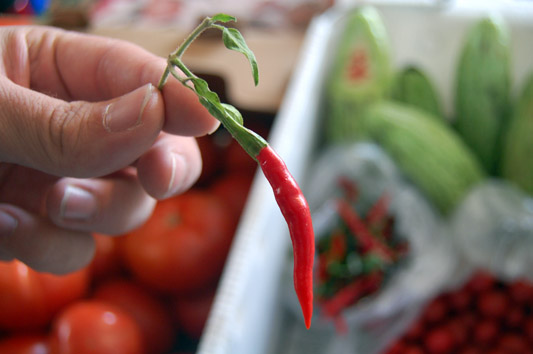
Tiny Chili

Ashley Hennefer is the Green Editor at the Reno News & Review, the editor of Wildflower Magazine, and a graduate student the University of Nevada, Reno. Born and raised in the Bay area, she’s lived in Northern Nevada for ten years and has fallen in love with its agricultural community and environment. Check out her personal blog, follow her on Twitter or add her on Facebook.

Farmers Market Update: Reno, Nevada

By Ashley Hennefer

We Nevadans love our agriculture, and here in Northern Nevada we have a unique and vibrant farmers market culture. While our unpredictable weather has its perks—including our beautiful snow-capped Sierra Nevada mountain range and an abundance of frost-thriving apple trees—it also means that our farmers market season is short. By mid-September, nearly all of our markets are closed. We have a great local food co-op in Reno and several of our farms are open throughout the year, but that’s about it. Luckily, Reno’s Garden Shop Nursery has begun hosting an indoor farmers market on Sundays from 10 a.m.-3 p.m., and last weekend I checked it out.

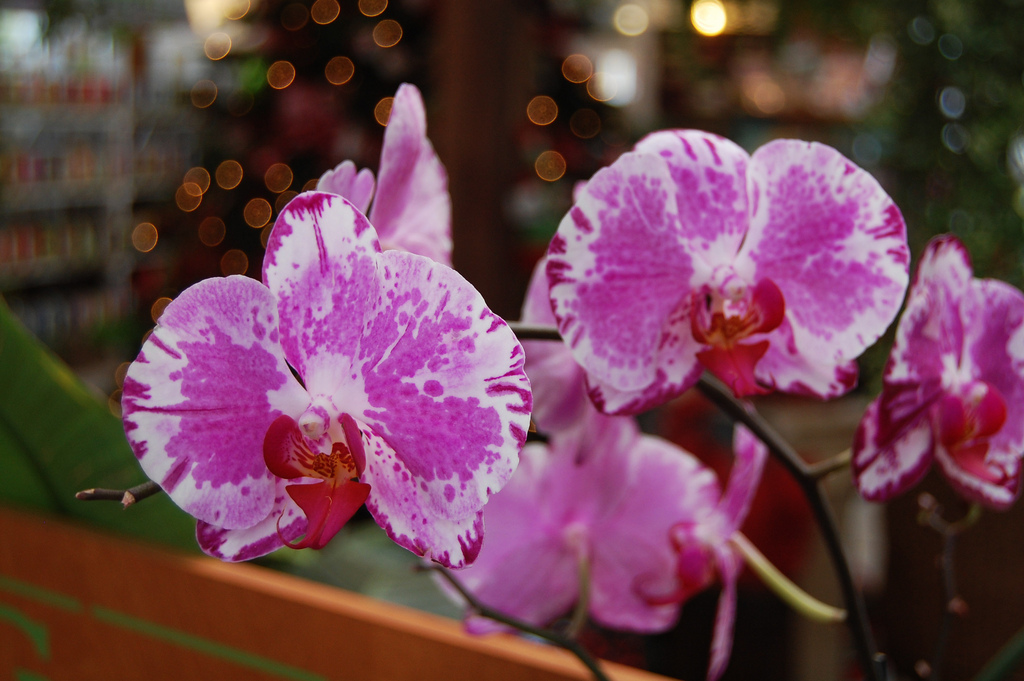
The Garden Shop Nursery is especially beautiful during the fall and winter months, especially with all of their beautiful flowers.

orchids

Orchids

I’m thankful that it is close to my house so I can still go to the market even when it snows. I was not expecting the market to be very big—and I was right. The little market was tucked away in the back corner of the nursery. However, the vendors and Garden Shop Nursery staff did a great job setting up all of the tables. There was a pleasantly decent selection of items to choose from, and all of the vendors from Nevada and California were enthusiastic and passionate about their products.

I had an idea of what I wanted to purchase: I’ve been on soup-making kick, so I wanted to find a few items to use for that. I also wanted to find some great seasonal items, and maybe a few things I’d never tried before.

Despite the size of the market, everything was nicely displayed in baskets and bins. I got there around half way through the day and there was a crowd, although it may have just seemed that way because of the size of the room. It was warm and cozy and everything smelled great.

I first stopped to check out the onions, garlic, potatoes and squash. We picked three onions and a small spaghetti squash.

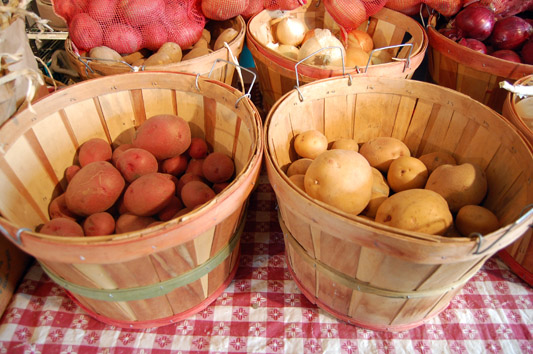
Onions and Potatoes

We use garlic often in my household but I passed on it this time since I am growing some of my own. I also passed on potatoes, although they looked tempting displayed in their baskets.

Potatoes

Because we got there after the initial rush, we missed some of the items, like farm fresh eggs (bummer!), which sold almost instantly according to the vendor. The vendor also had other items on display such as locally made pet food, salsa and tortilla chips.

Pet Food

I passed on all of these, although I tried a sample of the salsa and it was delicious. It’s on my list for this week’s shopping!

Another vendor, who had ventured to Reno from Northern California, had an eclectic assortment. His produce was very colorful and unique.

Colorful Produce

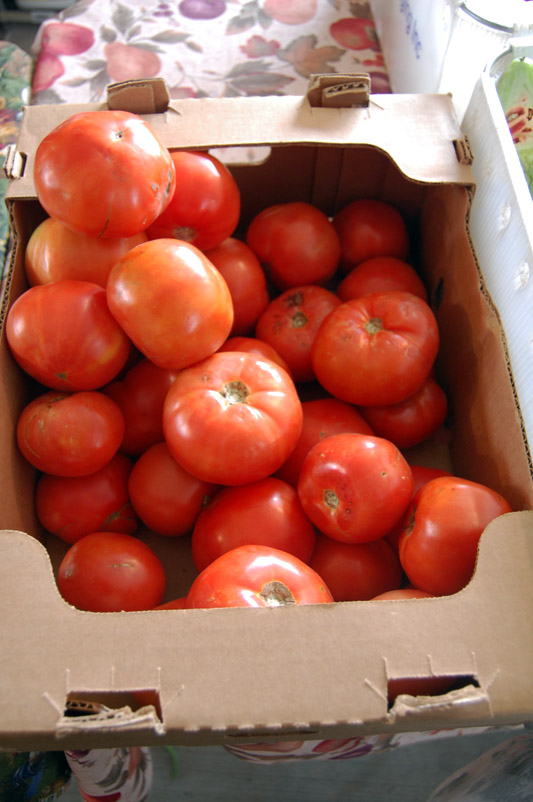
I could eat tomatoes 24/7 but they are hard to come by at this time of year since our climate is harsh on these types of plants. I did score a few, which ended up being flavorful but not nearly as much as the ones I had a few weeks earlier (one of the many sacrifices we Nevadans make).

Tomatoes

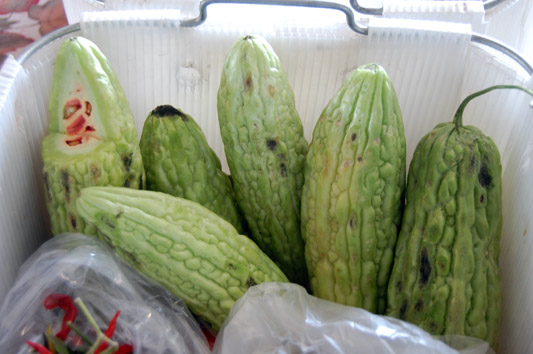
There were some bitter melons available, which I think are really cool looking, but these ones looked a bit moldy.

Bitter Melon

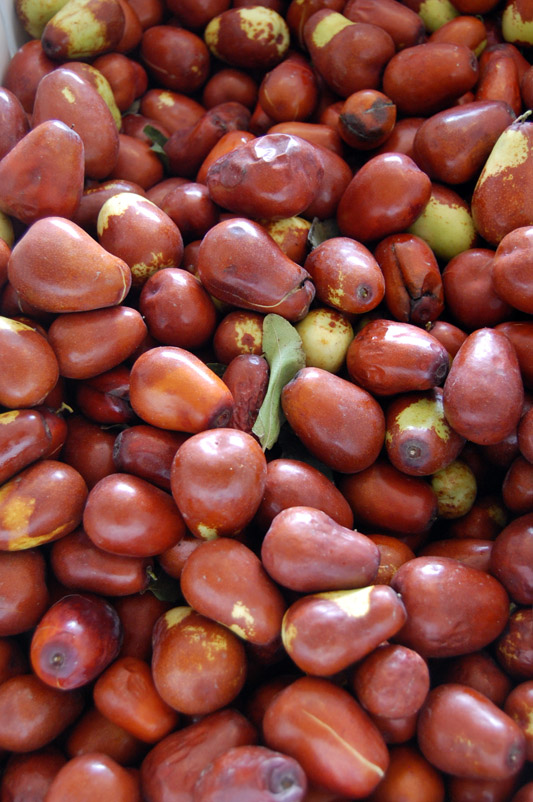
I was surprised at the presence of jujubes—which I’ve actually never had before! I didn’t really know what to do with them so I didn’t get any but if there are some this weekend I might try them out.

Jujubes

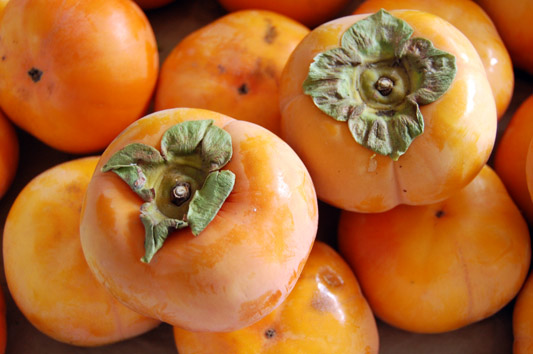
There were also persimmons, which I’ve never had before either. I recently saw an interesting recipe for using them on a pizza and figured I’d give it a try, plus their lovely orange color was too tempting to pass up.

Persimmons

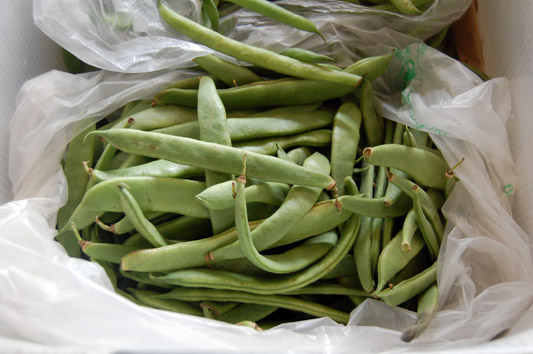
Green beans are a favorite of mine and I snagged some before they were all gone.

Green Beans

Pomegranates are one of my favorite seasonal foods and the vendor had a nice selection, including this giant one! This photo doesn’t do it justice but this is definitely the largest pomegranate I’ve ever had.

Large Pomegranate

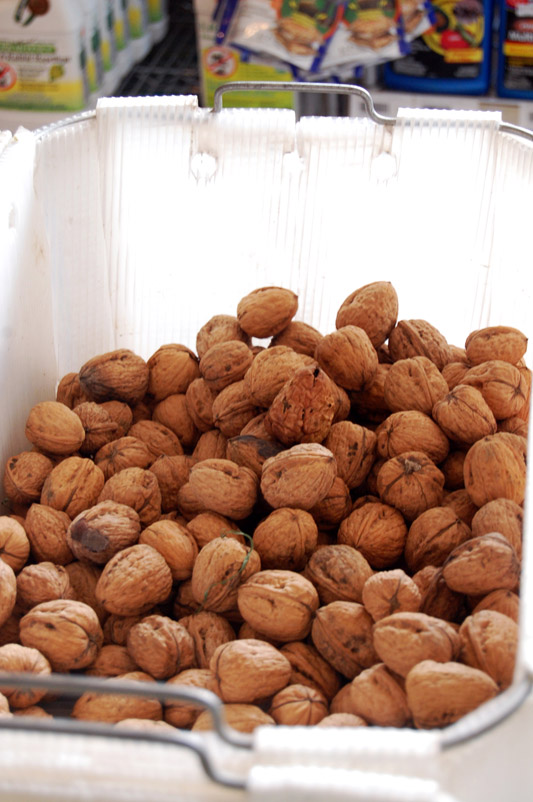
There were also walnuts which I thought would be great on the persimmon pizza I plan to make.

Walnuts

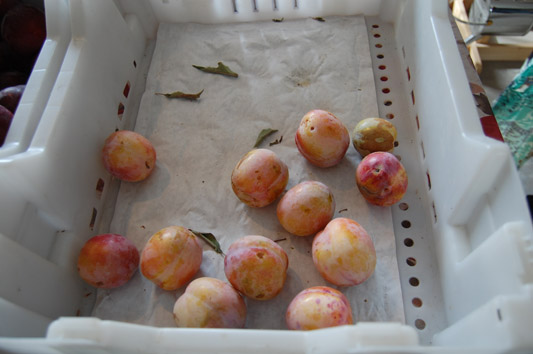
We got some red and black plums but the bin for the white was nearly empty already.

White Plums

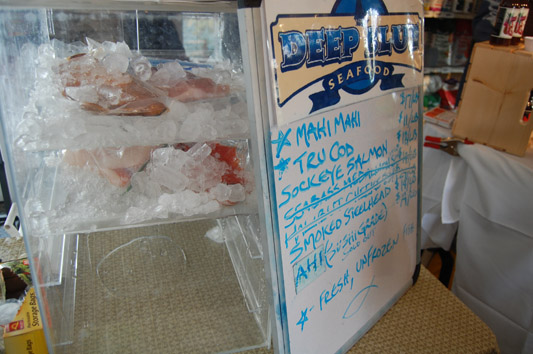
After our bag was heavy with fruits and veggies, we headed to the meat area. We have some amazing farms around here and I really wanted to get some fresh cuts. I was surprised to see a fish vendor, who had also traveled from California, but he had sold most of his inventory. I’m curious to see what he will have available this week.

Fish

I could smell the sausage from Collis Ranch table several feet away. Luckily they were giving out samples (I love free samples).

Sausage

We bought two packages of sausage since we rarely eat it—one spicy and one mild–and both types were delicious.

There were other items at the farmers market like olive oil concoctions, handmade bags and jewelry, but I’m kind of a traditionalist and chose to stick just with food. I was surprised at how many items we were able to get even at a small market. I plan to visit weekly, and as much as I love Nevada winters, I look forward to what the spring brings.

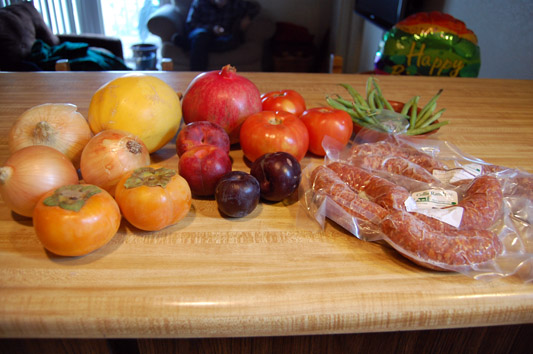
Bounty

My bounty (pictured above):

  • Tomatoes
  • Onions
  • Black plums
  • Red plums
  • Persimmons
  • Green beans
  • Small spaghetti squash
  • Sausage from Collis Ranch

Want to share your farmers market with Summer Tomato readers? Read the guidelines then drop me an email!

Tags: , , , , ,

Farmers Market Update: Dia de los Muertos, Guatemala

by | Nov 13, 2011
Guatemala

Guatemala

Karen Merzenich is a former pastry chef from San Francisco. She writes (mostly) about recipes and travel at Off The Meat(Hook). You can also follow her on Facebook and Twitter (@offthemeathook).

Farmers Market Update: Dia de los Muertos, Guatemala

by Karen Merzenich

Last week I was traveling in Guatemala and had the great pleasure of visiting a farmers market in Santiago de Sacatepequez, a town that’s about a 30 minute drive from the main Guatemalan tourist town of Antigua. It was a festival day, so the market was in full swing.

One common Guatemalan fruit for sale is the nispero. I have never heard of this fruit before, but when I looked it up it was translated as “sapopilla” or “naseberry.” It was described as being similar to a plum, but a little more tart and with a mango-like fibrous pit. Guatemalans eat nisperos raw, and they also use them to make wine. I love how they’re displayed on a bed of banana leaves.

Nisperos

Nisperos

I was surprised to see rambutans in Guatemala – I always assumed they were only grown in Asia. In Guatemala, they are called momochinos.

Rambutans

Rambutans

Avocados grow wild all over Guatemala at this time of year, and many indigenous people make a living by collecting wild avocados in big bushels and selling them to vendors or at the market.

Avocados

Avocados

Radishes are in season too, and on many menus at this time of year. Here a young girl displays them on a piece of hand-woven Mayan cloth.

Radishes

Radishes

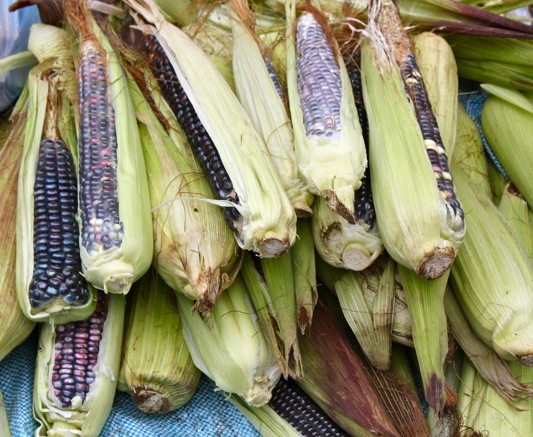
By November, the corn growing season is nearing its end, but you can still find maiz negro (black corn) for sale, raw or roasted.

Black Corn

Black Corn

The black corn is also ground to make masa (dough). for black tortillas, which have a very distinct flavor compared to the white or yellow corn tortillas. Women roll the masa heavily over a piece of volcanic rock. Then, they pat them into thick tortillas and toast them on a large flat metal plate over an open fire.

Making Black Corn Tortillas

Making Black Corn Tortillas

Some market vendors don’t even set up a stall—they just sell what they have off the back of their pickup truck.

Pickup Truck Vendors

Pickup Truck Vendors

I had specifically visited Santiago de Sacatepequez at this time of year so I could attend their well-known Dia de los Muertos (Day of the Dead) celebration. November 1st is an official holiday for Guatemalans—so they can spend the day in celebration of their deceased friends and family members. In Santiago, the day’s activities combine elements of Catholicism with Mayan traditions. Because it was a festival day, there were special kinds of food for sale, like these half chickens with cooked eggs inside and whole fried lake fish.

Chicken With Eggs

Chicken With Eggs

Another special food people eat on this day is sweet potatoes, yams, pumpkins, or small plums cooked in a cinnamon-infused brown sugar syrup. Sticky, sweet and tasty!

Sweet Potatoes and Plums

Sweet Potatoes and Plums

On Dia de los Muertos people come to Santiago from far and wide and converge on the cemetery. The families spend the morning painting the graves with bright colors. Once the paint is dry, they buy marigolds and other long-lasting flowers, evergreen wreaths, and pine needles to adorn the graves. The fragrant pine needles from the surrounding hills are not only used on Dia de los Muertos but for weddings, birthdays, anniversaries, and other important holidays. (When I explained that we only use green wreaths for Christmas in the U.S., they thought it was crazy.)

Decorated Graves

Decorated Graves

As the day goes on, people sit on and around the graves and enjoy a special lunch. Many splurge on the variety of freshly grilled meats available in the market.

Grilled Meat For Sale

Grilled Meat For Sale

All day long, people in the cemetery proudly display and fly enormous homemade kites, which are made by painstakingly cutting and gluing tissue paper shapes together. The round kites are backed with bamboo poles for stability. It generally takes a team of people 2-3 months to make each kite.

Paper Kites

Paper Kites

Tags: , , , , ,

Farmers Market Update: Times They Are A Changin’

by | Nov 6, 2011
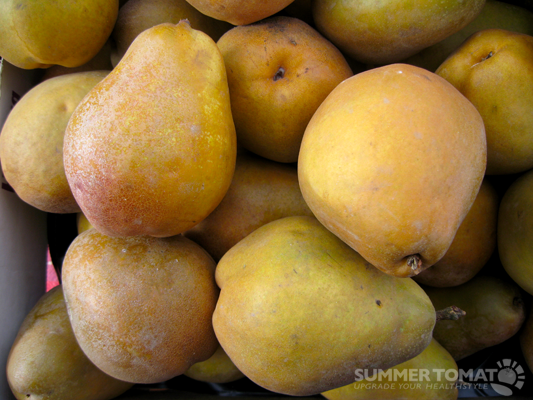
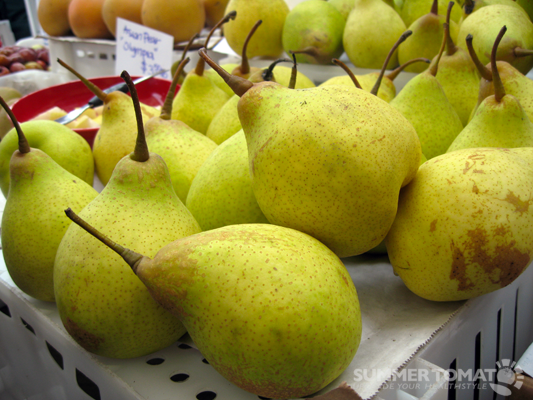
Warren Pears

Warren Pears

Welcome back to Standard Time, add that extra hour to your clock and enjoy the long Sunday.

Farmers markets are closing up shop throughout most of the US, but they go on strong here in SF all year. It’s actually a wonderful time for local produce.

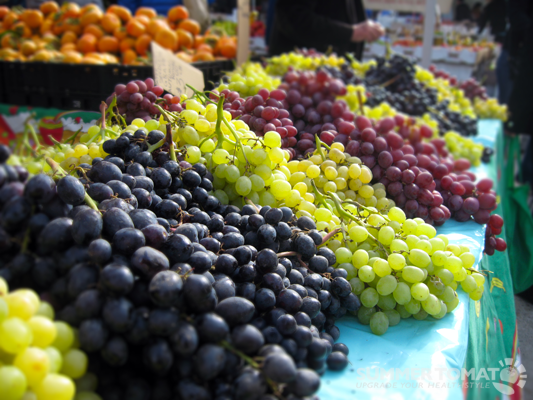
Colorful Grapes

Colorful Grapes

My favorite foods like kale and chard really shine this time of year, as do the other green veggies like broccoli, cabbage and brussels sprouts.

Rainbow Chard and Kale

Rainbow Chard and Kale

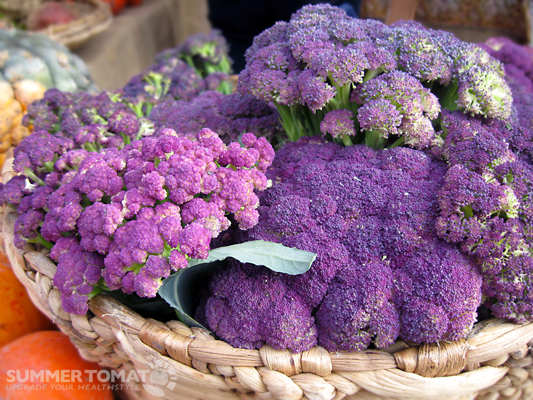
Though it is certainly a cruciferous vegetable, it is a little strange to consider purple cauliflower a green veggie. But it’s definitely healthy, and reminds me a lot of my mom.

Purple Cauliflower

Purple Cauliflower

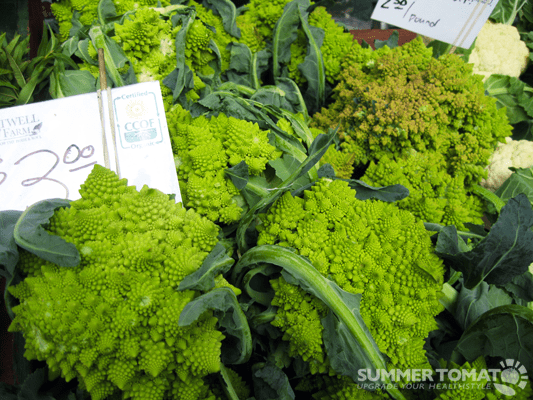
Even better? All this stuff is really cheap.

Romanesco

Romanesco

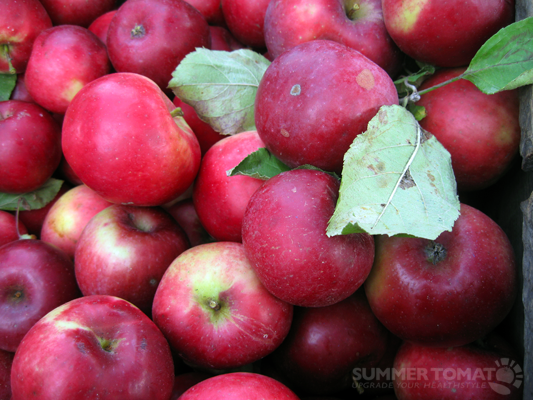
Unlike the expensive berries, peaches and tomatoes of the summer, fall produce is uber affordable. Two dollars for kale, three for delicata squash, one for an apple, autumn produce is a bargain however you slice it.

Rome Apples

Rome Apples

Of course there are always a few thing that cost a little more (grapes and pears come to mind), but on average my spending goes down substantially from now until late March.

Pears

What are these pears doing?

I use this opportunity to try more fruits than I normally would, since fruit are usually the most expensive items at the market. This time of year you cannot miss the pears, apples, persimmons, pomegranates and kiwi fruit.

Kiwi Fruit

Kiwi Fruit

It’s a great season, and honestly I’m even looking forward to the progress into winter. The citrus are just starting to reappear, and I found these adorable sudachi lemons at Hamada Farms.

Sudachi Lemons

Sudachi Lemons

Any servings suggestions?

Today’s purchases (~$20):

Tags: , , , ,

Farmers Market Update: Minneapolis

by | Oct 23, 2011
Minneapolis Farmers Market

Minneapolis Farmers Market

Bruce Bradley is a consultant, author, blogger and lifelong foodie from Minneapolis, Minnesota. After working for over 15 years as a marketer for several of the world’s largest food companies, Bruce finally awakened to “the green side of life” and is an avid supporter of the eat local, real food movement. He now offers his unique insider’s perspective on processed foods via his blog and a soon-to-be-released novel, FAT PROFITS. To learn more about Bruce Bradley you can subscribe to his blog, follow him on Twitter @authorbruce or check him out on Facebook.

Farmers Market Update: Minneapolis, Minnesota

by Bruce Bradley

Minneapolis Farmers Market Sign

Minneapolis Farmers Market Sign

The Minneapolis Farmers Market has been a long-standing fixture of the Twin Cities fresh produce scene. Its current Lyndale Market location opened in 1937, but its roots trace back to a fruit and vegetable market established in 1876. Located on the outskirts of downtown, the Minneapolis Farmers Market is held outdoors under three huge red sheds and stakes claim to the title “Largest Open Air Market in the Upper Midwest.”

Run by the Central Minnesota Vegetable Growers Association, the farmers market is open from 6 a.m. to 1 p.m., 7 days a week from May to December. On Thursdays, a special farmers market is held downtown along Nicollet Mall, a place made famous by Mary Tyler Moore’s hat toss in the opening credits of her 1970’s sitcom.

Minneapolis Farmers Market

Minneapolis Farmers Market

I decided to visit the farmers market downtown this week. It was a beautiful, sunny Indian Summer day in Minneapolis. Fall is at its peak here, so the red, orange, and yellow trees lining the streets created a wonderful backdrop to my shopping adventure.

Although many summer vegetables like tomatoes, green beans, and corn were still plentiful, fall vegetables have taken center stage. Brussel sprout stalks and squashes were available at many vendors and a number of local Apple Orchards were showing off their amazing crop.

Apples

Apples

During the summer my CSA keeps me pretty well stocked in vegetables. Although I love the CSA experience, what I miss about the farmers market is getting to choose exactly what I’m going to buy. That said, the hardest part of shopping at the farmers market is wanting to take home a little bit of everything and this week was no exception. Take a look at these squash! I love squash, especially all the fall varieties. Although these beautiful Carnival Squashes were calling my name, after reading Summer Tomato’s recipe for Delicata Squash, I knew delicata was on the top of my shopping list.

Winter Squash

Winter Squash

If you love food and you haven’t gone to your local farmers market, you’re really missing out. It’s a great place to explore different varieties of vegetables that you just can’t find at your local grocery store, like these white radishes …

White Radishes

White Radishes

and these Indian eggplant …

Eggplant

Eggplant

Spinach is one of my personal favorites, and these were so green and fresh. I love making spinach salad, sautéed spinach, or … some creamy spinach soup would be especially perfect on a cool fall day. The vendor assured me she would have some more spinach this weekend, so I passed on it for now. But believe me, it was tough call.

Spinach

Spinach

Raspberries are my son’s favorite, and I think the best varieties ripen in the fall. Not only are they more flavorful, but they’re also a little bit sweeter than the ones that are available during the summer. These will be perfect for dessert or breakfast in the morning, so they’re a definite addition to my bag.

Raspberries

Raspberries

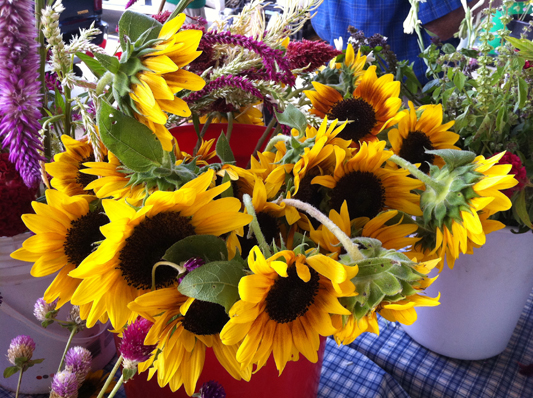
Variety is the spice of life, and it’s always fun to check out things you’ve never seen before. Seed heads from sunflowers were new to me this trip. Although I love experimenting, my bag was already getting pretty full, so I passed on these beauties for now.

Dry Sunflowers

Dry Sunflowers

I also was tempted by these red moon beans. Their rich purple color was very alluring, but the vendor didn’t understand English so I couldn’t learn anything about them. I Googled them when I got home, but unfortunately I still couldn’t find anything about them. Does anybody know about this variety of bean? I’d love to learn more about them so please share what you know in the comments.

Red Moon Beams

Red Moon Beams

Fresh smells are one of my favorite parts of shopping at farmers markets. I was standing a few stalls down wind from this huge bunch of dill weed and it caught my nose’s immediate attention. Yum!

Dill

Dill

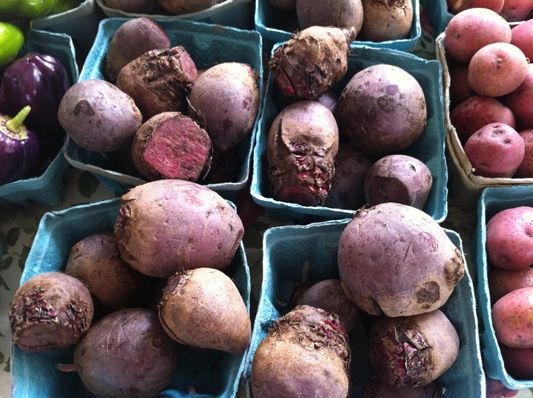
Next to the dill was a colorful array of chili peppers, tomatoes, beets, and potatoes. I LOVE beets, so they were an easy choice for me to add to my bag.

Chilies and Beets

Chilies and Beets

When you read Summer Tomato’s Farmers Market updates, you learn how each area of the country (and world) has their own specialties, so I thought I’d feature a couple items that I think are a little more unique to the Upper Midwest:

Pickles are a local favorite in Minnesota. Everyone seems to have their own secret recipe, and it’s something I’d like to try my hand at making sometime. The pickle bar at the farmers market is a great place to figure out exactly what your favorite type of pickle is and buy it. Bread and butter pickles are hands down my top choice.

Pickles

Pickles

Two other local foods from our neighbor to the east, Wisconsin, are cheese and cranberries. I had never heard of “cheese curds” until I moved to Minnesota. Although I don’t buy them very often, they’re amazing especially when fresh. These curds were made yesterday from rBGH free milk, so I couldn’t resist them. And as any Wisconsin native will tell you, the only way to know if your cheese curds are fresh is to taste them. If they squeak between your teeth, they’re fresh, and these were squeakingly delicious.

Cheese Curds and Cranberries

Cheese Curds and Cranberries

Now while everyone knows cheese is a huge Wisconsin favorite, not many people know that Wisconsin is the country’s largest producer of cranberries. I didn’t pick up any of these plump berries this week, but I made a mental note to get them in a couple weeks. Thanksgiving is just around the corner and there’s nothing better than a fresh cranberry relish.

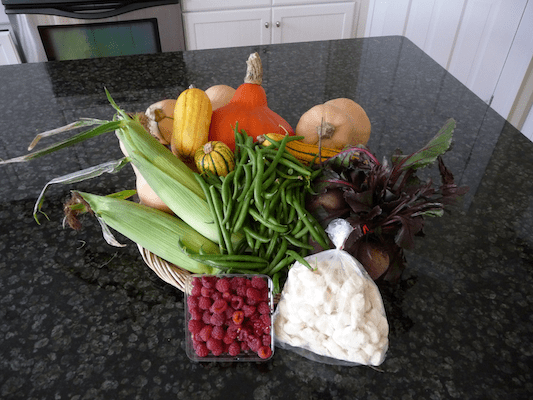
My Purchases

My Purchases

What I bought (pictured above):

  • Corn
  • Delicata squash (I’m going back for more. I just made Darya’s Delicata Squash recipe and it was AMAZING!)
  • Butternut Squash
  • Ambercup Squash
  • Beets
  • Green Beans
  • Cheese Curds – Ellsworth Creamery
  • Raspberries (Unfortunately they got a little crushed. Maybe I should order one of Darya’s new Mercado bags.)
I <3 Farmers Markets

I <3 Farmers Markets

Tags: , , , , ,

Farmers Market Update: Autumn

by | Oct 16, 2011
Winter Squash

Winter Squash

Alright Mother Nature, you win. It’s autumn now and I’ll accept it, even if San Francisco only had about five days over 80 degrees this year. I don’t need summer when I have produce like this.

Thompson Grapes

Thompson Grapes

Bring on your autumn grapes. Grapes have never been my favorite fruit, but they are so sweet and crispy this year I can’t resist them. I like wine too, and harvest is soon. Grapes are ok with me.

Flame Grapes

Flame Grapes

I’ll take your apples too. These heirloom varietals don’t taste anything like the overly sweet fujis I grew up with. These apples remind me of what I’ve always wished apples tasted like whenever I have apple cider.

Autumn Apples

Autumn Apples

And these little wickson apples, the size of golf balls, are as complex as a glass of wine.

Wickson Apples

Wickson Apples

Of course I don’t mind the sweet white pomegranates, with their pink seeds and delicate flavor. They aren’t as sour as the red ones are this early in the season, and the seeds aren’t nearly as tough and woody.

White Pomegranates

White Pomegranates

I finally gave in and got some brussels sprouts too. Sure I used to hate them, but once I learned the secret to cooking these little guys they became a welcome guest on my dinner plate. I’m especially fond of the smaller sprouts like the ones I found today, because they are almost never bitter.

Early Brussels Sprouts

Early Brussels Sprouts

With Halloween approaching not even the winter squash offend me, but these days I eat them instead of carve them.

Sugar Pie Pumpkins

Sugar Pie Pumpkins

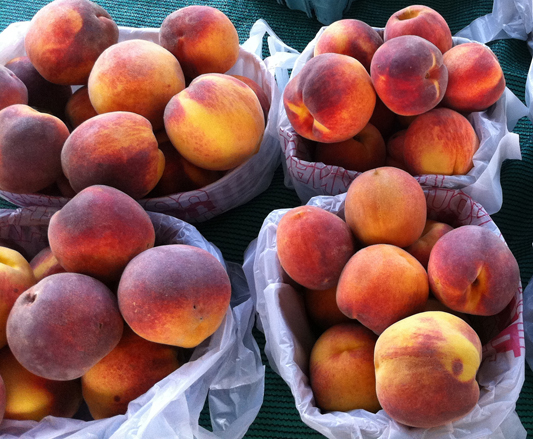
Yes I’ll miss summer—or at least the idea of it. I’ll miss the peaches and plums.

Peaches

Peaches

I’ll revel in the last of the figs and melons.

Brown Turkey Figs

Brown Turkey Figs

Maybe if I’m lucky you’ll give me a few more weeks of eggplant.

White Eggplant

White Eggplant

Perhaps the sweet peppers will last until my birthday next month.

Sweet Peppers

Sweet Peppers

Or maybe the spicy ones will?

Hot Peppers

Hot Peppers

What always breaks my heart most is the tomatoes. I can live a few months without strawberries, but the tomatoes really get me. Everything is better with a dry-farmed early girl tomato on it. It will be hard to see them go.

Organic Cherry Tomatoes

Organic Cherry Tomatoes

But I love my cauliflower. (Pretty much everyone loves my cauliflower). And it will keep me company as fall rolls in and winter approaches.

Cauliflower

Cauliflower

I’ll embrace your root vegetables as they sweeten in the cold.

Beets and Carrots

Beets and Carrots

I’ll give you some time on the persimmons though, I don’t think they’re quite ready yet.

Hachiya Persimmons

Hachiya Persimmons

Today’s purchases (~$40):

  • Heirloom kabocha squash
  • Savoy cabbage
  • Carrots
  • Leeks
  • Red Russian kale
  • Brussels sprouts
  • Wickson apples
  • Daikon
  • Ginger root
  • Garlic
  • Dahlias

Is your farmers market still running?

Tags: , , , , , , , , , , , , , , , , , ,

Farmers Market Update: Tokyo, Roppongi Market

by | Oct 9, 2011
Sansouke Family

Sansouke Family

Joan Lambert Bailey currently lives and writes in Tokyo where she is lucky enough to get her hands dirty on a local organic farm. You can read about her adventures learning about Japanese food from seed to harvest to table at Popcorn Homestead or join her on Twitter.

Farmers Market Update: Tokyo, Roppongi Market

by Joan Lambert Bailey

Farmers markets are part of a Japanese food scene that has been changing for some time and appears to be garnering more and more interest in light of the March earthquake. Public concern regarding radioactive fallout on crops and soils has fueled a series of large public demonstrations against nuclear power and has consumers searching for more information than ever about the food they put on the table. As people test their food themselves for radiation they also head to local markets where they can speak directly to growers and producers about their farms, food, and shared concerns about the current situation.

The Roppongi Market, located a few minutes walk from Tameike-sanno station in a part of the city more renowned for nightclubs pulsing to the beat of the most popular DJs and bands, expensive hotels, and high-end dining than fresh fruits and vegetables, is one of a hearty handful of western-style markets popping up around the city. By no means as large as the UN University Market, the nearly forty vendors present this Saturday offered plenty of opportunity to restock the larder for the week and beyond with throngs of seasonal fruits and vegetables along with rice, dried fish, senbei, and even a small selection of household items. As an ensemble tuned their instruments nearby, we made way over to the cluster of colorful awnings to see what deliciousness might be found on this perfect autumn day.

Farmers Market Stall

Farmers Market Stall

A single fresh okra sprinkled with salt and served on a stick was the unlikely magnet that pulled us over almost immediately to Tokaji Farm’s table where we were confronted with some of the best of the harvest from Shikoku Island. Just south of Osaka, Shikoku is as famous for its 88-temple  pilgrimage route as its countless citrus groves and fantastic surfing. A cooperative effort of Kochi area growers, Tokaji’s table sported green yuzu (a Japanese citrus that falls somewhere between lemon and lime), lemons, three kinds of nasu (eggplants), goya (Okinawan bitter melon), peppers sweet and hot, a few last cucumbers, shoga (ginger) to tempt passing customers along with boxes of eggs that would make the Easter bunny proud. Beaten out by another customer for the last bag of okra, I opted instead for the Ginger Syrup Kit. One taste of a sample mixed with sparkling water, there was no way to walk away without it. Containing instructions, one lemon, a huge piece of ginger, pre-measured amounts of Okinawan black sugar and spices, it was all I needed to recreate that delicate sweet-sour taste reminiscent of another homemade favorite: hachimitsu.

Yuzu

Yuzu

While fall is synonymous with cooler temperatures, nashi (pears), and the first kaki (persimmons), it is also the season of the rice harvest. Spotted a bit off to the side, we made our way over to Shigeyuki Kanai’s table. Kanai and his 84-year-old father, the sixth and seventh generations respectively of their family to work their farm in Gunma Prefecture, produce beautiful grains of white, brown, and  black rice fed by natural spring waters and weeded by ducks. If that wasn’t enough to charm us into purchasing, the samples sealed the deal. Tiny servings of plain white rice full of good flavor and just the right amount of ‘spring’ in each bite got us to buy some of each for tasty and colorful eating.

Kanai

Kanai

A few steps further along we found Kanyo no Sato. Lovely as their rice looked on the table, we thought to pass by in search of other items on our list. The noonday sun caught in the petals of their fall flower bouquets made us pause for another look. And lucky for us it did as we soon discovered they offered not just rice but rice flour, mochi, and genmai (brown rice) meal. Genmai meal – a rougher, larger grind than flour – gently boiled whips up a breakfast cereal similar in concept and consistency to cream-of-wheat, and can be cooked up savory or sweet. Unable to resist the offer of something new, the genmai meal joined some of the homemade mochi squares in our bag.

Kanyo no Sato Mochi

Kanyo no Sato Mochi

While sorting out the instructions for making the genmai meal and just as my stomach started to rumble about lunch, we met Kyoko Tanno and her gleaming jars of jam at the neighboring table. Made from fruit and vegetables raised on her two hectare organic farm in Chiba, we couldn’t take our eyes off the brilliant orange of the carrot jam and the fat figs snuggled scrumptiously in their jars. Still a fledgling affair, she established her farm (and dog-walking business) only four years ago after moving south from Sendai.  A notebook of English phrases and vocabulary kept behind the table helps her connect with Roppongi’s somewhat large ex-patriot population and provides a bit of fun mental exercise, too. After a bit more chatting in her excellent English and our beginner level Japanese, we came away with a new friend and a jar of that most yummy-looking carrot jam.

Cruising around the corner to the next row of vendors, we found ourselves face-to-face with a few of the year’s last cantaloupe, a selection of green, red, and nearly black grapes, pears, apples, garlic, and chestnuts all coming into their peak season, as well as table after table of vegetables. As we surveyed the scene to decide where we might head next, the gregarious staff at Sansouke Farm offered us samples of edamame and we were hooked. (The free sample is truly, if you ask me and my stomach, the best technique a vendor can employ for drawing in customers and getting them to buy. Works on me almost every time!)

Located in Chiba, Sanosuke Farm is all organic and according to the farmer’s mother, a miracle of growing. While she explained in enthusiastic detail the careful tending of the soil (a variety of animal manures mixed with other composted materials) that resulted in a diverse set of crops healthy enough to fend off pests and disease, she also shared the multiple uses of daizu (soy beans): soy sauce, natto (fermented soy beans), miso, and tofu along with the health benefits of each. Natto is good for the digestive system; edamame are good for the skin as well as tasty with beer; and miso is simply good all the time in nearly any form. A retired junior high school teacher, she seemed born to the farmers market table. Even as she chatted with us she managed to offer samples to passing customers and help them find the perfect sweet potato, eggplant, or squash. Happily falling victim ourselves, we came away with two bags of edamame as well as gifts of sweet potato and togarashi. I’ll relish the memory of our meeting and conversation with every bite.

Eggs

Eggs

While the market stalls and their bounty by no means ended at that point, we found our shopping bag heavy, our stomachs ready for lunch, and our legs a bit tired. It was time for a last look around and a final scan of our lists before starting home with our loot. There was absolutely no room for another thing…until we spotted the beautiful display of winter squash at Kosaka Nouen’s table. Located on Tokyo’s west side in Kokobunji, Kosaka raises not just a wide variety of vegetables but also laying hens whose eggs were snapped up nearly as fast as they were set out. But it was the winter squash that caught my eye, and while I’ve hauled eggs home on the train before I don’t relish the idea. Akagawa amaguri or red chestnut pumpkin, prized as much for its flaming orange red skin as its sweet inner flesh, looked like it could withstand a bit of a jostle on the train. Already dreaming of it cut into chunks and cooked with the evening’s rice and a bit of mirin it would make a colorful dish perfect for these autumn days. Let’s just say the bag got a bit heavier.

What we bought:

  • Ginger syrup kit from Tokaji Farm
  • White, brown, and black rice from Shigeyuki Kanai
  • Mochi, rice flour, and genmai meal from Kaya no Sato
  • Carrot jam from Tanno Farm
  • Edamame from Sanosuke Farm joined gifts of sweet potatoes and togarashi
  • Akagawa Amaguri winter squash from Kosaka Nouen

What did you find at the market this week?

Tags: , , , ,

Farmers Market Update: Memphis

by | Sep 25, 2011
Flowers

Flowers

I’m Sharon Steed and I’m a freelance writer from Chicago. I go to Memphis a few times a year to visit some family I have down there, and this was the first time I went to the farmers market there. I lovecooking, reading, Housewives (the ladies from Beverly Hills are my favorite) and wine. You can follow me on Twitter @sharonsteed.

Farmers Market Update: Memphis

by Sharon Steed

99 degrees. That’s how hot it was at 10:00am when I got to the Memphis Farmers Market. I was in town visiting family for Labor Day weekend, and I wanted to explore something more than the Memphis night-life for this trip. The farmers market was a good way for me to see what else the city had to offer, and it helped me not gorge on yummy southern food for four days.

Memphis is known for a few things including the enormous contributions to American Music (Graceland is a little south of downtown), the Beale Street bars and good old southern hospitality. It’s not, however, known for being a hub for healthy, locally grown food. And that’s where the Memphis Farmers Market (MFM) comes in.

Memphis Farmers Market

Memphis Farmers Market

The MFM is a non-profit corporation in the State of Tennessee. They’re dedicated to providing local food choices, improving public health, educating the community on nutrition and serving as a community gathering place.

Peaches

Peaches

This was my first time venturing out during daylight hours while in Memphis, and I was pretty surprised at how much the city had to offer. The market is in the heart of downtown Memphis, and only a few blocks away from the Mississippi River and Beale Street. It was miserably hot that day – especially for someone from a cooler city like Chicago. But that didn’t stop the smiling faces and perky families from getting healthy eats.

Beets

Beets

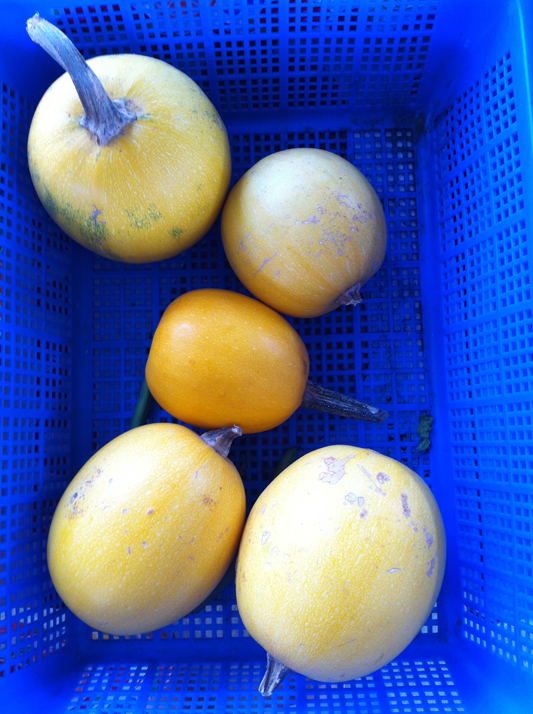
I love cooking, but I rarely take time out to do it on vacation. Since I was in town for a long weekend, I figured this was a good opportunity to change that up. Spaghetti squash is a little bit time-consuming to cut and carve, but it’s so worth the energy. And I figured I could convince some of my family to have a few bites since it looks like linguini.

Spaghetti Squash

Spaghetti Squash

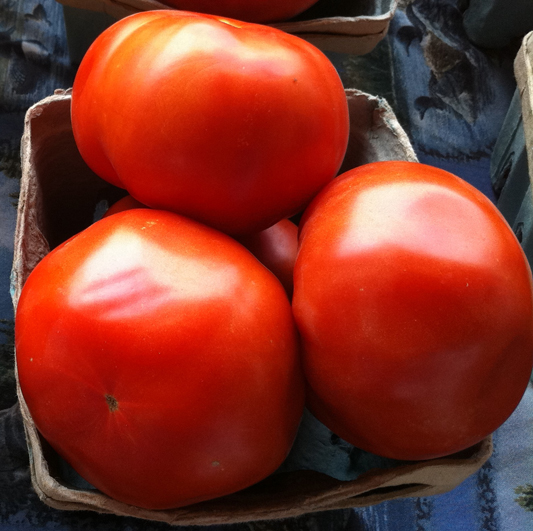
I’m obsessed with tomatoes; I put them on pretty much everything. Sometimes I even just eat them alone with maybe a little dressing. They’re a perfect vacation food because you can always find a simple greens to mix them with and it only takes a minute to cut up a couple.

Summer Tomatoes

Summer Tomatoes

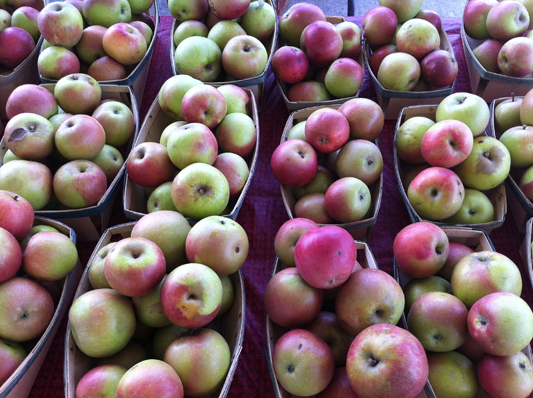
Apples are a good travel food since they’re sturdy and don’t leak. I picked up some for the eight-hour drive home.

Apples

Apples

About half of the vendors there were selling artwork. This steel heart caught my eye.

Steel Heart

Steel Heart

I also saw some beautiful wood tree houses and I spent a few minutes talking to a really sweet man who made them by hand.

Gas Station Bird House

Gas Station Bird House

The granola vendor was the first one I stopped at when I got to the market, and I’m glad I did. Finding good granola is pretty difficult as I gather it’s quite challenging to make. This granola from Groovy Foods was probably the best I’ve ever had.

Granola

Granola

My mom and I have been enjoying baked stuffed peppers lately, and these were so vibrant and flavorful that it was immediately on my list for an easy vacation meal.

Green and Purple Bell Peppers

Green and Purple Bell Peppers

I was really surprised to find out that the MFM was non-profit solely focused on bringing together area farmers to sell healthy foods. The farmers market has its own outdoor facility and is run by a board of directors. The sense of community was so refreshing, and, as an out-of-towner, I was blown away by everyone’s hospitality. Memphis is a special place for me, and the MFM is now a go-to spot for all of my future visits to one of my favorite cities.

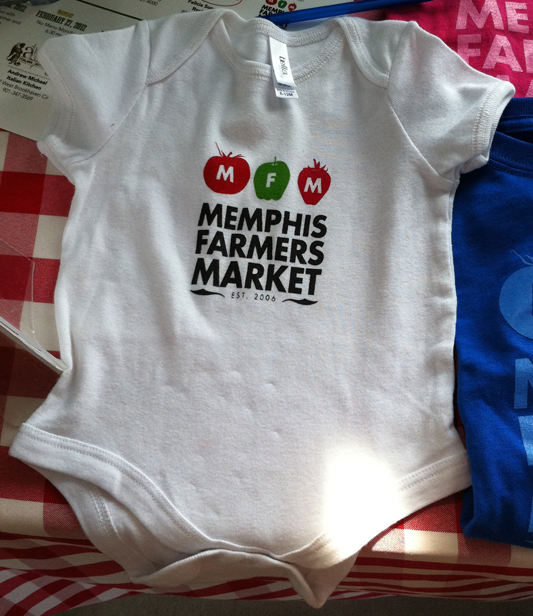
Onesie!

Onesie!

What I bought:

  • Apples
  • Roma tomatoes
  • Dark Star Granola from Groovy Foods
  • Spaghetti Squash
  • Green and Purple Bell Peppers
Tags: , , , ,

Farmers Market Update: Eastern Market, D.C.

by | Sep 18, 2011
Eggplant

Eggplant

Ali is a reformed loather of all-things cooking. She recently found her inner chef after losing herself in the farmers markets and local grocers of Washington D.C. She now counts cooking with her beloved husband among the highest joys in life. Ali lives life through her taste buds, and considers the countless foods growing and living on this earth as true gifts from God.

Ali works for the United States Army in public affairs and communications and is also an instructor of cause and non-profit related communications at Georgetown University.  She has a master’s of public relations and corporate communications from Georgetown University, and lives outside D.C. with her husband and two overfed felines. When not in the kitchen, Ali enjoys training for triathlons and bikram yoga, though is admittedly terrible at and uncommitted to both. She can be found on LinkedIn as Ali Zimmer Sanders, or on Twitter as @AliZimmer.

Farmers Market Update: Eastern Market, D.C.

by Ali Sanders

Every weekend, DC’s Capitol Hill sheds its buttoned-up, political shell and exposes its warmer, friendlier side through its Eastern Market. Thousands pour in every Saturday and Sunday to walk the colorful streets and choose among the myriad odds and ends in an endless party for the senses.

Eastern Market

Eastern Market

Eastern market is a veritable mecca for vintage furniture and hand-made art, jewelry, soaps, beauty products and clothing. But the greatest draw of DC’s longest-running farmers market is the local, homegrown and farm-raised food.

My family visited us this past weekend for Labor Day, and we had lofty ambitions for cooking something special together at each meal. I introduced them to a realer side of our city, devoid of memorials and museums, tourists on Segues, and pretention. Eastern Market serves, twice a week, as DC’s thumping heartbeat, where the energy, excitement and lust for life among DC-ists is palpable.

Prior to flinging ourselves into Eastern Market proper, we enjoyed the offerings of the various merchants flanking the market on Capitol Hill. We started with a coffee and various French provisions at Montmartre, followed by deep diving into the extensive and cavernous Capitol Hill Books. We emerged ready to take it by storm.

Eastern Market consists of an indoor area for perishables like meat, dairy and seafood, and a colorful and extensive outdoor area for everything else, including all fruits and vegetables. We started at the peach stand. Can you blame us?

Peaches

Snow King Brand Peaches

These peaches suffered the fate of becoming the evening’s dessert. We sliced them, grilled them, basted them in a melted unsalted butter, cinnamon and brown sugar mixture, and dumped them, still hot, on vanilla ice cream. We then drizzled a simple raspberry sauce (made by crushing and heating raspberries over the stove and adding a touch of sugar).

A peach and tomato smorgasbord

A peach and tomato smorgasbord

Also on the side to drizzle over the dessert was fresh, local honey… purchased today.

Local honey – did I mention how delicious this tasted

Local honey – did I mention how delicious this tasted

For dinner, we created a linguini pasta mixed with fresh, late-summer veggies and a healthy amount of good-quality extra virgin olive oil. We included some of these beautiful, juicy tomatoes, almost too pretty to chop. We could sample each farmer’s tomato offering before buying the meatiest ‘maters for our meal.  This was the winner today!

Agora Farms Heirloom Tomatoes

Agora Farms Heirloom Tomatoes

We removed the casing from this sausage, cut it into small pieces and sautéed it for the pasta, keeping the juices for our sauce.

Sausage

Sausage

Chopped zucchini and onion complimented the flavors perfectly.

Mom with Zucchini

My mom displays her zucchini selection

Add chopped mozzarella, just a drizzle of marinara and a splash of parmesan.  It will rock your world.

Onions

Onions

We continued our meanderings through the market looking for the ingredients for the rest of the weekend. We decided to make berry pancakes for the next morning’s breakfast, and Coquille St. Jacques, sautéed asparagus, and oniony rice pilaf for the following evening’s dinner.

Here are a few more photos from our day in Foodie Heaven. Call me inexperienced in the world of brussel sprouts, but these were by far the daintiest, smallest sprouts I’ve ever seen. Perfectly bite-sized!

Brussels Sprouts

Brussels Sprouts

Not a very good day for these poor dudes. But the extensive seafood selection was impossible to resist. Enter our sea scallops. They don’t have faces, so it was easier to nom them later 😉

Blowfish! The notoriously deadly sushi fish

Blowfish! The notoriously deadly sushi fish

My brother’s favorite – sunflowers.

Sunflowers

Sunflowers

Fragrant herbs abounded. The merchant knew special tips about each herb and how best to use them in meals.

Herbs

Herbs

Here’s to breakfast! The next morning, we paired homemade blueberry pancakes with smoked bacon and local coffee.

Blueberries

Blueberries

I have a special place in my heart for shiny, plump little blackberries. These were just gorgeous.

Blackberries

Blackberries

At this time of year, when in the presence of black cherries, seize the day! Summer is almost gone.

Black Cherries

Black Cherries

Agora farms Oyster & Shitake mushrooms.

Mushrooms

Mushrooms

I wonder why the basil in my garden looks nothing like this.

Basil

Basil

Gracie samples Spanish manchego cheese in the market to go with our Spanish tempranillo wine.

Cheese

Cheese

The first sign of impending fall and many more seasonal blessings to come.

Pumpkins

Pumpkins

Our grocery list:

  • Peaches
  • Honey
  • Tomatoes
  • Sausage
  • Scallops
  • Blueberries
  • Onions
  • Zucchini
  • Manchego Cheese

Would you like to share your farmers market with Summer Tomato readers? Find out more.

Tags: , , , ,

Farmers Market Update: CSA, Los Angeles

by | Sep 11, 2011
Community Supported Agriculture

Community Supported Agriculture

This is the first Farmers Market Update describing a CSA (community supported agriculture) box, and I absolutely love it. Thanks Samantha!

If you’d like to share your own CSA or farmers market with Summer Tomato readers, please read this and contact me.

Farmers Market Update: Central Farmers’ Cooperative

by Samantha Jones

I’m Samantha Jones, a Bay Area girl who now lives in LA. I’m getting a masters in public health at UCLA (which is awesome) and I love running, cooking, and dreaming about growing my own veggies.

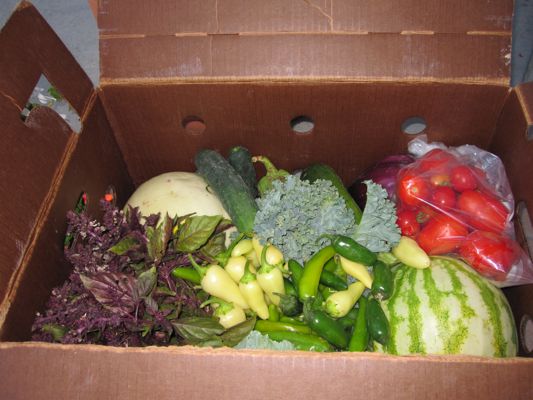
Wednesdays are the most exciting day of my week. I leave work or class, rush to a designated pick-up site, and retrieve a mystery box! I head home, joyfully unpack the box and make something amazing for dinner, often for a friend who has noticed I have delicious lunches and wants to know my secret. The secret is a weekly CSA share, something I’ve been participating in for the past three years. Thanks to my CSA, I am now an awesome cook, I can turn any vegetable into a tasty meal and I have a diet centered on fresh, affordable produce.

Week 1

Week 1

CSA stands for community supported agriculture, and it’s basically a system where we as veggie-consumers buy our produce directly from the farm that grows it. The idea is that the farm gets payment up front to support their operating costs, and their subscribers share in the farm’s harvest via a weekly produce delivery. In the SF Bay Area, where I bought my first veggie box, I subscribed to the very awesome Riverdog Farms. Now that I live here in Los Angeles, I subscribe to the equally awesome South Central Farmers’ Cooperative. I know affordability is relative, but I have found CSAs to be very reasonable.

Week 2

Week 2

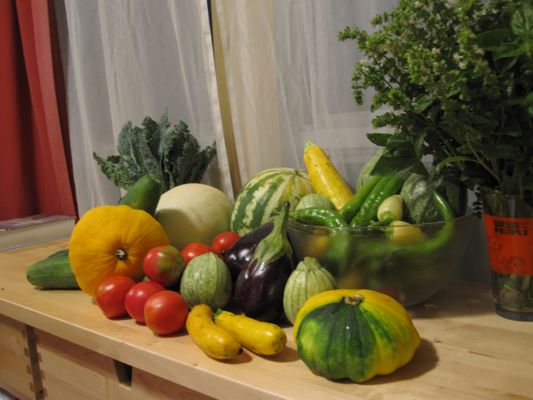
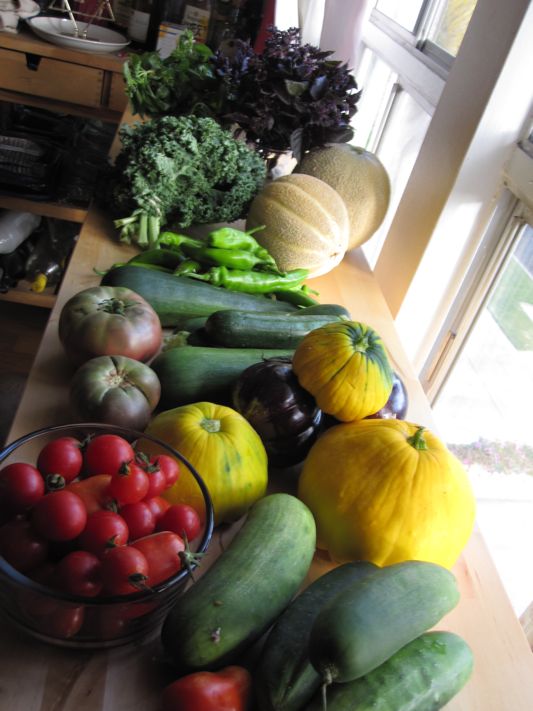
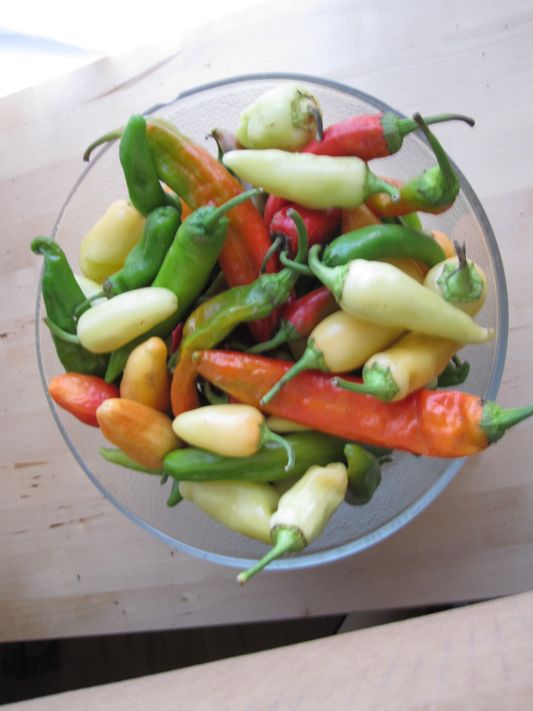
I wrote this over the course of three summer weeks, and each week I got a TON of produce. I have mounds of spicy peppers.

Peppers

Peppers

And more summer squash and zucchini than I can handle.  (I invite friends over for dinner and force them to take squash home.)

Summer Squash

Summer Squash

I also get melons each week, a treat because boxes are generally veggie focused.

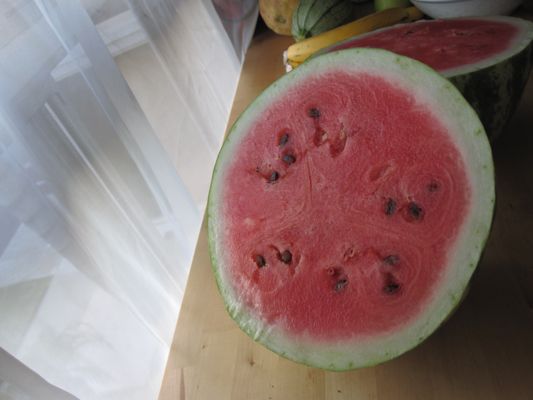
Watermelon

Watermelon

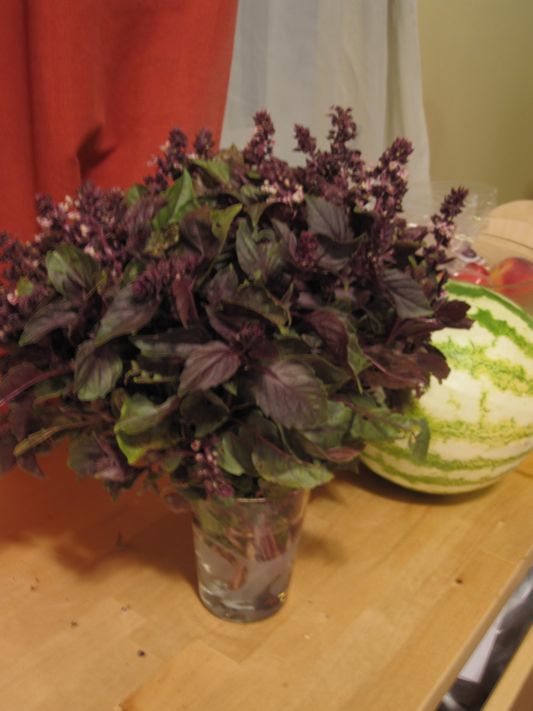
This summer I’ve also gotten bunches of beautiful basil every week, which smells AMAZING.

Purple Basil

Purple Basil

I get kale year round (several kinds in the winter time!) which is great because I can eat it every day.

Kale

Kale

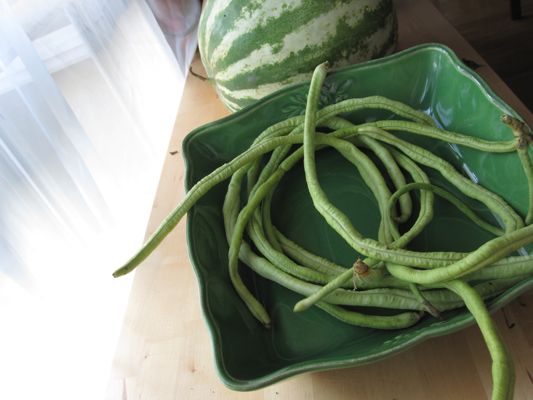
I also get tomatoes, eggplants and cucumbers each week. Last week was unusual in that I got a vegetable I’ve never seen before – I think it is some kind of long bean?

Long Beans

Long Beans

This was all summer produce; in the fall and winter I get several kinds of greens each week, (collards, spinach, kale, chard) broccoli, winter squash, carrots, cabbage, beets, (LOTS of beets) and citrus fruit. In the spring, I get asparagus, fava beans, more beets, more greens, little carrots, strawberries and lettuce so good it will blow your mind. With some CSAs you can even order pasture-raised meat and eggs!

Peppers, Tomatoes, Kale, Melon

More summer produce

I started buying a CSA because a good friend loved hers and I wanted to try something new. I was really bad at actually making it to farmers markets and when I made it there I got excited and spent way too much money. My CSA solved these problems for me, but now I keep it up just because I love it so much.

Sometimes I tell people as a joke that my CSA totally CHANGED MY LIFE, but really, it’s kinda true. It has raised my standards for produce quality, made me a better cook and an all around healthier person. I totally encourage people to try a CSA, you can check out Local Harvest to learn more about CSA programs and find one in your area.

What did you find at the market this week?

Tags: , , , , ,

Farmers Market Update: Montreal

by | Sep 4, 2011
Berries

Berries

I’m so psyched to have a farmers market update this week from Montreal, Canada. Thanks to Roman Korol for today’s guide.

From Roman:

Retired. All food matters interest me keenly, as they have a direct impact on my quality of life. This interest encompasses knowledge of the farmers’ markets in my area as sources of the best food within reach. It’s therefore a rare pleasure for me to present this little introduction to Jean Talon Market which happens to be right close by my home.

Farmers Market Update: Montreal

by Roman Korol

To help situate the reader, I should mention that this market is located at a northerly latitude, in Montreal about 500 road miles or a 6-hour drive due north of New York City.

Montreal is the second-largest city in Canada and seventh-largest in North America. The city is on a boomerang-shaped island in the St. Lawrence River, accessible by a number of bridges, and the city proper has a population of two million. There are numerous suburbs beyond city limits and off-island: for Canada, this is densely-populated land.

Marche Jean Talon

Marche Jean Talon

Montreal’s most characteristic geographical feature is a triple-peaked hill in the heart of the city, Mount Royal, which gave the city and the island its name. French is the city’s official language and one sees this reflected in the public signage. Montreal is the second-largest primarily French-speaking city in the world, second only to Paris.  It is home to seven French-speaking and two English-speaking universities.

Its climate is humid continental. Summers are warm, hot and humid, which is what we’ve been having until Hurricane Irene plowed through. Winters are very cold, snowy and windy: they are generally more severe than what I experienced while living for several years in Canada’s northwest, north of the 60th parallel right up near Skagway, Alaska.

Blueberries and Carrots

Blueberries and Carrots

There are (perhaps surprisingly, because of their number) 14 farmers markets in Montreal as shown by the red pinheads on the map.  The biggest of them all is Jean-Talon Market. Its location is marked by the north-westernmost red pin that we find directly north of Mount Royal.

The market operates year-round on a 7-days-per-week basis. It first came into being in 1932 during the Great Depression by taking over the then-existing Shamrock Stadium, that had been built in 1914 for the game of lacrosse. It now covers an area in the order of 20 acres and includes private buildings, while its central permanent building provides about 3 acres of indoor space and underground parking.

Peppers

Peppers

The market lies in the middle of the Little Italy district, which kicks the general ambiance up considerably. I have the good fortune to be living just on the edge of that area.

On the day of my visit on Aug. 27, 2011, I traveled by bike to Shamrock Street which leads straight into the market’s center. This street is of course a remnant from the days of the old lacrosse stadium. How odd, to see that Irish symbol still preserved in the middle of Little Italy, and not an Irishman in sight.

A livelier introduction to the market cannot be conceived of than this captivating opera-fest performed at that very place by the Opera of Montreal one year ago. The video is well worth the viewing for its music and its glimpse into the market’s soul in such high relief, in all of only 6 minutes.

Tomatoes

Tomatoes

While the market has its own bilingual website, the part in English is (as yet) an incomplete translation of the fuller French version: it is a work-in-progress. Missing on the English side are interesting video chats with some of the farmers from the local area who bring their produce to market, that are featured on the French-language side of the website.

These videos can also be found on You Tube. Even for readers without a knowledge of French, it is perhaps of interest to peek in and see the views and the action (and hear the folksy music, too).

Here are the links:

  • Jacques and Diane Rémillard have a farm 32 miles east of Montreal at Napierville, Quebec, where they produce a wide range of vegetables as well as herbs and spices that they bring to market.
  • Serge and Diane Trottier have a farm 30 miles northwest of Montreal at Oka, Quebec where they grow strawberries, raspberries and apples. They also tend beehives. The bees of course play a key role in cross-pollination. Diane explains how much more labor-intensive is the harvesting of strawberries as compared to their other fruits.
  • Aline and Daniel Racine have a farm 20 miles north of Montreal at Ste-Anne-des-Plaines, Quebec. Daniel explains that his farm provides employment for local residents.  They own a bus that does a daily circuit  gathering up workers, mostly local teenagers, drives them to the fields, and then returns them home at day’s end. They report having no shortage of labor.
  • Thérèse and Conrad Pitre have a farm 18 miles south-east of Montreal at St-Jean-Baptiste, Quebec, producing with their family a range of fruit and vegetables. Holding a huge ripe tomato in the palm of his hand Conrad chortles, “one slice, one sandwich”.
  • Louise Marc-Aurèle and Gilbert Jodoin have a farm 27 miles south of Montreal at St-Damase, Quebec and bring their produce here and also to another farmers market in Montreal, the Atwater Market.

Like farmers everywhere, these are hardy folk. For them, attending the market is a serious and very tough livelihood.  It is nourished by time-tested knowhow that is aligned to human needs and the environment. These video interviews give a tangible sense to the value of the term “locally produced.”  No genetic manipulation need be apprehended here.  The marvelous flavor of their fresh produce at the market, harvested usually the day before, certainly proves out their worth.

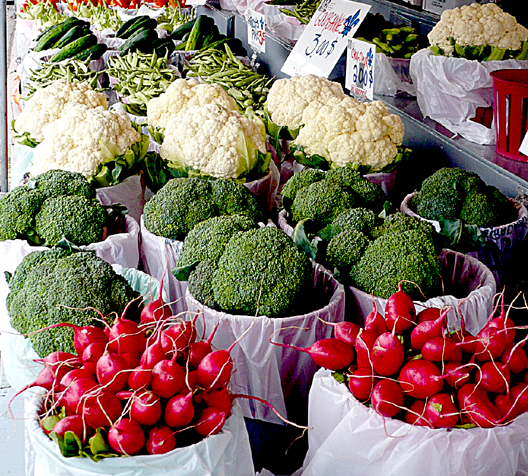
Radishes, Broccoli and Cauliflower

Radishes, Broccoli and Cauliflower

On the day of my visit the weather was bright and sunny—a wonderful summer day, just one of many others like it, with the temperature edging up to 90ºF by lunchtime, and giving no inkling of the approach of Hurricane Irene the very next day.

The extensive central building at the market is identified with a discreet sign and contains many indoor shops and restaurants. The bulk of the action takes place beyond the building in a great expanse of sheltered outdoor stalls (which is where the Opera of Montreal performed). These are accessible on foot or by bike. It is easy to lose one’s bearings here if one is not paying attention, because the stalls extend outwards quite a ways. Here and there during peak periods musicians are often playing solo, or in small groups of two or three.

Green and Yellow Wax Beans

Green and Yellow Wax Beans

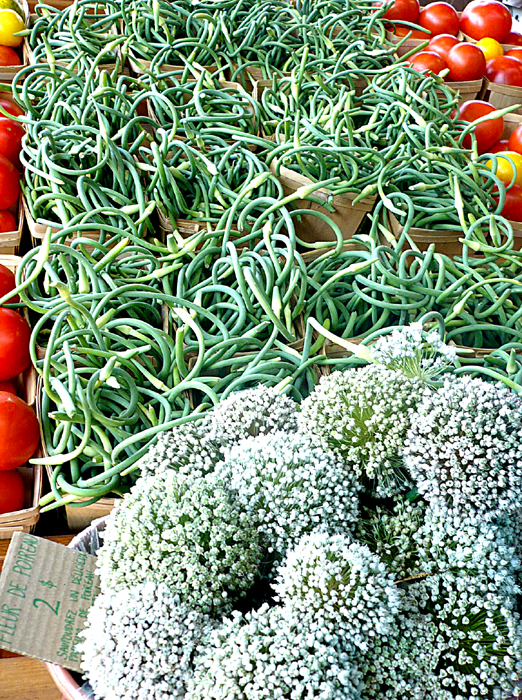
Leek flowers, the seeds of which are used as flavoring in many recipes. These flowers, I was told, first appear only two years after the leek is planted, if even then.

Leek Flowers

Leek Flowers

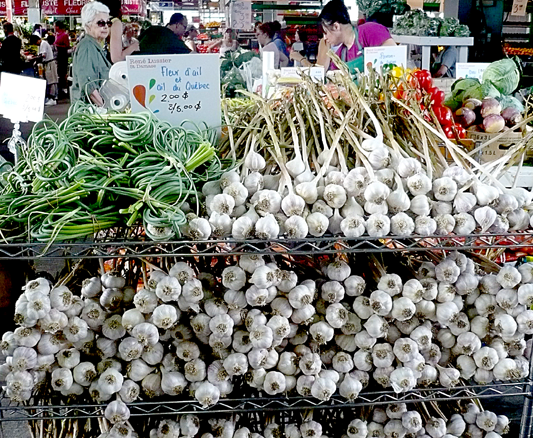
The commonplace garlic, with its extraordinary flavor and healthful nutrients, will keep for as long as three months at room temperature, without need of refrigeration. Those harvested in the fall keep even longer and will stay good through the winter. Amazing.

Garlic

Garlic

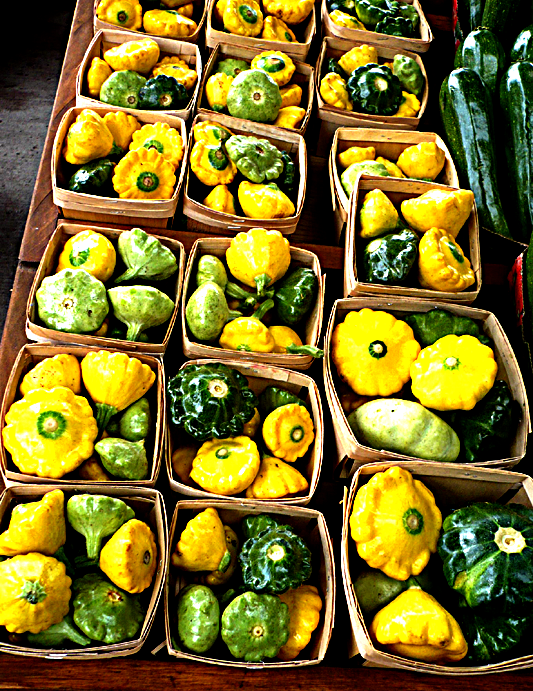
I noted with interest that the little Patty Pan squash that Kristin DeKay identified earlier in her report on Omaha, Nebraska, also makes an appearance here at Jean Talon Market under the French name of pâtissons, and these were available in both miniature and larger versions. Intriguing question, how did that name come to be? I found pâtisson in a French dictionary, and pattypan in an English one. Wikipedia marries up the two terms but does not suggest an etymology.

Summer Squash

Summer Squash

Moving along, not too far away I pause at an attractive stall offering locally-made apple cider vinegar, and buy some. It is run by master vinegar-maker Pierre Gingras.

Apple Cider Vinegar

Apple Cider Vinegar

Pierre makes available an informative leaflet that explains the healthful uses of ACV, some of which I had not known before.

Right nearby I make another unusual (for me) find: flowers of zucchini, the buds of which can be used to make a delicate and attractive appetizer. The lady at the stall kindly provides a recipe along with enthusiastic explanations on how to do it.

Squash Blossoms

Squash Blossoms

At this stage in summer (late August) sweet corn begins to make an ephemeral appearance. Its season doesn’t last very long and it is always a popular item. This corn is grown for eating, of course, not for industrial applications, and farmers have no problem selling huge quantities of it.

Corn

Corn

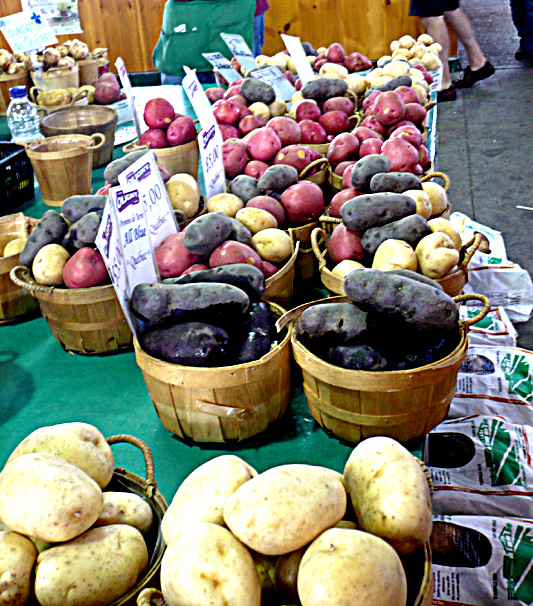
Locally-grown potatoes are also beginning to make an appearance, and they will shortly take center-stage at all the markets here and will be sold even in bags of 50 and 100 lbs. Even with such a banal plant as a potato, when obtained at the market, I notice a real difference in taste when compared to the store-bought kind.

Local Potatoes

Local Potatoes

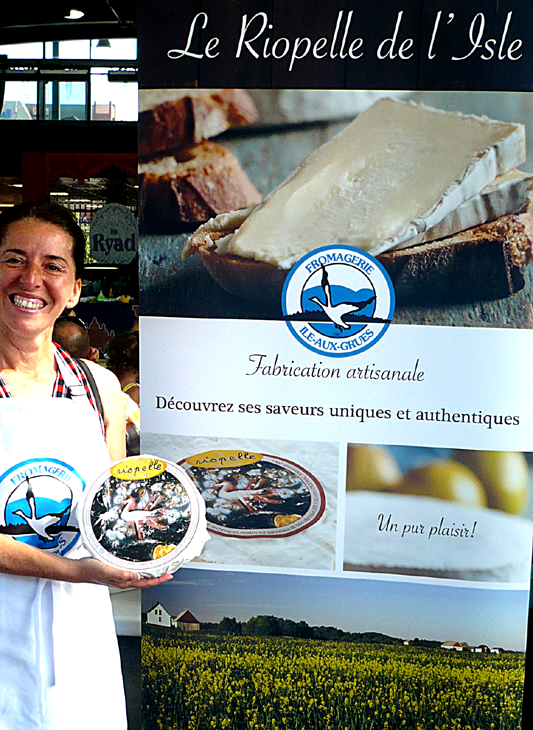
In a passageway I encounter an exhibit from the island of Ile aux Grues (Crane Island).  This small island is several hundred miles downstream from Montreal, has less than 200 families, has no link to the mainland, and its only industry is a dairy and cheese farm.  The young lady with the charming smile and the large wheel of cheese was offering samples of it, the cheese being the sole and unique produce they bring to market (it was delicious and I wish them huge success with their marketing).

Cheese Lady

Cheese Lady

Wandering back to the main building one finds an impressive organic butcher shop that is a coop enterprise of numerous farms adhering to organic farming standards under the collective name of Ferme Saint-Vincent.

They offer organic beef, veal, lamb, pork, turkey, duck, and game birds such as pheasant and quail. A prominent sign over the entryway reads: “Thanks to your patronage, 35 farmers can keep and work their farms and bring fresh produce for your table three times daily.” Their pork bacon (free of nitrites) is outstanding and I avail myself of that luxury on occasion.

Meats

Meats

Directly across the way from them is a competitor, a smaller shop under the name of “Viande Naturelle Nordest” (“Northeastern Natural Meat”). In chatting with this merchant, I learn that he demurs from paying the hefty annual fee that would give him the right to use the “Organic” designation and instead, he passes on the saving in the form of lower prices. This works, because he is well-known in the area and has a high reputation and the trust of his customers.

Further along inside this building is an impeccably clean and fresh-smelling fish market, the Aqua Mare. Aqua Mare was offering among its snacks my favorite for a hot summer day, an appetizing selection of fresh oysters on ice in which I happily indulged.

Aqua Mare

Aqua Mare

Some farms in the region have earned their spurs in the art of making cheese from raw milk, and their products are available at this market. The dairy case contains cheeses made from raw cow’s milk or goat’s milk, the makers being mainly local but also from France. The cheese is highly prized but it is hard to find on our continent outside of the province of Quebec. As a quality indicator, an imported Parmigiano Reggiano which is made from raw milk is seen (by me at least) as a gold standard for quality cheese. Many of the cheeses here measure up to that standard. On the other hand, cheeses from pasteurized milk fall into quite another category, one that generally fails to make the grade.

Cheese

Cheese

To round out my account, here is a typical view of one of the streets surrounding the market. Not a single one of the usual fast-food joints to be seen! But this does not mean an absence of fast-food; what’s there is simply different and (possibly) less destructive of one’s health, like, for instance, the ubiquitous and irresistible merguez, the North African answer to the hot dog.

Today’s purchases:

  • fresh strawberries and wild blueberries from S&D Trottier Farm
  • tomatoes
  • apples
  • celery
  • bell peppers
  • green string beans
  • Apple cider vinegar from master vinegar-maker Pierre Gingras
  • cheese made from raw milk
  • Organic bacon
  • bison steak
  • free range chicken breast
  • Fresh brown eggs from free range hens
  • fresh Malpeque oysters
  • sachets of dried lavender (to interleave with my folded laundry)

Traveling by bike I am limited as to what I can carry so I buy small quantities. For years I’ve been promising myself to build a trailer and have even found free detailed drawings for a light model in bamboo (if anyone wants a copy, let me know). But in any case I can always go back for more stuff which is in itself a pleasure and this, in fact, is what I keep on doing.

Arriving home, I found the streets closed to traffic (but not to bikes) and a neighborhood fiesta under way: one of many that spring up in my hood in summertime. Nice.

Tags: , , , ,