Archive for February, 2010

Feb 28 2010

Farmers Market Update: Springtime

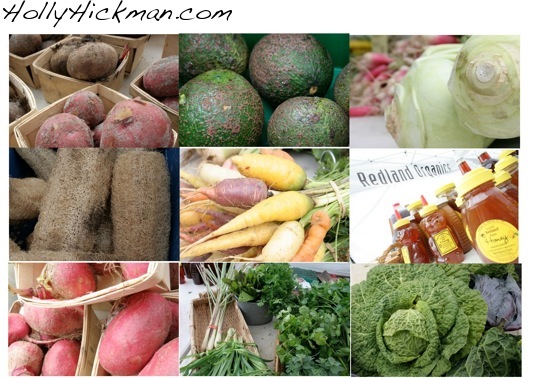
Loose Beets

Loose Beets

I know that it is technically still February, but I’m going to officially declare it springtime here in San Francisco, at least for all of us foodies.

The spring greens are in full effect. Today I found spinach, lettuces, asparagus and even pea shoots.

Pea Shoots

Pea Shoots

Asparagus

Asparagus

Brassica greens like kale and cabbage were around for most of the winter, but now we are seeing the late season varieties such as these savoy cabbages.

Savoy Cabbage

Savoy Cabbage

Herbs and onions are getting more diverse as well, as more delicate herbs like cilantro and thyme are reappearing. Still no basil though.

The giant leeks you can find these days are epic.

Big Leeks

Big Leeks

Fresh Herbs

Fresh Herbs

The root vegetable season is also shifting to the tail end. I’m seeing fewer radishes and other spicy roots, but sweet beets and carrots are thriving.

Carrots

Carrots

In fruit, citrus is still where it’s at. Tropical fruits like kiwi, mango and guava are also available. But it’s hard to beat these $1 navel oranges from Hamada Farms.

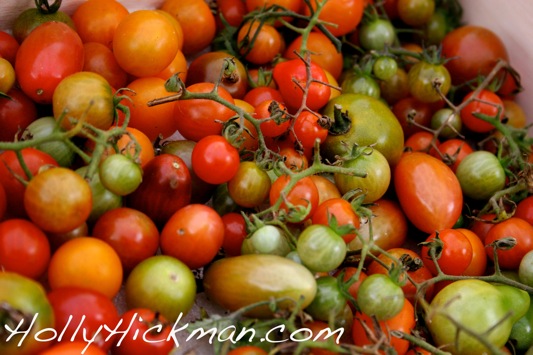
Deceptive Tomatoes

Deceptive Tomatoes

Navel Oranges

Navel Oranges

You should still avoid the deceptively juicy looking tomatoes, however. Trust  me, they aren’t good. The vendor said it will be about 3 weeks before the heirlooms show up.

Until then you’ll have to amuse yourself with all the rest of the amazing spring produce. These flank steaks look pretty awesome too.

Flank Steaks

Flank Steaks

Today’s purchases:

Is your season turning?

10 responses so far

Feb 26 2010

For The Love of Food

Filed under Link Love,Random

For The Love of Food

For The Love of Food

Welcome to Friday’s For The Love of Food, Summer Tomato’s weekly link roundup.

Lots of great healthy eating tips this week on the interwebs. I love the news that slow eating can help you eat less. How often are we told that enjoying food more helps us lose weight? (OK, all the time here at ST, but I’m a weirdo.) There’s also an interesting article about sodium worth reading.

I read many more wonderful articles than I post here each week. If you’d like to see more or just don’t want to wait until Friday, be sure to follow me on Twitter (@summertomato) or the Summer Tomato Facebook fan page. For complete reading lists join me on the social bookmarking sites StumbleUpon and Delicious. I’m very active on all these sites and would love to connect with you there. (Note: If you want a follow back on Twitter introduce yourself with an @ message).

Links of the week

What goodies did you find online this week?

5 responses so far

Feb 24 2010

8 Inspiring Places To Find Recipe Ideas

Foodie Inspiration

Foodie Inspiration

Healthy eating and cooking for yourself go hand in hand. If you have the resources it is possible to eat healthy while dining out, but restaurants that don’t use processed foods can be difficult to find and tend to be pricey. They also limit you to a handful of different dishes that can become monotonous if you rely on them for most of your meals.

But keeping your healthstyle interesting can be a challenge even if you cook for yourself. Although shopping in season inevitably rotates you through new ingredients over the course of the year, we can still slip into the pattern of making the same dishes over and over again. And while repetition can be easy and comforting, it can also be problematic.

Monotony and boredom are your enemies if you are trying to make healthy eating a way of life; junk food will be extra tempting simply because it’s more interesting than the same boring meal you’ve had 10 times before.

To keep yourself from getting in a cooking rut you must actively seek inspiration for new dishes and flavor combinations. This is true for both kitchen newbies and seasoned chefs, and it gets easier with practice. The more you learn to outsource your creativity and experiment, the better you get at finding meal ideas in your daily life.

Inspiration can come from anywhere. These are some places I often find new ideas, but you are only limited by your imagination.

8 Places To Cook Up Recipe Inspiration

1. Farmers markets

My number one source of inspiration is always the beautiful produce and other goodies I find each week at the San Francisco Ferry Plaza Farmers Market. Not only do I often find interesting new ingredients to experiment with, I also find familiar foods that look so fresh and delicious I can’t help but buy them and turn them into something wonderful.

If you are thinking about buying something but do not know how to cook it, ask the vendor for ideas or common preparations. I recommend you get anything that looks new and interesting, since most vegetables are relatively cheap and Google puts a universe of recipes at your fingertips.

2. Restaurants

Most major cities (San Francisco especially) are home to amazingly talented and innovative chefs of all different styles and flavors. Steal their ideas! If you have a memorable meal while out on the town, take mental notes on the flavors and textures that capture its essence. You don’t have to be able to recreate it exactly at home, but you can definitely borrow the concept, simplify it and adapt it to your own skills and needs.

For example, I was recently struck by a dish at a spectacular restaurant that was composed of beets with dill–a flavor combination I had never tried. The dish was technically complicated and I wouldn’t bother attempting to make it the same way, but later that week I did roast some beets and change up my usual recipe to include dill instead of mint (sans chèvre). Turned out fantastic.

3. Food blogs

The number of outstanding food blogs today on the interwebs is staggering, and I love to skim through them looking for wonderful recipe ideas. I can’t even begin to list all my favorite sites here, but I try to highlight at least one mouthwatering recipe each week in For The Love of Food posts.

4. Travel

Nothing inspires enthusiasm for new flavors and recipes like traveling to a different locale. Eating traditional cuisines–the way they are supposed to be made–is one of the most intimate and meaningful ways to engage with a culture. Learn a few of the cuisine’s basic ingredients and cooking techniques and you can bring a tiny bit of your experience home with you. Think of this process as a procedural photograph you can use to remember your trip.

Again, you don’t have to recreate dishes exactly the same way in your own kitchen. Sometimes just a single special ingredient can evoke an entire cultural experience.

5. Friends

We all have that friend who is an amazing cook (love you guys!). Not only does this person sometimes hook you up with delicious treats, chances are your foodie friend also loves to talk about food and cooking. This is a goldmine for new ideas and sometimes even a little help and guidance. Maintain a healthy, food-centric relationship with this person and watch the inspiration roll in.

(Hint: If you don’t have a friend like this come hang out with me on Twitter @summertomato)

6. Books

Cookbooks are wonderful but, to be honest, I rarely use them. The reason is that I’m usually too busy to bother lugging the giant things off the shelf and thumbing through them for something specific. I usually either wing it in the kitchen or search online for what I need.

Literature, however, can be a huge inspiration for me to try out new things in the kitchen. It wasn’t until I read The Moor’s Last Sigh by Salman Rushdie that I really started exploring Indian cooking. The Last Chinese Chef helped me learn to appreciate the depth of Chinese cuisine. And I cannot eat enough Spanish tapas when I’m reading Hemingway.

7. Podcasts and radio

I love Mondays because all my favorite food podcasts are waiting on my iPhone for me to listen to on my commute. Both entertaining and educational, foodie podcasts never fail to inspire me to try new foods and cooking methods. They also make me a better cook by describing tips and techniques I am unfamiliar with.

8. TV

Although I do not watch TV regularly, there was a time when I would catch a periodic episode of Top Chef or other foodie show. What I enjoyed most about these programs was the times they would explain the decision making process that goes into creating a dish. But even if culinary improvisation isn’t in your cards, you can at least borrow their ideas (just like at a restaurant) and make similar meals for yourself at home. The recipes used are often posted online.

You can also get meal ideas from TV dramas and sitcoms. Remember Seinfeld’s Soup Nazi? That’s where I first learned about mulligatawny.

Recipe inspiration can come from anywhere, but if you aren’t looking for it a stroke of genius may pass you by.

Next week I catch up with chef (I think it’s fair to call him a food artist) Daniel Patterson to find out where he gets inspiration for his renowned tasting menu at Coi in San Francisco. Our conversation was illuminating, be sure to subscribe so you don’t miss it.

Where do you get your inspiration in the kitchen?StumbleUpon.com

9 responses so far

Feb 22 2010

Is It Healthier To Eat Like A Caveman?

Photo by Lord Jim

Photo by Lord Jim

“What do you think of the Paleo diet which advocates zero grain consumption?”

The Paleolithic diet is one of the most rapidly growing diet trends of the past several years. Followers of the Paleo diet argue that humans have not evolved to eat agriculture-based foods and can only achieve optimal health by consuming a hunter-gatherer style diet. Thus the Paleo diet is completely devoid of grains and legumes, and also shuns dairy, salt, refined sugar and processed oils. The diet is composed primarily of meats, fish, vegetables, fruits, roots, nuts and seeds.

(The Wikipedia article on the Paleo diet is actually pretty good if you’d like to read up on the details. I particularly like the Opposing views section.)

Like most diets the Paleo diet has a little bit of good science behind it, but also a lot of logical leaps and baseless assumptions. The evolutionary argument that humans are somehow maladapted to agriculture-based diets is particularly unconvincing (resting on many unproven assumptions), yet is the fundamental premise on which the Paleo diet bases its recommendations.

The reasoning behind the Paleo diet is less interesting to me, however, than the impact of the diet itself. Will “eating like a caveman” really help you be healthier?

Possibly, but not necessarily.

The most obvious advantage of the Paleo diet is the lack of processed foods. There is ample evidence that societies on traditional diets boast far better health than those on modern, Western diets–and the hallmark of modern diets is food processing. Paleo diets therefore are low in sugar, refined carbohydrates, trans fats, excess salt and pretty much everything else that leads to “diseases of civilization.”

Paleo diets are also abundant in healthy, nutrient-rich foods such as vegetables, fruits, nuts, fish and meats. I have no doubt that anyone willing to stick to a Paleo eating plan will have a healthy weight and remain virtually free of heart disease, diabetes, hypertension and may even have lower rates of cancer.

But the question still remains, is it necessary to eat Paleo to be healthy?

This is where I take issue with the Paleo philosophy. While the promise of a diet free of processed foods is substantial, the Paleo diet goes beyond this and demands considerable sacrifice.

Paleo diets do not allow for any grains or legumes. This pretty much eliminates every traditional cuisine on earth including Japanese, Italian, Indian and Greek. Not only is this a culinary tragedy, it ignores the fact that these cuisines feed some of the world’s healthiest and longest-lived individuals.

Traditional, global diets that include grains and legumes but exclude highly processed foods have been some of the most successful for health. Diseases of civilization are only problematic in Western cultures where highly processed foods make up a large proportion of the calories consumed.

Proponents of the Paleo diet argue that it is necessary to eliminate grains and legumes because they contain “antinutrients,” substances that can interfere with the body’s absorption of other important vitamins, minerals and proteins. However, well-nourished individuals who eat a varied diet of unprocessed foods (including grains and legumes) are not nutrient deficient and are generally healthy.

Given that it is possible to thrive on a diet that includes some grains, legumes and even small amounts of processed foods, one must question if giving up the culinary joys of travel and global cuisine are really worth the sacrifice. In my experience, food substitutions and modified recipes designed to mimic traditional meals can sometimes be tasty but can never replace true authenticity.

Another contention I have with the Paleo diet is the assumption that the same eating patterns will work for everyone. People’s lives differ in countless ways. We each have different levels of daily activity, demands on our time and food preferences. We also have slightly different genetic backgrounds, which can result in significant differences in metabolism and hormone levels. These individual variations can make dietary needs different for each of us.

Scientific reports on health and diet almost always rely on data pooled over many people (sometimes hundreds of thousands), since this is the only way to measure statistical significance. As a result these studies only inform us about dietary health trends on a population level and tell us little about what will work for us individually. Differences among people may be part of the reason large nutrition studies so often fail to show meaningful results.

Thus, there may be a percentage of the population that has great success on the Paleo diet and finds it easy to stick to and achieve results. This is wonderful. However there may also be a segment of the population (myself included) that finds living without grains and legumes to be chronically unsatisfying and unsustainable.

Try telling a foodie they can never use salt, eat cheese or drink wine again and see how far you get pitching a Paleo diet.

If you currently eat a typical Western diet with little variety and many processed foods, tend to have better success following rigid diet plans, and have no qualms about giving up or modifying traditional meals to meet your dietary demands, then you might have luck following the Paleo diet. However there is no reason to believe it is the only path to good health.

The best diet is the one that works for you. Finding a healthstyle you can embrace and enjoy is essential if you want to build a lifetime of healthy habits.

Do you follow a Paleo diet? What do you think?StumbleUpon.com

63 responses so far

Feb 21 2010

Farmers Market Update: First Asparagus!

First Asparagus

First Asparagus

I guess spring is here for real. Behold: asparagus!

And it didn’t come alone.

Every week I’m seeing more spring produce popping up as if it were, um, springtime.

Cardoons

Cardoons

Fiddleheads

Fiddleheads

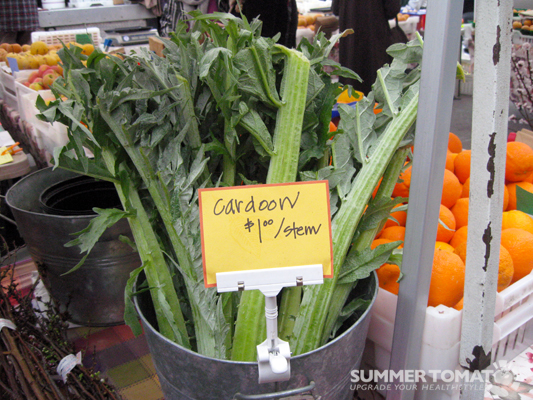
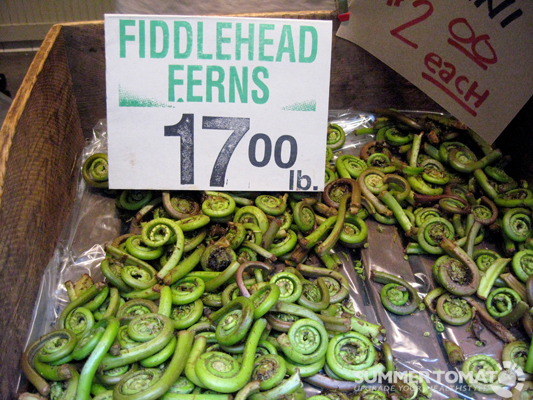
Fiddleheads are baby fern shoots that show up at Far West Fungi for a few weeks or so every spring. Cardoons–a unique and unwieldy vegetable–are also a rare seasonal find. Neither of these make my top 5 vegetables list, but they are fun to play around with if you are feeling adventurous.

I admit I’m a little more excited about the artichokes that are appearing everywhere. The past few years I’ve fallen in love with the baby ones, but I enjoy artichokes of all sizes. And it looks like I’m not the only one.

Artichoke Slug

Artichoke Slug

Cauliflower is peaking in season right now and trust me, you don’t want to miss it. Try roasting cauliflower florets at about 450 degrees with a little olive oil, sea salt, curry powder and coriander. Cover it with foil for the first 15 minutes, then remove the foil and let it brown until tender. Stir every 10 minutes or so. So easy and ridiculously tasty.

You can also find cauliflower’s prettier and more delicate cousin, romanesco.

Romanesco

Romanesco

Cauliflowers

Cauliflowers

Eggs are also easier to find at the farmers market this time of year. Right now I am smitten with the ones at Marin Sun Farms. They aren’t cheap, but they will blow you away. And you won’t get Salmonella.

Blood Oranges

Blood Oranges

Marin Sun Farms Eggs

Marin Sun Farms Eggs

The citrus season is also booming. Blood oranges and navels are wonderful right now, while the cute little clementines are almost gone. Also be sure to grab some Meyer lemons to squeeze on your asparagus and artichokes.

And root vegetables are still awesome.

Beautiful Turnips

Beautiful Turnips

Is it becoming springtime at your market?

Today’s purchases:

7 responses so far

Older Posts »