cabbage articles

Jan 29 2012

Farmers Market Update: January in San Francisco

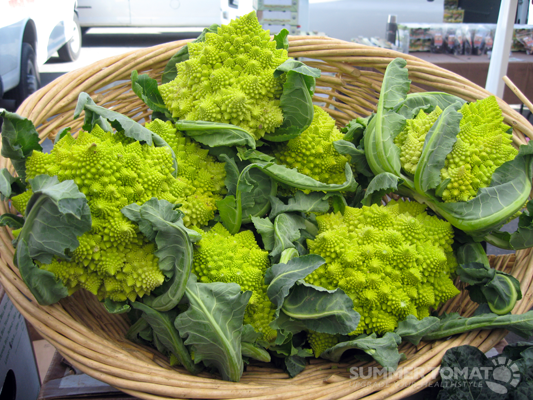
Romanesco

Romanesco

January in San Francisco is apparently a zillion times nicer than summer. Sure we had some rain last week, but it was so warm, clear and beautiful today I actually went to the market in a summer dress. After last year’s summer of fog, this is was glorious.

Bay Bridge

Bay Bridge

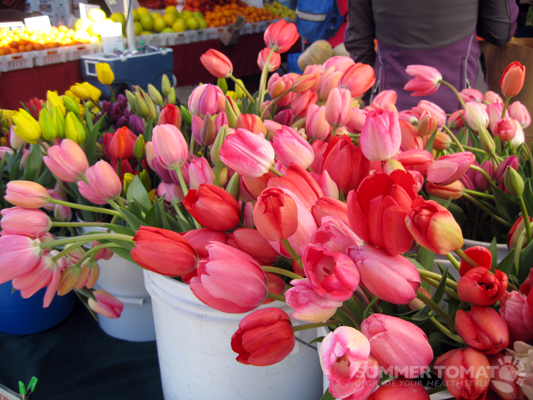
I don’t know if this is global warming or what. It’s certainly strange to see tulips, usually a hallmark of spring that appears in early April or late March, on the last weekend in January. Hard to complain though.

Tulips in January

Tulips in January

Despite the sun, most of the produce is still fairly wintery. One of the reasons I love this time of year is that brassica vegetables (the leafy greens) are so delicious now that eating lots of them is an absolute joy.

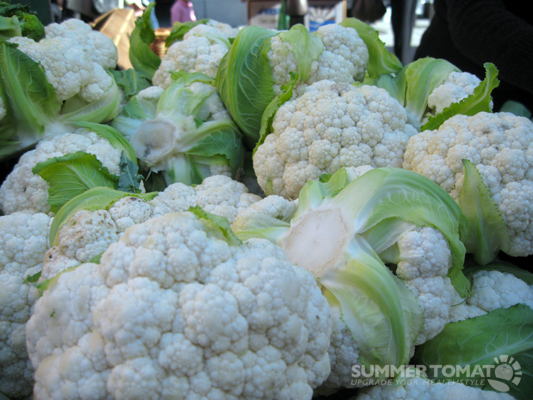
Cauliflower

Cauliflower

I can’t get enough kale, broccoli, and cauliflower. This weekend we got a bunch of cabbage, daikon and carrots to make a big batch of healthy, probiotics-filled sauerkraut.

Leeks, Cabbage and Daikon

Leeks, Cabbage and Daikon

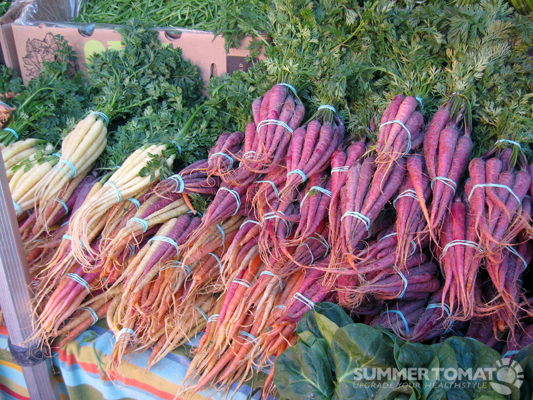
And speaking of carrots, they and other root vegetables like turnips and radishes are as sweet as can be. My puppy Toaster has learned to prefer these amazing farmers market carrots (yes my dog loves vegetables, go figure) and will actually turn his nose up at the ones I get at Whole Foods. Such a snob!

Colorful Carrots

Colorful Carrots

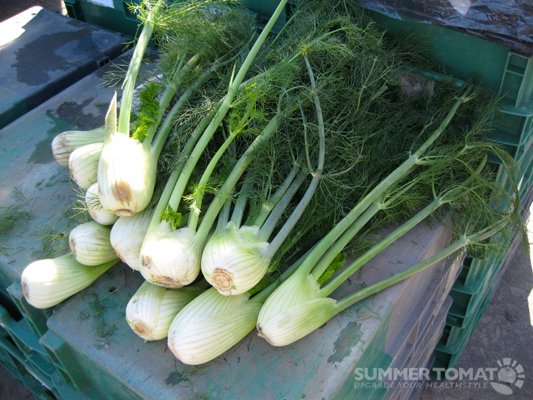
It’s also a great time for fennel.

Fennel

Fennel

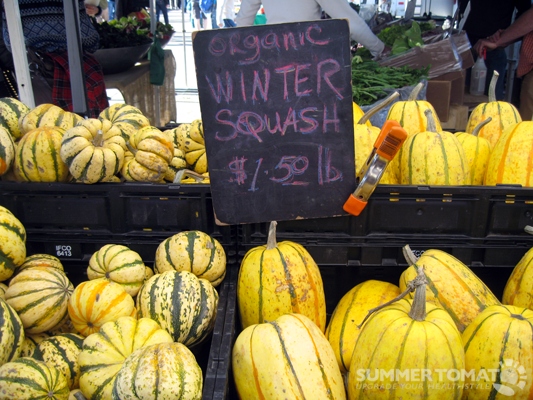
For those of you still obsessed with my winter squash recipe, unfortunately they’re getting harder to find. That is, unless you prefer delicata the size of a watermelon.

Organic Winter Squash

Organic Winter Squash

All in all it was a lovely day. Happy winter!

Yellow Oyster Mushrooms

Yellow Oyster Mushrooms

Today’s purchases (~$20):

4 responses so far

Jan 16 2011

Farmers Market Update: Is It Spring Already?

Pomelo

Pomelo

Residents of San Francisco woke up Saturday morning to a veritable spring day. The the sun was shining, the sky was clear and maybe, just for a moment, you could walk outside without a jacket.

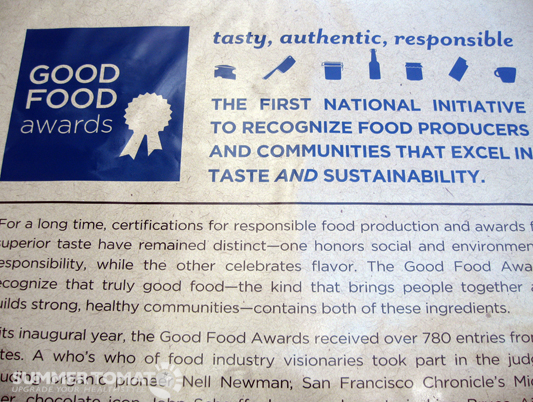
It was great to see the farmers market bustling for the first time since the holidays. Crowds were not only drawn by the weather, but also by the Good Food Awards that were being held this weekend at the Ferry Building. The GFA “grant awards to outstanding American food producers and the farmers who provide their ingredients.” Here are the winners.

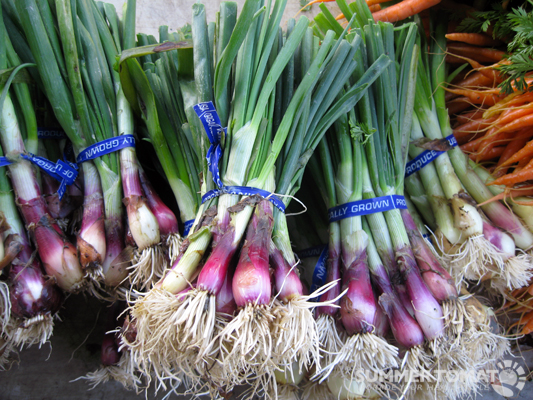
Spring Onions

Spring Onions

Good Food Awards

Good Food Awards

Spring wasn’t only in the air, it was also peeking out from some of the farm stands. I caught my first glimpse this week of spring onions. It isn’t much, but is a sign of what’s to come.

But let’s not get ahead of ourselves. Winter citrus is just now ramping up. Blood oranges and satsumas are my favorite now, but I’ll be hitting the pomelo scene next week for sure.

Satsumas

Satsumas

Orange Slices

Orange Slices

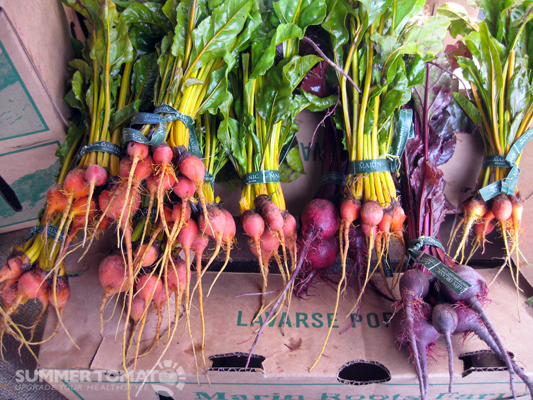
I’ve also been really impressed with the carrots lately, I’m really starting to appreciate how many varietals there are. Little ones, big ones, purple ones, white ones, orange ones. All very tasty.

Baby Beets

Baby Beets

Carrot Bouquet

Carrot Bouquet

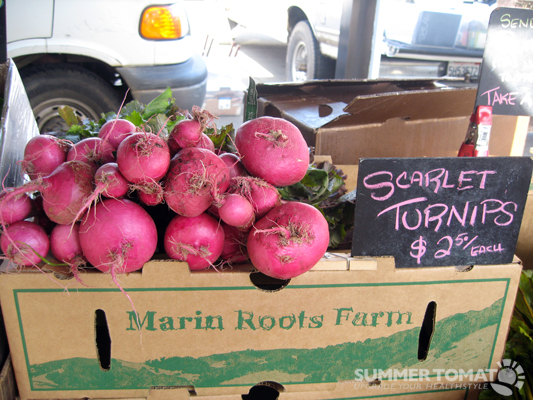
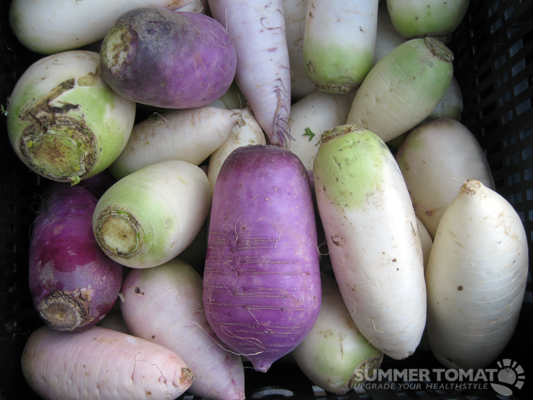
Of course, root vegetables in general are excellent now, very colorful and sweeter than they are most of the year. Like carrots, the variety of turnips is impressive.

Scarlet Turnips

Scarlet Turnips

Large Turnips

Large Turnips

Lastly, don’t forget your winter greens and herbs. Kale, chard and especially cabbage are as good now as they will be all year.

Winter Herbs

Winter Herbs

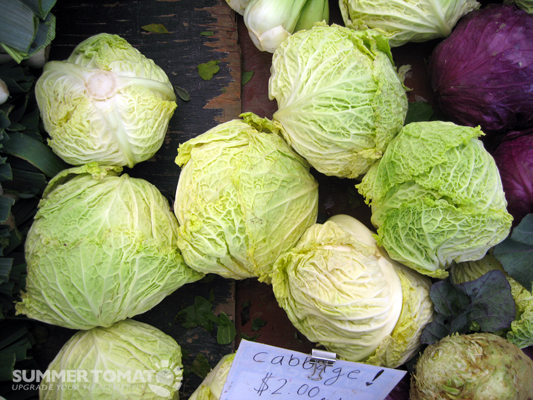
Cabbage

Cabbage

I didn’t buy much today since I left straight from the farmers market to Lake Tahoe. I just stopped by for the beautiful pictures.

What did you find at the market this week?

If you’d like to share your farmers market experience at Summer Tomato, please read this.

4 responses so far

Dec 05 2010

Farmers Market Update: Early Winter

Watermelon Radish

Watermelon Radish

I’m loving the changing seasons. Winter is moving in fast, but fall produce is just peaking in flavor.

Pomegranates are amazing right now. They are sweet and don’t make you pucker with tartness like they do early in the season. We’ve been stocking up on the juice and freezing it in ice cube trays to add to sparkling water spritzers for the rest of the year.

Big Hachiya Persimmons

Big Hachiya Persimmons

Pomegranate Ice

Now is also the best time to get persimmons, because they lack the chalky astringency they can have before they’re quite ripe. Remember, fuyu persimmons are eaten while firm (find a dark orange color) and hachiyas are ripe and edible when soft. I’ve noticed a lot of restaurants adding fuyus to salads and even savory dishes.

Colorful Carrots

Colorful Carrots

As winter approaches, we’re also seeing the emergence of root vegetables. Members of the radish family are less spicy and more sweet this time of year, making them perfect for winter salads. Today I stocked up on watermelon radish (aka watermelon daikon) and kohlrabi. I like to eat both of these raw.

Green and Purple Kohlrabi

Green and Purple Kohlrabi

Watermelon Daikon

Watermelon Daikon

But radishes aren’t the only root vegetables to experiment with this time of year. Celery root has a subtle taste like celery but a consistency more like a potato. It’s great to puree, roast or add to soups. Sunchokes (aka Jerusalem artichokes) are another of my winter favorites. They’re flavor is remarkable, reminiscent of artichoke but more like a delicate potato in appearance.

Organic Sunchokes

Organic Sunchokes

Celery Root and Carrot

Celery Root and Carrot

Parsnips are another delicious root vegetable great for cooking. They look like white carrots but with a more herbal flavor. They are also great for roasting and purees.

Christmas Bells

Christmas Bells

Large Parsnips

Large Parsnips

Although it is fairly late in the season, there are still some peppers around. Though the selection is limited, you can still get beauties like these Christmas bells.

Winter is also a great time for greens. Chard, collards, kale, cabbages all get sweeter this time of year, and are a great accompaniment to roasted winter squash with beans or meat dishes.

Cabbages

Cabbages

Winter Greens

Winter Greens

Brussels sprouts and broccoli are also sweeter than usual.

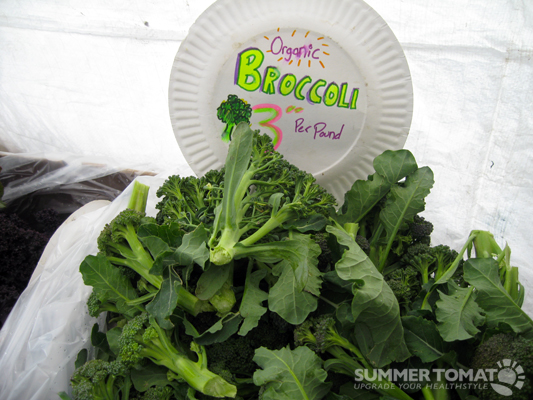
Organic Broccoli

Organic Broccoli

Brussels Sprouts

Brussels Sprouts

I also found a few more exotic ingredients this week, including Indonesian lemon leaves (any relation to kafir lime leaves?) and aloe vera.

Aloe Vera

Aloe Vera

Indonesian Lemon Leaf

Indonesian Lemon Leaf

Oh, and crab season has started!

Dungess Crabs

Dungeness Crabs

Today’s purchases:

If you would like to share your own local farmers market with Summer Tomato readers please click here.

One response so far

Feb 28 2010

Farmers Market Update: Springtime

Loose Beets

Loose Beets

I know that it is technically still February, but I’m going to officially declare it springtime here in San Francisco, at least for all of us foodies.

The spring greens are in full effect. Today I found spinach, lettuces, asparagus and even pea shoots.

Pea Shoots

Pea Shoots

Asparagus

Asparagus

Brassica greens like kale and cabbage were around for most of the winter, but now we are seeing the late season varieties such as these savoy cabbages.

Savoy Cabbage

Savoy Cabbage

Herbs and onions are getting more diverse as well, as more delicate herbs like cilantro and thyme are reappearing. Still no basil though.

The giant leeks you can find these days are epic.

Big Leeks

Big Leeks

Fresh Herbs

Fresh Herbs

The root vegetable season is also shifting to the tail end. I’m seeing fewer radishes and other spicy roots, but sweet beets and carrots are thriving.

Carrots

Carrots

In fruit, citrus is still where it’s at. Tropical fruits like kiwi, mango and guava are also available. But it’s hard to beat these $1 navel oranges from Hamada Farms.

Deceptive Tomatoes

Deceptive Tomatoes

Navel Oranges

Navel Oranges

You should still avoid the deceptively juicy looking tomatoes, however. Trust  me, they aren’t good. The vendor said it will be about 3 weeks before the heirlooms show up.

Until then you’ll have to amuse yourself with all the rest of the amazing spring produce. These flank steaks look pretty awesome too.

Flank Steaks

Flank Steaks

Today’s purchases:

Is your season turning?

10 responses so far

Jan 11 2010

Winter Salad Tip: Making Tough Greens Soft

Winter Salads

Winter Salads

Today Nathalie Lussier is sharing her secret tips for making tough winter greens soft enough to eat in salads. Winter salads are a perfect use for all the lovely radishes, kohlrabi, carrots, beets and other sweet vegetables available this season at the farmers market.

Top off your salad with hazelnuts, grapefruit and some shaved cheese for a satisfying winter meal or side dish.

Nathalie Lussier helps people overcome unhealthy food cravings so they can eat more fruits and vegetables, and experience the magick of raw foods. She’s known as The Raw Foods Witch.

How To Use Winter Greens In A Salad

by Nathalie Lussier

Winter might not strike you as salad season, but there are plenty of delicious hearty greens to be had this time of year. One trick is to marinate the leaves so they soften and are easier to chew.

Here’s how to prepare some of these tougher greens and enjoy rich, satisfying salads year round.

Choosing Hearty Greens

The foundation of any good salad is the green component. Usually we think of lettuce, but there is a world of other greens to explore.

So what options do we have when it comes to hearty greens?

1. Kale: Kale is a tough vegetable that can handle the cold. It has a strong taste, but with a little bit of massaging it can make a really satisfying salad green. There are a few varieties, from the most common curly green to the spotty dinosaur (aka Tuscan) and beautiful purple kales. They are each slightly different and you should experiment with them all.

2. Cabbage: Cabbage is a tried and true winter veggie, but we can go beyond the usual coleslaw, saurkraut and cooked cabbage. Different colored cabbage adds beauty and variety to your salads, as well as sweetness and a crispy texture.

3. Swiss Chard: A relative of spinach, Swiss chard has a thick midrib that comes in a rainbow of colors like green, white, red, pink, and yellow. Swiss chard is great in salads and can be easier to chew than some of the others.

Washing & Cutting The Greens

kale-destem

De-stemming Tuscan Kale

Wash the greens thoroughly, you never know when a caterpillar will decide to make her home in a leaf of kale.

The way you cut the greens is important because you want them to absorb the marinade and soften.

Cutting Kale and Swiss Chard

For both kale and Swiss chard, you need to remove the stems by using a knife and slicing them out vertically. You can then chop up the stems and add them back to the salad like you would celery or other hard vegetables.

After you’ve removed the stems, slice the kale and chard horizontally into 1 inch strips. Put the sliced greens in a large bowl.

Don’t worry if you think you sliced up too much, it will shrink down in size as it marinates.

Cutting Cabbage

If you’re using cabbage, cut the cabbage in half and then use a knife to cut thin strips. These should look like coleslaw slices. You may have to cut them lengthwise if they are too long.

I recommend you cut the whole cabbage and make a big batch, unless you have something else planned for the other half. Making large batches at once makes future healthy meals that much easier.

Massaging & Marinating The Greens

This is the magic part that will take regular tough greens and turn them into the perfect salad.

Ingredients

  • Your chosen greens or a combination of them (1 bunch)
  • 2 tbsp Extra Virgin Olive Oil or more as needed
  • Juice of 1/2 a lemon
  • Pinch of Celtic sea salt

Now it’s time to get your hands dirty! Add the ingredients into your mixing bowl and massage them into the greens with your hands.

You really want to squeeze the oils and juices into the greens, because that’s what will make them truly mouthwatering.

The Final Touches

After you’ve thoroughly massaged your winter green salad, add any other chopped vegetables you like, or any of these salad toppings.

Dress the greens and veggies for a hearty, satisfying winter salad!

Don’t let tough winter greens turn you off salads. Once you know how to make those winter greens more palatable, you’ll be eating delicious raw salads all year round!

Do you have any winter salad tips?

7 responses so far

Older Posts »