Archive for February, 2011

Feb 27 2011

Farmers Market Update: SF Snow Day

Arugula Blossoms

Arugula Blossoms

Somewhere I heard a rumor that SF was supposed to have its first snow in 35 years this weekend. This struck me as odd for a few reasons. First, I’ve lived here 14 years and it has snowed at least twice. Second, though it is very cold, it’s amazingly beautiful outside.

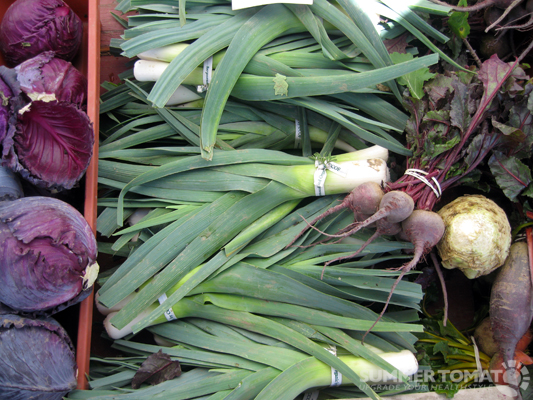
Spring Leeks

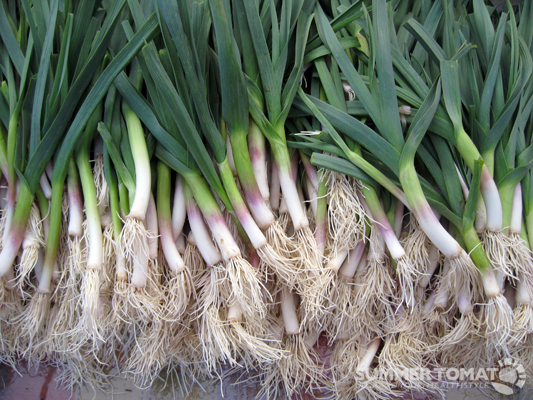
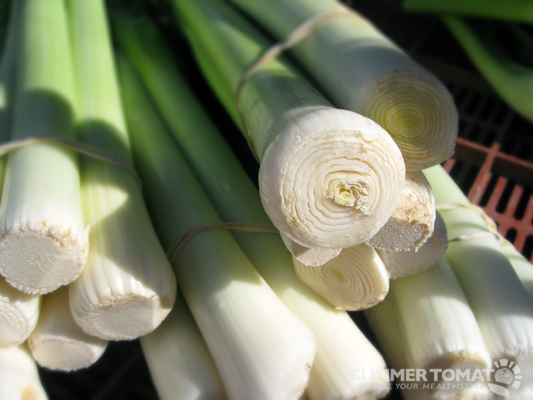
Spring Leeks

Not surprisingly, instead of snow today it was one of the most beautiful farmers market days of the year. +1 global warming.

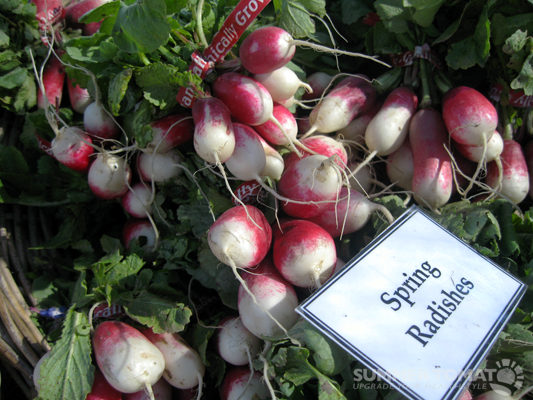
Spring Radishes

Spring Radishes

In fact, the sun was so bright I could barely capture any decent photos. The long shadows and high contrasts that come with sunshine are usually buffered by the sky in foggy SF. Not today!
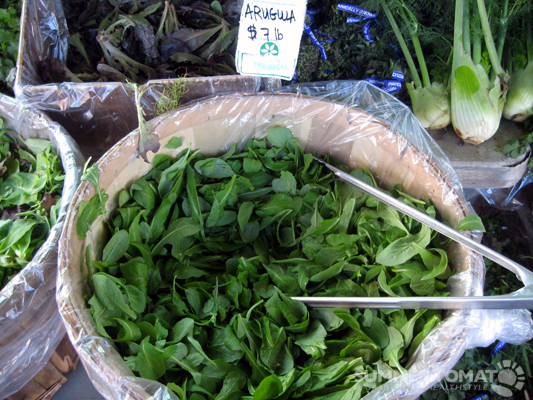
Arugula

Arugula

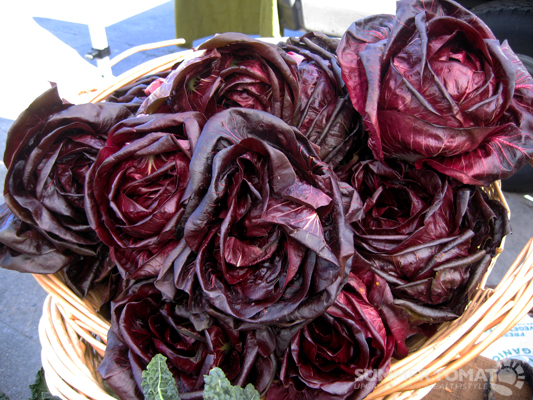
But the good news is that spring is everywhere. I think what I’m most excited about is all the delicate salad greens. As much as I enjoy the kale and cabbage we’ve had the past couple months, it hurts my soul to go too long without fresh spinach, arugula and treviso.

Treviso

Treviso

If you aren’t familiar with treviso, it is a bitter green (sometimes purple) similar to radicchio. And today at Capay Organics it happened to look like a bunch of roses.

Artichokes

Artichokes

And speaking of vegetables that look like flowers, the artichokes are also looking fantastic. I didn’t get any this time, but will have my eyes out for them next week.

Kale and Chard

Kale and Chard

Of course I also stocked up on my obligatory kale and cabbages. They were just too beautiful to ignore, and I know this is the best time of year (especially for the cabbages).

Pretty Cabbages

Pretty Cabbages

The best part of all? Winter and spring vegetables are some of the most affordable of the year. Since a few people have asked about cost I’ve started keeping better track of the money I spend at the market. For the second time in a row, I came in under $20.

Today’s purchases:

Market quote of the day: “Yep, every house needs limes. Especially on weekends.”

One response so far

Feb 25 2011

For The Love Of Food

Filed under Link Love,News

For The Love of Food

Welcome to Friday’s For The Love of Food, Summer Tomato’s weekly link roundup.

This week we finally have definitive proof that the Biggest Loser and Dr. Oz are pure evil. It was just a matter of time. Also, a thought provoking piece on food prices, more condemning news for diet soda and a new recipe search tool from Google.

I read many more wonderful articles than I post here each week. If you’d like to see more or just don’t want to wait until Friday, be sure to follow me on Twitter (@summertomato) or the Summer Tomato Facebook fan page. For a complete list of my favorite stories check out my links on Digg. I’m very active on all these sites and would love to connect with you.

Links of the week

What inspired you this week?

7 responses so far

Feb 23 2011

6 Things To Consider Before Buying A Juicer (+ more tips for fruit & vegetable juicing)

Photo by Tawheed Manzoor

Juicing fruits and vegetables is widely considered a healthy habit, even though most nutrition experts caution against the excessive sugar and calories you get from juicing.

Although I’ve had tons of questions about it, I’ve avoided discussing juicing at Summer Tomato because I didn’t think there were enough positive things to say to warrant an entire blog post.

That is, until I got a juicer.

Two months ago a Breville juicer and blender magically appeared in my kitchen. I wasn’t particularly excited about it, but agreed to participate in the ensuing juicing experiment–for research purposes, of course. The idea was to start juicing a few mornings a week, just to see what happens.

I was more than a little surprised how much I enjoyed it. Even though it was mostly vegetables, I expected the juice to be very sweet, which it wasn’t. Instead it was bright and refreshing, like a summer salad. It also tasted and made me feel good, and as long as I kept the serving size to 8oz or less it was easy to maintain my weight.

But juicing is not for everyone. And before jumping in head first, there are a few things you should consider.

6 Things To Consider Before Buying A Juicer

1. Fruit juice and vegetable juice are not created equal

It may sound counter-intuitive, but fruit juice may actually raise your risk of heart disease. Fructose, the primary sugar found in fruit, is transformed into triglycerides in the liver and promotes insulin resistance, both of which promote heart disease.

Why do you think high-fructose corn syrup is so bad for you?

While whole fruit does not typically pose a problem because of its high fiber content, concentrating fruit by juicing it increases the fructose per serving dramatically. Think about how many oranges go into making one small cup of OJ, and you’ll start to see what I mean.

If you’re getting a juicer because you think apple-orange juice is going to make you healthier, you’re in for an unpleasant surprise. Plan to juice mostly vegetables or else getting a juicer is not a particularly healthy choice.

2. You still need to eat your vegetables

Don’t assume that drinking your vegetables is the same as eating them. Yes, as in the case with fructose you will be concentrating vitamins and minerals from your vegetables, but you will also be losing a lot of fiber that slows digestion and helps you feel full.

The rate you digest food and your satisfaction after eating are just as important to your overall health as the nutrients you consume. So while juicing can add to your overall nutrient intake, it cannot replace your daily vegetable consumption.

3. Juicing may stall weight loss

Though vegetables have less fructose than fruit, it is still an incredibly efficient way to take in calories, something most of us don’t need. If you choose to experiment with juicing while attempting to lose weight remember that you still need to watch your portion size, and consider reducing it if weight loss stalls.

I recommend no more than one 8oz juice serving per day. This is pretty small.

4. Prepare to do a lot of shopping

As noted in the above points, juicers take large quantities of vegetables and turn them into small amounts of juice. Additionally you need to continue buying and eating vegetables for your regular meals.

All this means you’d better plan to do a lot of shopping for produce if you want to keep your refrigerator stocked. If you aren’t prepared for this, you might find you don’t get the use you expected out of your new purchase.

5. Expect to drop some cash

Juicers aren’t cheap, nor are all those shopping trips. Consider juicing a luxury, not a necessity. So if money is an issue for you, you might want to look elsewhere to upgrade your healthstyle.

One thing we’ve experienced with the Breville juice and blend is that it feels like overkill for the kind of juicing we’re doing at home. While some of you may be juicing for large groups, juicing for two does not require an industrial strength machine.

Keep in mind that a larger, more powerful juicer will be harder to work, harder to clean and difficult to store. Consider a smaller size if possible. This smaller model from Breville looks like a fantastic option for a 2-person household.

Here’s a good midrange option: Breville Juice Fountain Elite 1000-Watt Juice Extractor

6. Expect a time commitment

All the shopping, juicing and cleaning does take some time. Making juice for two and cleaning up takes about 10-15 minutes each morning. And as I mentioned above, extra shopping is required (we can no longer fit a week’s worth of vegetables in the fridge, so multiple store trips are necessary).

While the extra work is worth it if you enjoy the juicing experience, you should factor it in while making your purchasing decision.

A few other tips for juicing

If you do decide to take the plunge, here are a few suggestions we’ve found make the best juicing experience:

  • Focus on vegetables, but include some fruit. We’ve found that one small apple makes a huge difference in flavor. This is all we recommend so far in the fruit department.
  • Include 1-2 root vegetables–such as carrots or beets–to add additional flavor and antioxidants. We like to include either 2 small carrots (1 large) or 2 small beets (1 large). These tend to contribute a tad more sugar and a nice earthy flavor, adding complexity.
  • Add at least one leafy green vegetable. We’ve been happy with kale, broccoli and chard (currently in season), but others likely work as well.
  • Include one watery vegetable. Cucumber, celery and other watery vegetables help dilute the too-strong flavors of the previous 3 ingredients. This can make a big difference in drinkability, while adding some nice flavor and additional vitamins.
  • Don’t forget a garnish. A small amount of a strong flavored item such as ginger, lemon, mint or other herb can make your juice a real pleasure to drink while adding highly concentrated antioxidants.
  • Consider adding back a few scoops of the fiber that is filtered out by the juicer. This will make your juice more filling.

Do you juice vegetables? What are your favorite tips?

31 responses so far

Feb 21 2011

Dosa’s Rasam “Fire Broth” Recipe

Filed under Recipes,Year Round

Dosa's Rasam

Dosa's Rasam

I’m absolutely delighted to be sharing this top secret recipe from the kitchen of one of my favorite restaurants, Dosa. I recently highlighted this recipe in an article I wrote about lentils and their health benefits for Edible SF, where you can read more about the soup.

Dosa owner Anjan Mitra is very protective of his recipes and I am eternally grateful to him for sharing this one for rasam, a spicy lentil soup. If you have a minute please stop by and thank him on Twitter (@dosasf) and Facebook.

If you’ve never explored Indian cooking, it’s a fantastic way to familiarize yourself with new spices and feel like a culinary badass. These recipes never cease to impress, and as much as I adore (and rely on) simple recipes, it’s fun to try something a little more challenging every now and then.

The hardest part of this recipe will be tracking down some of the more elusive ingredients. While the majority of the spices can be found at a regular grocery store, a few ingredients may require a trip to an Indian grocery or specialty store. For more info on the ingredients, check out my last article on rasam ingredients.

A few notes before you begin:

  1. You’ll need a spice grinder. A coffee grinder will work, but you’ll need to clean it well before using it again for coffee.
  2. Curry leaves are not necessary if you can’t locate them, but do not attempt to substitute curry powder.
  3. The better quality tomatoes you use, the better the recipe will turn out.
  4. This is meant to be spicy, but you can adjust the spice level depending on your tolerance by switching up the type and number of chilies you use.
  5. The lentils and the tamarind each require a 1 hr soak before cooking, so plan accordingly.
  6. Since some of the ingredients are difficult to find, once you have them you can make a large batch and freeze the rest in quart-sized containers.

Dosa’s Rasam “Fire Broth” Recipe

© DOSA May not be copied or distributed without prior written permission

Approximately 8 portions.  Naturally vegan & gluten-free.

Ingredients:

  • 1/2 c. Toor dal (lentils) aka Pigeon Peas, available at most Indian grocery stores
  • 4 Organic red tomatoes cut and blended
  • 1 1/2 sq. inch Tamarind pulp (usually sold in blocks)
  • 1/2 Organic lemon
  • 1/4 c. Chopped cilantro
  • 6 Cloves of garlic
  • 5 Dried red chilies
  • 6-8 Fresh curry leaves (leave out if you can’t find them, do not use “curry powder”)
  • 4 tsp Cumin seeds
  • 3 tsp Whole black peppercorns
  • 4 tsp Coriander seeds
  • 1 tsp Mustard seeds
  • 1/4 tsp Turmeric
  • 1/8 tsp Asafetida (This stuff is very potent so don’t overdo it. Gluten-free versions with rice-flour are available.)
  • 10-11 c. Water
  • 1-2 tbsp Oil
  • 1 1/2 tsp Salt

Preparation:

Tamarind

  1. Soak the tamarind in 1/2 cup of water for 1 hour.

Toor dal

  1. Soak to the Toor Dal in 1 cup of water for 1 hour.
  2. Add 5 additional cups to the Toor dal and cook for about 15 to 20 minutes on a medium flame or until grains are very soft and blending with the water. (Note from Darya: this took closer to 30 minutes for me)
  3. Let it cool for 5 mins, then blend the Toor dal with the water. (Note from Darya: a hand blender works well)

Garlic

  1. Crush whole garlic and grind into a paste (Note from Darya: use mortar and pestle or back of wooden spoon)

Powdered Spice Mixture

  1. Grind cumin, peppercorn and coriander seeds. It can stay relatively coarse, but should be fine enough to drink in the soup.
  2. You can use a coffee grinder, however, be sure to clean it thoroughly after use.

Tomatoes

  1. Cut and blend the tomatoes into a pulp. (Note from Darya: use a food processor or blender)

Cooking:

**Have all your ingredients ready since some of these steps are relatively quick

  1. Add a minimal amount of oil to coat the bottom of a soup pot.  Turn to medium-high heat.
  2. When the oil is hot, add mustard seeds, dried red chiles and curry leaves.
  3. Keep stirring for about 2 minutes. You’ll get the aromatic flavors of these ingredients.
  4. Add asafetida and keep stirring for another 30 seconds.  This has a very strong aroma of onion and garlic so make sure you don’t add too much.
  5. Add turmeric and crushed garlic paste. Lower the flame slightly and keep stirring to ensure the garlic doesn’t burn. Stir for another 2 to 3 minutes or until the raw garlic flavor has dissipated.
  6. Add the fresh tomato pulp.
  7. Add tamarind pulp with the water in which it’s been soaking.
  8. Stir and cook for about 2 to 3 minutes on a medium flame.
  9. Add the powdered spice mixture.
  10. Cook for about 5 to 6 minutes on a medium flame.
  11. Stir intermittently. You’ll notice the aromatic flavors of the spices.
  12. Add the blended Toor dal (lentil) and stir.
  13. Add remaining water about 2 to 3 cups. You can add more or less water depending on how thin or thick you would like the soup. It’s flavorful enough to be served relatively thin.
  14. Add cilantro.
  15. Add salt.
  16. Squeeze 1/2 an organic lemon.
  17. Simmer for 10 minutes and stir intermittently. Do NOT boil or cook. When it starts to froth you’re done.
  18. Check salt and add to taste if needed. (Note from Darya: I added an extra 1/4 tsp to get the same taste as at the restaurant)

Serving:

  • This nutritious and flavorful soup has a grainy and coarse texture as a result of the coarsely blended spices.
  • Stir the pot before ladling the soup into a cup as the spices will settle to the bottom.
  • Serve hot and garnish with cilantro.
  • It can be drunk straight from a cup or even eaten with rice.
  • You won’t even notice it’s vegan and gluten-free!

HUGE thanks to Anjan and Dosa for sharing this amazing recipe.

11 responses so far

Feb 20 2011

Rain Day: Jai Ho Indian Grocery

Filed under Exotic,Farmers Market

Rasam Ingredients

Rasam Ingredients

The rain didn’t let up yesterday, so rather than face the cold wet farmers market I decided to visit the Jai Ho Indian grocery store to pick up some ingredients I can’t find at my normal spots.

Jai Ho was recommended to me by Anjan Mitra, a friend and owner of San Francisco’s premier South Indian restaurant Dosa. I’m a huge fan of Dosa and recently interviewed Anjan for an article about lentils and their health benefits I wrote for Edible SF.

Indian Groceries

Dry Goods

Jai Ho Indian Grocery

Jai Ho Indian Grocery

I’m delighted to report that Anjan was nice enough to share his amazing Rasam “fire broth” recipe for lentil soup, which I’ll publish here at Summer Tomato tomorrow.

Today I want to share some of the ingredients that go into the soup, since they may not be familiar to those of you who don’t have experience cooking Indian food.

Toor Dal

Toor Dal

The soup is based on a type of lentil (“dal” in Hindi) called toor dal, or pigeon peas. Toor dal are medium sized yellow lentils that fall apart easily when cooked through. You should be able to find them at any Indian grocery store.

The recipe also calls for wet tamarind pulp, the kind sold in blocks. The one I got actually had chunks of stems in there, which I had to pick out.

Asafetida

Asafetida

Wet Tamarind

Wet Tamarind

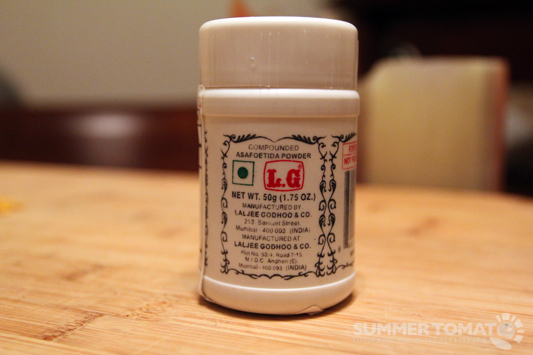
Asafetida is a potent smelling herb that comes in powder form. This was the first time I had worked with it so I had to check Wikipedia to see exactly what it is. Apparently asafetida is also known as “devil’s dung” but, ironically, is a known antiflatulent. How have I never heard of this stuff?

Turmeric

Turmeric

The only other ready ground spice used in the recipe is turmeric, which some research suggests may help in preventing Alzheimer’s disease. You can find ground turmeric at any grocery store.

Dried Chilies

Dried Chilies

As you might expect, the soup calls for several sources of heat. The first are dried red chili peppers. I used my own Thai dragon peppers I dried last summer, but any form of red chili works here.

Whole Black Peppercorns

Whole Black Peppercorns

Some of the heat also comes from a generous portion of black peppercorns, which are ground together with several other spices that form the main flavors of the soup.

Cumin Seeds

Cumin Seeds

The other spices in the mixture are cumin and coriander seeds. Mustard seeds are also called for, though these are added whole and are not ground with the other spices.

Coriander Seeds

Coriander Seeds

One of the hardest to find ingredients for the recipe is fresh curry leaves. The recipe is very explicit that if you cannot find them you should leave them out and under no circumstances substitute ground curry powder. I was able to find fresh leaves at Jai Ho, and their flavor was more subtle than I expected.

Fresh Curry Leaves

Fresh Curry Leaves

And of course, don’t forget your garlic.

Garlic

Garlic

Stay tuned tomorrow for Dosa’s rasam recipe.

12 responses so far

Older Posts »