Sign up

You deserve to feel great, look great & LOVE your body

Enter your email for your FREE starter kit to get healthy & lose weight without dieting:

  • This field is for validation purposes and should be left unchanged.

FAIL: The Wild Radish Rapini Challenge

by | Mar 11, 2009

Want to get people to eat more vegetables? One way NOT to accomplish it is to have them eat something that doesn’t taste good.

I tried a recipe for radish rapini (radish greens) this weekend that really let me down. The rapini itself was delicious, but overall the dish was a huge disappointment.

All is not lost, however. I’d be willing to bet just a minor tweak could transform this dish from cloying to classic!

The Challenge

You might remember that Saturday at the farmers market I was challenged by Knoll Farms to buy and prepare some of their wild radish rapini. I didn’t really accept the challenge, which would have involved giving them my name in the event that I seriously wanted my money back after trying it (I still don’t). But I did buy their greens and borrow their recipe.

Admittedly it was a mistake on my part to tell you guys I would try this recipe before really reading it (I have a tendency to skip this critical reading step before deciding to cook something–probably not the best habit). But once I made the commitment I didn’t want to mess with the recipe too much.

In retrospect I wish I had gone with my gut on this one and altered it anyway.

My Main Complaint?

Their recipe called for equal parts coconut oil, raw honey and tahini. Tahini I can understand. It has a wonderful rich, smokey flavor that I use on greens regularly. I have no experience with coconut oil, but have heard good things and was interested in trying it.

Honey is a different story.

Personally I would never put honey on greens. Raw or “healthy” or whatever, sugar is sugar. It is hard enough to avoid sweets in this food culture without adding sugar to vegetables.

My brain warned me of all these things. But for you, dear readers, I followed the recipe anyway.

Taste

From a culinary perspective, the honey was just as unsavory (um, pun intended). I freely acknowledge that there are a few dishes where a touch of honey/sweetness can add a nice element and heighten the dish. I was willing to give the Knoll folks the benefit of the doubt for 2 reasons:

  1. I have never had “raw” honey and thought maybe it would taste different than the honey I was used to. It didn’t.
  2. I thought there was a chance the sweetness would balance the smokey flavor of the tahini (I was dreaming of Hawaiian BBQ). Maybe a different ratio of honey and tahini works, but it certainly doesn’t at 1:1.

So from my perspective the dish was too sweet. Sickly sweet. The honey completely overpowered the brightness of the greens (which were wonderful!). If I had to change only one thing in this dish, I would substitute Meyer lemon juice for the honey.

I bet that would be good! It could also use some garlic.

The Recipe

When I cooked the greens I followed their recipe exactly. I blanched them for ~4 minutes until they were bright green, squeezed out the water and cut them up. The taste test I did at this point was really encouraging.

I premixed the wet ingredients. Both the coconut oil and the honey were solid at room temperature so I microwaved them for 15 seconds.

When I tasted the dressing at this point I knew it would be too sweet, so I only used about half of it. I had already halved the dressing ingredients because I had fewer greens than the recipe called for, so there is no chance that I had simply “over-dressed” the greens. The dressing was bad. Really bad.

Tempeh

To make a complete meal I cooked up some tempeh to toss with the dish. Tempeh is an Indonesian-style fermented soy product. It is an interesting ingredient that takes some getting used to, but once I figured out how to cook it I fell in love with it. For herbivores and omnivores alike, it is a great source of protein that adds both depth of flavor and nutrition to any vegetable dish.

I prepare tempeh by thinly slicing it and lightly cooking it in olive oil until golden brown. (In this recipe I thought I might try something new and cook it in the coconut oil, and it was a complete disaster. It started smoking almost instantly and I had to add olive oil to the pan to prevent excessive burning.) After it has browned slightly on both sides I toss in a few tbsp of light soy sauce, which quickly sizzles, caramelizes and coats the tempeh.

It is important to keep stirring constantly (it could be described as “frantically”) for about 30 seconds after adding the soy sauce then immediately remove the tempeh from the pan. If you try this at home, be extra careful not to burn it.

Usually I eat tempeh tossed with either kale or broccoli shoots pan fried with garlic, served on a bed of brown rice. I guess it is ironic that my favorite garnish is a drizzle of tahini.

In this case I added the tempeh to the rapini greens. The whole thing was okay, but rather unsatisfying compared to my normal dinners. I probably should have tried this recipe instead.

Conclusion

All in all, this is not the recipe I would choose if I wanted to get people to like a new vegetable. In my experience the best way to get someone to appreciate something new is to add bacon.

Maybe next week I’ll try wild radish rapini again with my own recipe, or maybe something new and exciting at the market will distract me. We’ll see.

Share your favorite recipes (or links) for great ways to cook unusual foods!

Tags: , , , , , , , , , ,

The Curious Case of HDL Cholesterol

by | Mar 9, 2009

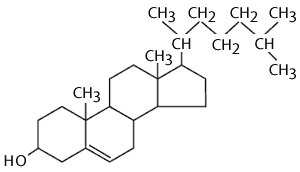
cholesterol chemical structureDrug treatments that raise the “good” high density lipoprotein (HDL) cholesterol do not improve health outcomes, according to a new analysis. But some researchers suspect raising HDL through lifestyle changes may still be effective in treating heart disease.

HDL is the form of cholesterol that actively removes dangerous lipids from the blood, and has long been thought to be protective against heart disease. This form of cholesterol is believed to work in opposition to low density lipoprotein (LDL) cholesterol, which is strongly correlated with heart disease and cardiovascular mortality. Thus the ratio of HDL to LDL cholesterols is often considered the most important indicator of heart disease risk.

Strong clinical evidence shows that LDL lowering drugs like statins can protect against heart disease and cardiovascular mortality. However there is still no effective way of improving cardiovascular outcomes by directly targeting HDL cholesterol.

Pharmacological treatments that raise HDL cholesterol levels include fibrates, niacin and a Pfizer drug called Torcetrapib. However, trials that tested these drugs for improved cardiovascular outcome have yielded mixed results. Rather than lowering mortality risk, evidence suggests that fibrates and Torcetrapib actually increase mortality in patients. Some trials have shown niacin to be effective at reducing cardiovascular events, but the data are inconsistent.

A new meta-analysis published in the British Medical Journal asked whether pharmacological treatments that are known to raise HDL can improve cardiovascular outcomes. After adjusting for several known confounders (including the effect of LDL cholesterol) pharmacological treatments that raise HDL were not effective at protecting against heart disease.

Does this mean that HDL is not important for heart disease? Not necessarily.

The original studies that implicated HDL in heart protection were observational. For example, it was shown in the Framington Heart Study that people with HDL levels greater than 60 mg/dL have a reduced risk of heart disease compared to individuals with lower HDL. Likewise, individuals with less than 40 mg/dL of blood HDL are considered at risk for coronary heart disease, even when LDL cholesterol is relatively low.

Additionally, lifestyle choices that contribute to raising HDL are associated with a lower risk of heart disease. Examples of these are physical activity, weight loss, not smoking, increased omega-3 fatty acid consumption, decreased trans fat consumption, alcohol consumption and dietary soluble fiber. Also, diets low in saturated fat but relatively high in unsaturated fats have been shown to raise HDL and decrease heart disease risk.

All these HDL raising activities can improve cardiovascular outcome. However, this does not mean that HDL itself prevents heart disease. Rather, it seems to be a good biomarker (observational correlate) of heart disease.

Why are pharmacological methods of raising HDL not helpful (and possibly even harmful) at treating heart disease?

One possible explanation for this discrepancy is the observation that HDL has different forms, some that are protective and others that are harmful. For instance, some interventions may raise HDL cholesterol by limiting its breakdown (harmful), while others raise it by increasing HDL production (more beneficial). Also, some methods that increase HDL do so in a way that creates new problems, such as increased blood pressure.

The complex interaction between pharmacological interventions, HDL metabolism and cardiovascular outcome may have made it difficult to detect any benefit of raising HDL cholesterol in this meta-analysis. Since pharmacological intervention for raising HDL does not consistently help (and sometimes harms) cardiovascular outcome, lifestyle changes remain the most promising target for raising HDL to protect against heart disease.

Anyone want to guess how high my HDL cholesterol is??

Tags: , , , , , , , , , , , , , ,

Farmers Market Update: Spring Ahead

by | Mar 7, 2009
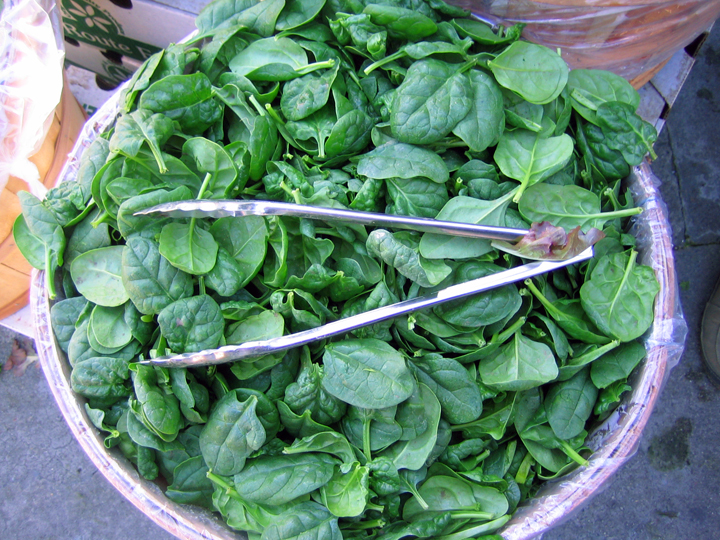
spinach basket

spinach basket

Tonight we are supposed to adjust our clocks and spring ahead into longer, warmer days. And judging by the bustling crowds at the San Francisco Ferry Plaza Farmers Market, daylight savings has arrived just in time.

The market was packed today. I went a little later than normal, but I think the reason for the crowds was the beautiful, sunny weather. Spring is clearly in the air and sprightly greens are all the rage. wild radish rapini It is wonderful to see so much excitement over broccoli shoots, asparagus spears, baby kale and green garlic (to name a few of this week’s farmers market treasures). In fact, people were so captivated by all the vegetables today the Girl Scout’s cookie stand was entirely deserted! (Hooray for vegetables!)

Shortly after beginning my own shopping spree, I was “double dog dared” to take the Wild Radish Rapini Challenge by Knoll Farms. The deal was that whoever was willing to buy a 1 lb bag of wild radish rapini ($5) and try their recipe (free) would be guaranteed to love it. If the greens did not live up to your expectations, you could bring back the recipe the following week and get your $5 back. Could I turn this down?sliced cara cara oranges

I ended up only buying half a pound (a whole pound is a lot for one girl), but I’m excited about it! Their recipe is “coconut sesame” and sounds interesting. Stay tuned for the outcome.

On the citrus front, the season is in its final hurrah. Late season fruits like tangelos and kumquats are finally peaking, while pomelos and grapefruits are gracefully bowing out. The $1/lb navel oranges at Hamada Farms are still amazing though. This might be the best deal at the market right now.

I will end by saying it was really nice to be back in my element today. As you know, I was out of town last weekend and when I returned I had to go the week with minimal fresh produce. I managed to survive, but it wasn’t easy 😉 mustard greens

Today’s purchases:

  • Wild radish rapini (Knoll Farms)
  • Dino kale (Capay Organics)
  • Collard greens (Capay Organics)
  • Carrots (Star Route)
  • Thyme (Star Route)
  • Asparagus (Zuckerman’s)
  • Kiwi (Four Sisters Farms)
  • Navel oranges (Hamada Farms)
  • Meyer lemons (Hamada Farms)
  • Clementines (Hamada Farms)
  • Broccoli shoots (Chue’s)
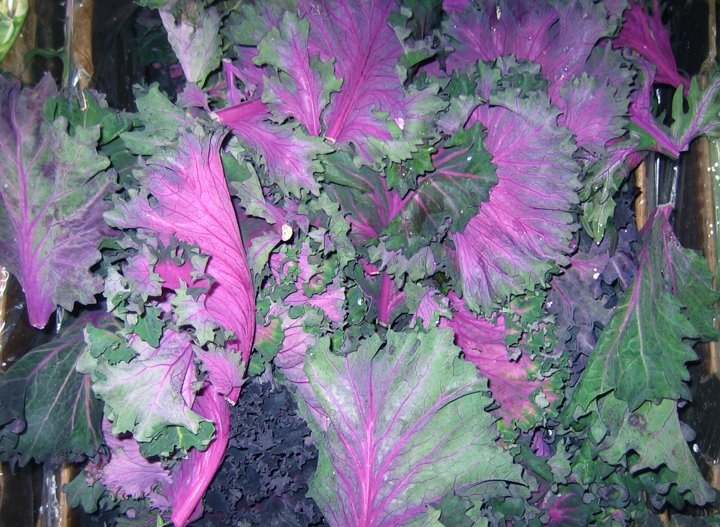
  • Sweet onions (Chue’s)red kale
  • Garlic (Chue’s)
  • Enoki mushrooms (Far West Fungi)
  • Dried porcini mushrooms (Far West Fungi)
  • Pan epi loaf (Acme Bread)
  • Bella Donovan (Blue Bottle Coffee)

Is it spring in your city yet?

Tags: , ,

10 Common Groceries I Never Buy

by | Mar 7, 2009

In general I would say I eat pretty normal food. Admittedly the fruits and vegetables I buy are extraordinary (thank you San Francisco), but they are still just plants that grow out of the dirt in California. I realized recently that what is truly unusual about my diet are the groceries I do not buy.

10 Groceries I Never Buy

(and why I think there are better things to spend my money on)

  1. Sliced bread. Sure my grandparents think it is the greatest invention of all time (literally), but I would argue that the fluffy loaves that come in plastic bags at the market can barely be considered food. Don’t believe me? Check the ingredients list. If you don’t fall asleep by the time you get to the bottom, try pronouncing some of those words in the middle. Exthoxylated…wuh?
  2. Fruit yogurts. It is generally accepted without question that yogurt is good for you. That may be the case for old-fashioned plain yogurt (though I am still not convinced), but I guarantee you those sugary yogurts that take up the bulk of the dairy case do not qualify as health food. 15 grams of sugar is my cut off before a food transitions to dessert. Look before you eat.
  3. Iceberg or romaine lettuce. Besides being colorless and flavorless, these boring greens add little (zero?) nutrition to your life. Instead I buy the colorful, loose spring mixes that come in bags, boxes or bulk bins at the grocery store and farmers market. If you prefer to stick with one kind of salad green at a time, try green or red leafed lettuce. Mix it up occasionally with cabbage or radicchio.
  4. Corn-fed beef. As I have explained before, I love beef (even though I don’t eat much of it). When I decide it is worth the indulgence, I go straight for the gourmet grass-fed kind. Why? Cows were never meant to eat corn (industrial cows have been bred to do it), and those that do are sicker and less nutritious than cows that are pastured. Moreover, the factories that process this sub-par beef are likely to be huge, unsanitary and foster E. Coli outbreaks. Thanks, but I’ll pass.
  5. Soda. There was a time in my life when I drank quarts of Diet Coke a day. But since I started focusing on my health I gave it up and never looked back. Even natural sodas add very little to your quality of life. And if they contain full sugar, your life may even be shortened. When I’m thirsty I drink water.
  6. Pancake or brownie mixes. I am not immune from the occasional pancake or brownie craving (and sometimes my friends demand these of me!). So if it is a special occasion, why bother with the boxed stuff? Both these goodies are easy to make from scratch and worth a little extra time in the kitchen to make them spectacular! Isn’t that what indulgence is all about?
  7. Winter tomatoes. Need I say more? There is no room in my life (usually) for an inadequate tomato. Canned tomatoes are a better option during the spring and winter.
  8. Juice. Even 100% fresh squeezed juice is dangerous for your blood sugar and insulin levels (not to mention your BMI). If I decide to try some, I consume less than 8 oz. You can probably guess what I think about the phony 10% juice products from concentrate (see point #5).
  9. Deli meats. On the surface these purportedly lean meats seem to be healthy. But under the surface they are packed with salts, sugars and nitrates. For a quick protein fix, try canned salmon (boneless, skinless), sardines or lox.
  10. Cheese that comes in plastic. Similar to beef, I indulge in cheese so infrequently that I prefer to go straight to Cowgirl Creamery for the good stuff! My recent favorite is called Midnight Moon.
  • What popular items don’t you buy?
  • Have any questions about other common items in your shopping cart?
Tags: , , , , , , , , , , , , , ,

How To Eat Healthy Without Whole Foods

by | Mar 4, 2009

junk foodBy this point you can probably guess that I do the bulk of my grocery shopping at the San Francisco Ferry Plaza Farmers Market and at Whole Foods (with the occasional trip to Trader Joe’s). But not everyone is blessed with year-round farm stands and high-end grocery chains in their cities. So how are you supposed to take my advice when you don’t have access to the same resources?

What Would Darya Eat?

I will admit I am not a seasoned grocery shopper when faced with either a real winter or non-city suburbia, but I can guarantee you that I would find a way to eat healthy despite these obstacles. Here is how I would approach these difficult situations:

Use Google to find a health food store.
Most towns have at least one small health food store, and these can be a lifesaver (literally) if you are trying to maintain a healthy diet. Finding one can be tricky, but you can do it if you know what to search.

Unfortunately, the idea that fresh, whole foods are the best way to promote health and fight disease is still something of a radical concept associated with hippies, liberals and elitists (run!!). For the most part, people still do not take the idea of healthy food seriously. Thus, a Google search for “health” will usually bring you links to medical sites or shady pills and powder supplements. And “health food” will get you a mixture of vitamin shops and useful grocery stores.

To get what you need, I recommend searching “organic groceries” followed by your city, then state.

In the following example I searched for “organic groceries Newport Beach, CA”. Several entries come up, but the most useful are Google’s local business results or the local.yahoo.com link.

organic groceries search
Stores that come up in these searches usually have an excellent selection of healthy shelf items such as grains, beans, cereals and canned goods. The best deals are usually in the bulk bins (check near the back or side of the store).

These places will often have a small selection of organic produce.

Find a local produce market. Like the health food stores, produce markets that primarily sell fresh fruits and vegetables are not big fancy operations that are easy to find. Instead they are usually small, family-run shops that cater to a loyal clientele. Frequently these shoppers are hunting for specific products used in, for example, Asian or Latin American cuisines.

The fruits and vegetables you find in stores like this are often imported and inexpensive, which is a mixed blessing. Clearly imported produce is not ideal if you are interested in buying local, organic foods. However, in many cities fresh fruits and vegetables are almost nonexistent during the winter, and these specialty stores can be a fantastic alternative. They are certainly better than nothing (or Costco).

Another bonus of these markets is that they can be great sources for hard to find ingredients like fresh galangal (Thai ginger) or kefir lime leaves.

To find these stores in your neighborhood type “produce” into Google followed by your city and state. Again look for Google’s local business listings.

It is worth noting that these stores can vary quite a bit in quality and cleanliness, so it is a good idea to stop by several different shops until you find the one that best meets your needs.

Read local blogs. I am admittedly a little biased on this topic, but blogs can be a fantastic source for local news on food, eating and gardening, all of which will give you clues about what local food is available during the current season. You can use Google’s Blogsearch tool and type in what you are looking for (e.g. “winter vegetables”) along with your city and state to find what is buzzing near you.

Buy frozen vegetables. I do not particularly like recommending frozen vegetables because in my opinion they do not taste as good as fresh ones, and I believe enjoying your food is a critical part of establishing healthy eating patterns. But despite their texture, frozen vegetables actually retain most of their nutrients and can be an excellent healthy option during the cold months. When I do buy frozen goods, I stick to the hearty fare like beans, peas, corn and bell peppers, but if you do not mind the texture of some of the leafy greens, they are perfectly healthy. Frozen berries also hold up pretty well.

Be creative. Winter is one of the best times of the year to go pantry diving and finally do something with that bulgur or those red lentils. Be creative!

Cans of diced tomatoes, anchovies, capers and olives can easily be turned into a puttanesca sauce. Winter squash is great for bean stews. Have fun with what you have and winter will be over before you know it.

Conclusions

This list is meant to be a jumping off point for people to explore healthy eating in challenging circumstances and is an example of the kind of thinking I would use if faced with a similar situation.

Effectively using Google’s search tools to find vendors in your local area can make it much easier to stick to your healthy diet, even without warm weather or a big city. Getting involved in your local food scene is another way to discover healthy opportunities anywhere.

I am certain there are many more effective ways to stay healthy without a Whole Foods.

For those of you who actually live in places where fresh vegetables can be hard to find, I would love to hear your strategies for healthy eating all year long! Let’s brainstorm!

Tags: , , , , , , , , , , , ,

Farmers Market Update: Irvine

by | Mar 1, 2009

Avocados and Clementines

avocados and clementines

You may have guessed from the title that I am in Southern California, not San Francisco this weekend. Yesterday I found myself at the Irvine Farmers Market (near UC Irvine), and it was really awesome. You Orange County readers out there should definitely check this place out if you haven’t yet.

For me, the strangest thing about this excursion was the seasons down here are so different than they are where I live. I haven’t seen berries, summer squash or eggplants in San Francisco for months. But the sweet aroma of ripe strawberries filled the air here in Irvine. I guess it makes sense, since in this neighborhood summer lasts 11 months of the year (Did I mention it was 87 degrees?). Honestly, the warm air and change of scenery was welcome.

baby Indian eggplant
Despite these oddities, the normal winter fare was abundant as well. Citrus is thriving, as you might expect in Orange County. There were also plenty of the standard winter greens and squash. Multiple vendors sold specialty eggs, meats and cheeses. And there was no lack of exotic Asian ingredients, which I appreciate.

daikon and Taiwan celery
There were only two things that annoyed me about this market. First, the hours are not nearly long enough, 8am-12pm. I think it would be better for shopper and vendor alike if they stayed open until 2pm. Also, parking was a real pain. Combat both of these problems by going early.

cactus
Since I am on vacation I do not have a list of purchases from this trip, but I do have plenty of pictures.

Have you ever been to the Irvine Farmers Market? Any tips or suggestions?

Tags: , , , , , ,